Where to Stay in Lima: A Neighborhood-by-Neighborhood Guide
Miraflores, Barranco, San Isidro or Centro? Where to base yourself in Lima, with honest trade-offs on safety, nightlife, traffic and the food.
Most people treat Lima as a layover on the way to Cusco: land, sleep, fly out at dawn. That is the wrong call. This is the city where Maido was named the world's best restaurant in 2025, where ceviche is a lunchtime ritual with rules, and where the district you sleep in decides whether your night ends at a Barranco pisco bar or in an hour of taxi traffic. The Nikkei story alone, Japanese technique folded into Peruvian ingredients over a century of immigration, would justify the stop. Here is the stay I would book, arranged around the way the food map actually lines up.
The short answer, for anyone deciding before the tasting-menu reservations open: the best area to stay in Lima is Miraflores for a first visit, Barranco if food, murals and bars matter more than hotel choice, San Isidro for quiet upscale calm, and Centro Histórico only if sightseeing density on a short trip outweighs sleeping near the coast.
| Area | Best for | Typical price per night | Named pick |
|---|---|---|---|
| Miraflores | First-timers, clifftop parks, easiest logistics | Mid to high | Casa Andina Premium (value), Miraflores Park, A Belmond Hotel (splurge), Pariwana Hostel (budget) |
| Barranco | Food, art and the best bar scene | Mid to high; thin stock, book early | Hotel B |
| San Isidro | Quiet, leafy, upscale stays | High | Hotels lean upscale; base near El Olivar park |
| Centro Histórico | Maximum sightseeing density | Budget to mid | Most should visit by day and sleep elsewhere |
How Lima actually lays out
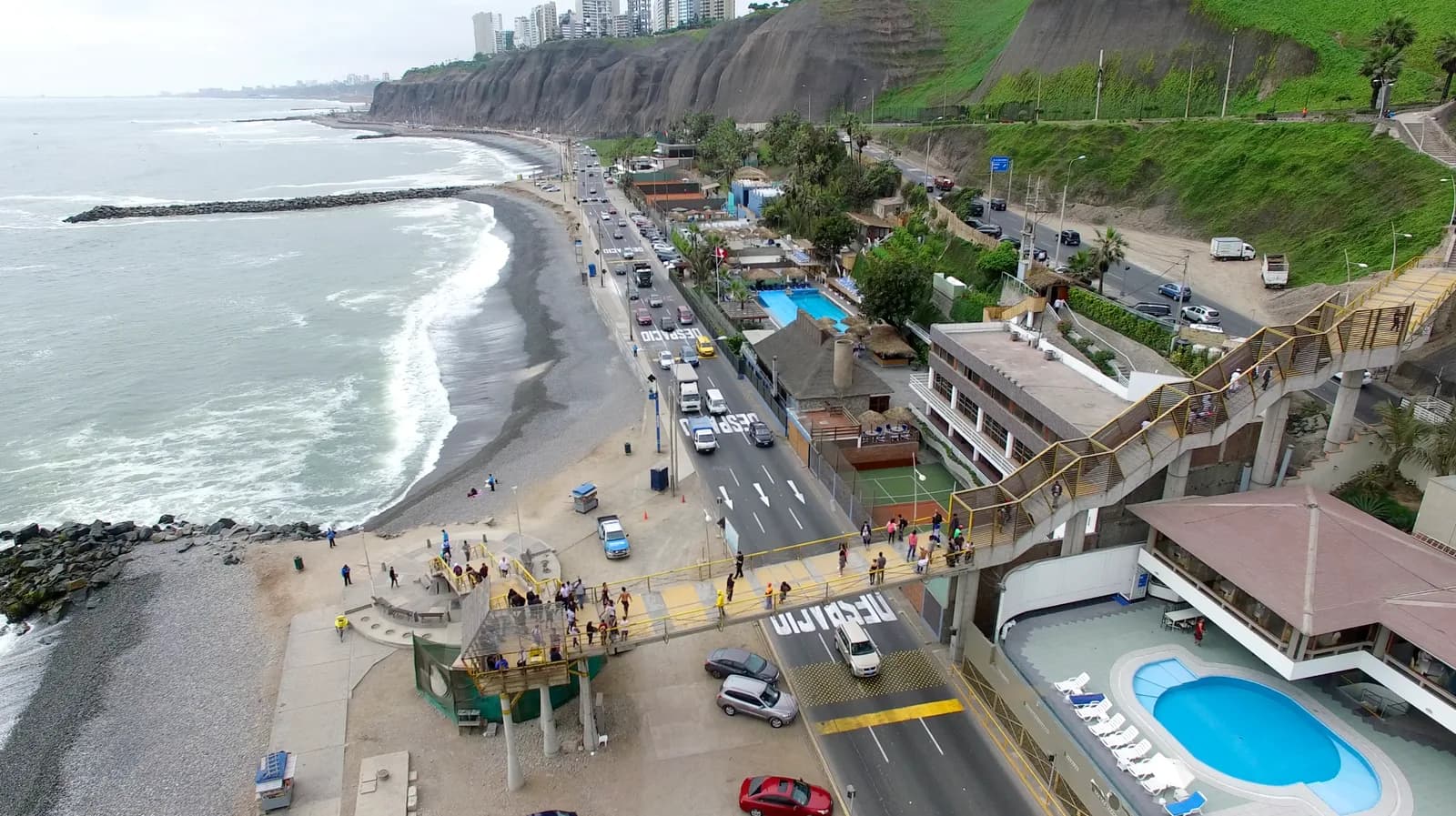
Lima is a city of ten million, but visitor Lima is a narrow strip of clifftop districts strung along the Costa Verde, the green coastal bluff south of the center. From north to south: San Isidro, the leafy business district; Miraflores, the tourist heart with its malecón parks hanging over the Pacific; then Barranco, the small bohemian quarter of murals and restored mansions. Centro Histórico, with the Plaza Mayor and the colonial core, sits inland to the north, 30 to 45 minutes away in traffic.
That last phrase matters, because traffic is the complaint that shows up in nearly every recent report. Lima has no tourist-friendly metro loop; the Metropolitano busway is useful on the Barranco-to-center axis, but most travelers move by Uber, Cabify or DiDi, which are cheap and everywhere. The practical upshot: pick a base on the coastal strip, walk or bike the roughly 10 km malecón path between Miraflores and Barranco, and treat anything inland as a planned outing rather than a casual stroll. Get that one decision right and Lima runs smoothly.
The things to do worth planning around
Lima's headline acts split neatly between the cliff edge and the old city, and three of them are worth locking in early.
Three things worth booking
 For the food-obsessed
Lima food tour, ceviche and markets
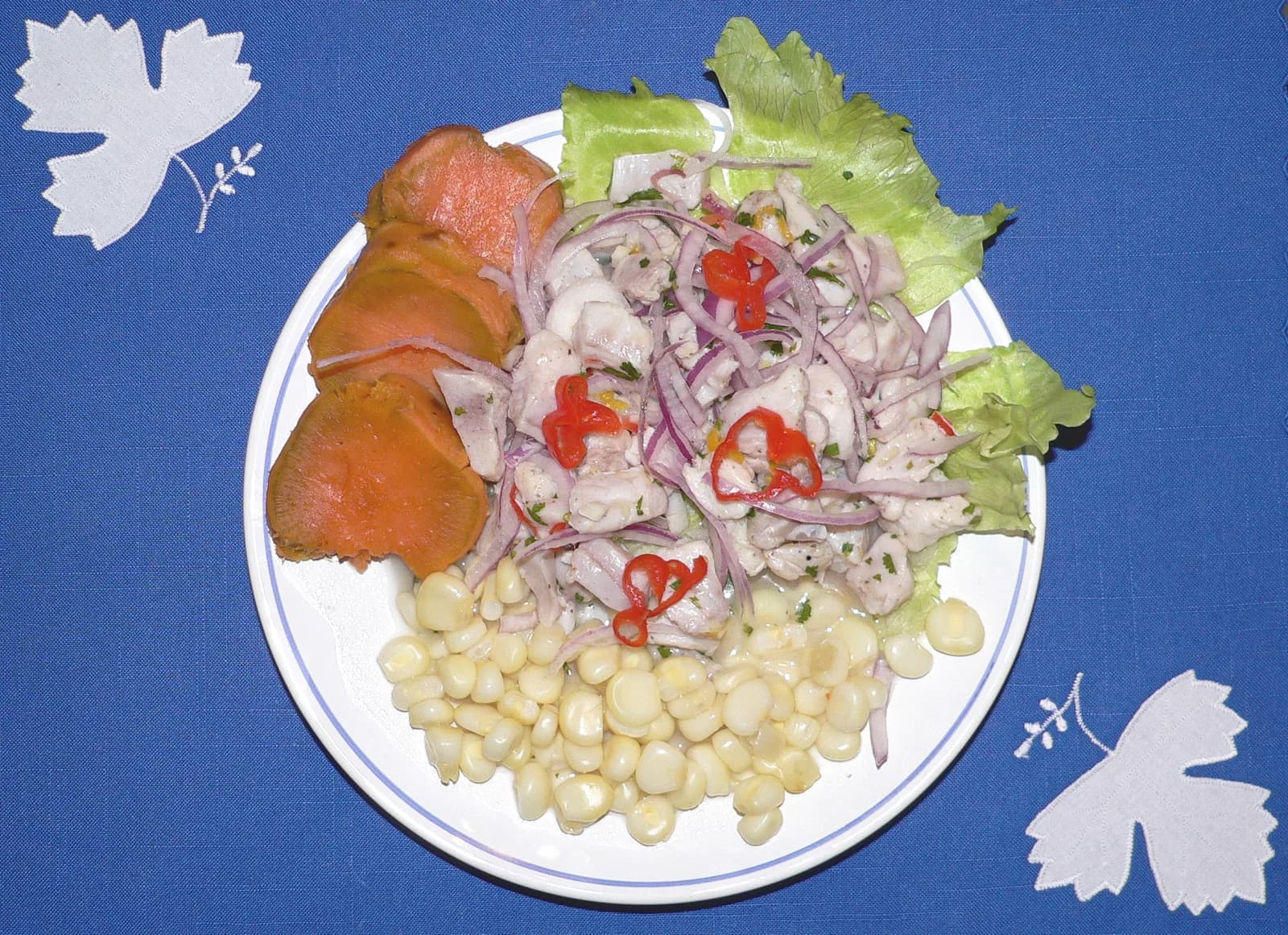
A guided first-day crawl through the cevicherías and market stalls teaches you the rules, ceviche at lunch, leche de tigre as a chaser, so you can spend the rest of the trip ordering like you mean it.
Book this Traveler favourite
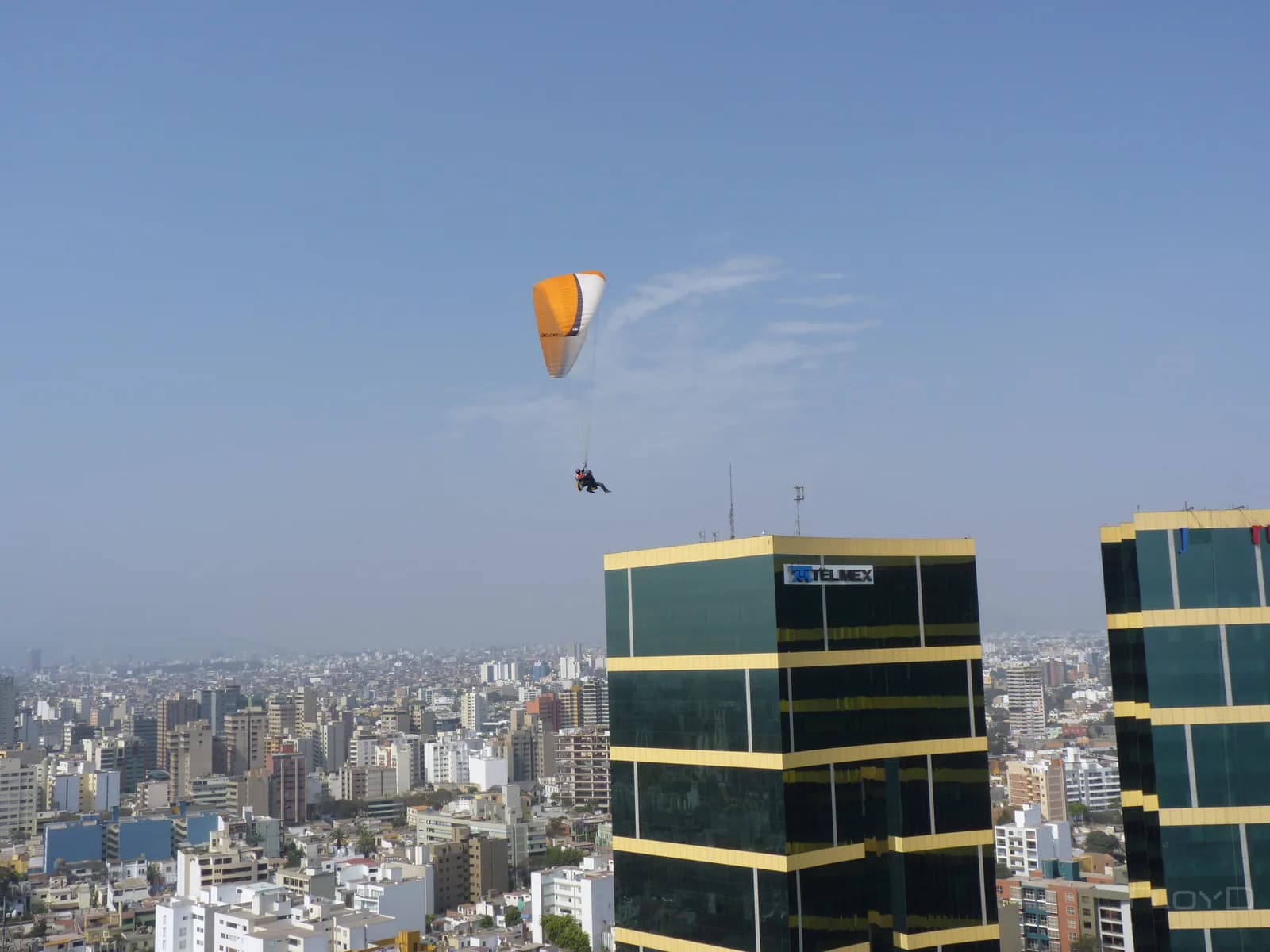
Paragliding the Costa Verde cliffs
Tandem flights launch from the Raimondi clifftop site in Miraflores and glide past Parque del Amor with the whole coastline below. Wind decides the schedule, so book early in your stay and keep a backup slot.
Book this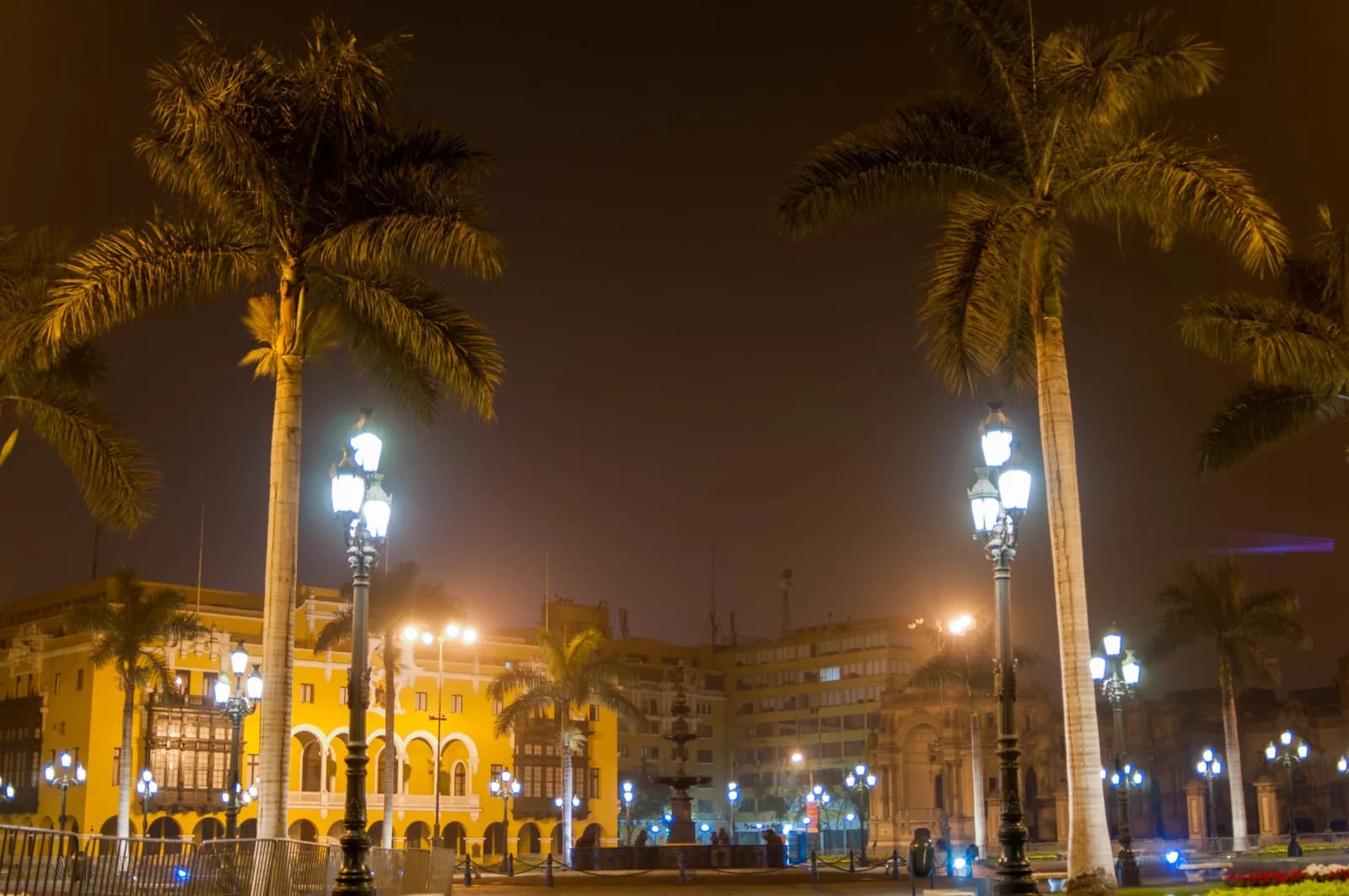 Best first-day primer
Centro Histórico and Larco Museum tour
Pairs the colonial core around the Plaza Mayor with the Larco's five millennia of pre-Columbian gold and ceramics, and solves the transport question for the two big inland sights in one go.
Book thisThe Larco Museum in Pueblo Libre is the one thing almost nobody regrets. Its chronological galleries walk through 5,000 years of pre-Columbian Peru, Moche portrait ceramics, Chimú gold, Nazca vessels, and recent visitors consistently rate it the best museum experience in the country. It sits inland, so most people pair it with Centro Histórico on a combined city and museum tour, or make it a long taxi-linked half day. The garden café is a legitimate lunch plan in its own right.
Barranco asks for nothing more organized than an afternoon on foot. The route travelers keep describing runs from the main plaza down past the Puente de los Suspiros, the wooden Bridge of Sighs, along the Bajada de los Baños toward the sea, with murals, small galleries and restored mansions the whole way. Go late afternoon and stay for the bars. The one caution recent reports repeat: the side streets thin out at night, so rideshare between far-apart venues rather than wandering.

Then there is the cliff itself. Tandem paragliding launches from the Raimondi site on the Miraflores clifftop and floats you along the coastline past the parks and towers, one of the few big-city flights anywhere that takes off from inside the city. Flights are short and wind-dependent, so book it for early in your stay so a grey, still day does not cancel your only chance.
With an extra day, two outings head the list. Pachacámac, about 47 km southeast, was a pilgrimage center for a succession of cultures from the Wari to the Ychma, with a site museum holding over 6,500 artifacts; half-day tours handle the awkward transport. And out in Callao, boat trips run to the Palomino Islands to swim near a very large, very loud sea lion colony, while the Callao Monumental art district nearby is best visited with a guide, since the surrounding port area has a rough reputation in recent reports.
What you are really here to eat
Let us be honest about why Lima outranks nearly every city on earth for a food traveler right now. In June 2025, Maido, chef Mitsuharu "Micha" Tsumura's Nikkei tasting room in Miraflores, was named number one on the World's 50 Best Restaurants list. Central, Virgilio Martínez's ecosystem-by-altitude tasting menu in Barranco, held the same title in 2023, and Kjolle, Pía León's restaurant in the same building, sits high on the list too. No other city currently holds that concentration. The catch is logistics: both flagships release tables on their own websites and sell out two to three months ahead, so book before you book flights. As someone raised between a Japanese kitchen and a New Zealand one, Maido's version of fusion, a century of Japanese-Peruvian immigration on a plate, is the single reservation I would fight for.
The daily eating is arguably the better story. Ceviche in Lima is a lunch dish, full stop; the classic cevicherías open at midday and wind down by late afternoon when the morning's catch is gone. La Mar, Gastón Acurio's lunch-only cevichería in Miraflores, still makes the Latin America's 50 Best list and takes no dinner service at all. Al Toke Pez in Surquillo is the opposite pole and travelers adore it: a roughly 12-seat counter where a ceviche and the famous chicharrón de pescado run about 8 to 12 US dollars. Canta Rana in Barranco splits the difference, an old tiled room papered in football memorabilia that has fed half the celebrities to pass through Lima. A first-day guided food tour through the stalls of Surquillo's Mercado No. 1 is the fastest way to learn the map.
After dark the city switches to anticuchos, skewers of beef heart over charcoal, and the name that keeps surfacing in recent food writing is Doña Pochita in Lince, grilling since 1978. Add a proper pisco sour somewhere along the way, Barranco's bars treat it as a point of pride, and you have the shape of a Lima evening. The same immigrant layering that produced Nikkei runs right through the everyday food too: chifa, the Cantonese-Peruvian canon, and lomo saltado, a stir-fry that wandered into criollo cooking, are ordinary weekday lunches here rather than novelties. Build your base around this rhythm: ceviche neighborhoods at lunch, Barranco or Miraflores at night.
Where to stay in Lima, neighborhood by neighborhood
Here is the honest menu, ordered from easiest-for-first-timers to most-specialized, with the trade-offs recent travelers keep flagging.
Three places to book in Lima
SplurgeMiraflores Park, A Belmond Hotel
The luxury pick recent guests keep naming: every room a suite, a rooftop pool over the Pacific and breakfast with a sea view on the 11th floor, steps from the malecón and Larcomar.
Check availability Best value
Casa Andina Premium Miraflores
A 148-room Peruvian-chain tower praised in recent reviews for cleanliness, breakfast and location in the middle of Miraflores. Some rooms read dated, but the price-to-position ratio is hard to beat.
Check availability Social budget
Pariwana Hostel Lima
The backpacker standby: clean dorms, a rooftop breakfast, daily events and a helpful tour desk in central Miraflores. It is openly a party hostel, so light sleepers should look elsewhere.
Check availabilityMiraflores is the default, and the case for it is strong. Stay here if it is your first time and you want the clifftop parks, the biggest choice of hotels and restaurants, and the strongest security presence in the city on your doorstep. The malecón running above the Pacific is the best free thing in Lima, Maido and La Mar are in the neighborhood, Parque Kennedy and its famous resident cats anchor the center, and the Larcomar mall is built straight into the cliff face with the ocean below its terraces. Airport transport is also at its simplest from here. The trade-off is character: this is the most touristed, most international district, and travelers who want Lima to feel like Lima often end each day wishing they were one district south.
Barranco is where I would book, and I say that knowing it is the less practical choice. Stay here if murals, galleries, peñas and the best bar scene in the city matter more to you than hotel selection. It is small, walkable and slower than Miraflores, with Central and Kjolle inside its boundaries and the Bridge of Sighs at its heart. The hotel stock is thin and skews boutique, with the restored 1914 mansion Hotel B as the art-filled flagship, so book earlier. At night, stick to the main drags or rideshare between venues.
San Isidro is the quiet professional. Stay here if you want leafy streets, business-district calm and what recent reports call one of the safest municipalities in Peru. The El Olivar park, an old olive grove threaded through the middle of the district, is the image of the place: green, calm and slightly sealed-off. The hotels lean upscale and the nights are early, which suits couples and work trips and bores nightlife-seekers. You will taxi to most sights, but you will also sleep well, and Miraflores is only a short ride south when hunger calls.
Centro Histórico is the conditional one. The colonial core around the Plaza Mayor holds the densest concentration of sights in Lima, but recent travelers are consistent: visit by day, and for most people, sleep elsewhere. Pickpocketing and snatch-theft risks rise after dark, especially at the district's edges. Stay here only if you want maximum sightseeing density on a short trip, keep to busy routes like Jirón de la Unión at night, and accept a 30-45 minute ride to the coastal food scene.
| Zone | Best for | Vibe | Price tier | Watch out for |
|---|---|---|---|---|
| Miraflores | First-timers | Clifftop parks, polished, touristy | Mid to high | Least "local" feel |
| Barranco | Food, art and nightlife | Bohemian, walkable, small | Mid to high | Thin hotel stock, quiet side streets at night |
| San Isidro | Quiet upscale stays | Leafy, corporate calm | High | Early nights, taxis to sights |
| Centro Histórico | Sightseeing density | Colonial, busy by day | Budget to mid | Safety after dark, far from the coast |
If you want one recommendation to stop the scrolling: first trip, three nights, book Miraflores within a few blocks of the malecón and spend your evenings in Barranco. If you already know you care more about murals and pisco bars than hotel gyms, flip it and stay in Barranco, and let Miraflores be your daytime errand.
Getting there and getting around
Arrivals changed completely in June 2025, when the new Jorge Chávez terminal opened in Callao, a building roughly three times the size of the old one. It sits about 17 km from Miraflores, and the ride is the classic Lima traffic lottery: 45 to 75 minutes depending on the hour. Official taxi desks inside the terminal charge about S/60-95 to Miraflores, ride apps (Uber, Cabify, DiDi) often come in around S/40-70 off-peak from a designated pickup zone, and the Airport Express bus runs to central stops from about S/15. The one rule every recent report repeats: do not hail an unofficial taxi at the curb, since overcharging and worse are the standard traps. If you are still comparing flights, it is worth checking routes into Lima across the year, because garúa-season fares dip noticeably.
Once you are in, the apps do the work. Rides between Miraflores and Barranco cost pocket change, the Metropolitano busway covers the run to the center if you want to skip traffic, and the malecón path handles the coastal strip on foot or by rental bike.
A simple three-day base plan
Day one, go inland while you are fresh: Centro Histórico in the morning for the Plaza Mayor and the colonial core, the Larco Museum after lunch, then back to the coast for an early evening on the malecón. Day two is the cliff and the food: paragliding or a long malecón walk in the morning, ceviche lunch at a cevichería while they are still serving, then Barranco's galleries, bridge and bars until late. Day three is your choose-your-own: Pachacámac or the Palomino Islands sea lions if you want an outing, or start a two-day Lunahuaná adventure escape south down the coast, or Surquillo market, anticuchos and that tasting-menu reservation if you came to eat. Because you slept on the coastal strip, only day one involves real traffic, and that is the whole argument for staying seaside in one line.
When to go
Lima's calendar is a two-season story. Late December through April is summer: 24 to 29C, blue skies, the malecón at full postcard strength. June through October is garúa season, when a marine mist parks over the city and everything turns soft grey at 15 to 21C. Here is the useful nuance from recent travelers: it almost never truly rains (Lima records under an inch a year), and the food, museums and prices are all better-value in winter. Come December to April for the coastline; come in the grey months if you are here to eat, and pack a light jacket instead of an umbrella.
Practical notes I would tell a friend
- Book Central or Maido on their websites two to three months before your trip, then plan the rest around the date you get.
- Eat ceviche at lunch; the classic cevicherías are winding down by late afternoon and the best ones sell out of fish.
- Use Uber, Cabify or DiDi everywhere and never flag a taxi on the street, at the airport or otherwise.
- Sort an eSIM before you fly, since app pickups at the new terminal require data on arrival.
- Keep your phone away from the curb side of the footpath, the one snatch-theft pattern travelers keep reporting.
- Book paragliding for early in your stay so a windless day can be rescheduled instead of missed.
- Carry small soles notes for market stalls and anticucho carts, which rarely take cards.
- In garúa season, skip the umbrella and bring layers; the mist is cold air, not rain.
Lima's food map moves quickly, and the restaurant rankings that drive it move with it. If you have been more recently and something here has shifted, tell me and I will update it. But if you are booking now: sleep on the coastal strip, lock in the tasting menu before the flight, and give ceviche the lunchtime respect it demands. That is the trip this city is best at.
Frequently asked
Which area of Lima is best for first-time visitors?
Miraflores. It has the deepest bench of hotels and restaurants, the clifftop malecón parks, the most straightforward airport transport and the strongest security presence in the city. The trade-off is that it is the most touristed and least surprising district, which is why many visitors split their evenings with Barranco next door.
Is Lima safe for tourists?
Miraflores, San Isidro and Barranco are patrolled, walkable and comfortable by day and early evening, and recent traveler reports consistently call them the safest bases. The standard precautions still apply: use Uber, Cabify or DiDi instead of hailing street taxis, keep phones away from the street edge, and treat Centro Histórico as a daytime visit rather than a base.
How many days do you need in Lima?
Two to three full days. One for Centro Histórico and the Larco Museum, one for the Miraflores malecón and Barranco, and one for a Pachacámac day trip or a deeper run at the food. Travelers who come mainly to eat regularly stretch it to four and do not regret it.
When is the best time to visit Lima?
Late December through April for sun, warm temperatures around 24 to 29C and clear coastal views. June through October brings the garúa, a persistent grey marine mist with cooler 15 to 21C days. It almost never actually rains, and the restaurants and museums are just as good under grey skies, with fewer crowds and lower prices.
How do I get from Lima airport to Miraflores?
Since June 2025 all flights use the new Jorge Chávez terminal in Callao, about 17 km from Miraflores. Official taxi desks charge roughly S/60-95, ride apps often run S/40-70 off-peak from a designated pickup zone, and the Airport Express bus starts around S/15. Allow 45 to 75 minutes depending on traffic, and never hail an unofficial taxi at the curb.
Do I need to book Central or Maido in advance?
Yes, well in advance. Both open reservations on their own websites and the tasting-menu slots go two to three months out, with Maido demand even higher since it was named the world's best restaurant in 2025. If you miss out, La Mar takes no dinner bookings because it is lunch-only, and walk-in cevicherías like Al Toke Pez and Canta Rana are the consolation prize that outperforms most cities' headliners.