Miraflores or Barranco: Where Should You Actually Sleep in Lima?
Miraflores or Barranco? An honest 2026 comparison of Lima's coastal rivals: night safety, food, nightlife, hotel prices and the walk between them.
Every first Lima itinerary arrives at the same fork: Miraflores or Barranco. The two districts sit shoulder to shoulder on the Costa Verde clifftop, ten minutes apart by taxi, and they split the city's appeal almost perfectly between them. Miraflores has the malecón parks, the hotel towers, the paragliders and the security presence. Barranco has the murals, the pisco bars, the Bridge of Sighs and, since 2023, a world's-number-one restaurant. I went deep on the recent traveler reports for both while building the full Lima neighborhood guide, and the pattern is consistent enough to call. The short answer up front: Miraflores for a first, short visit; Barranco if bars and character outrank hotel selection; and either way, plan to live in both, because a new bridge has made that easier than ever.
One coastline, two personalities
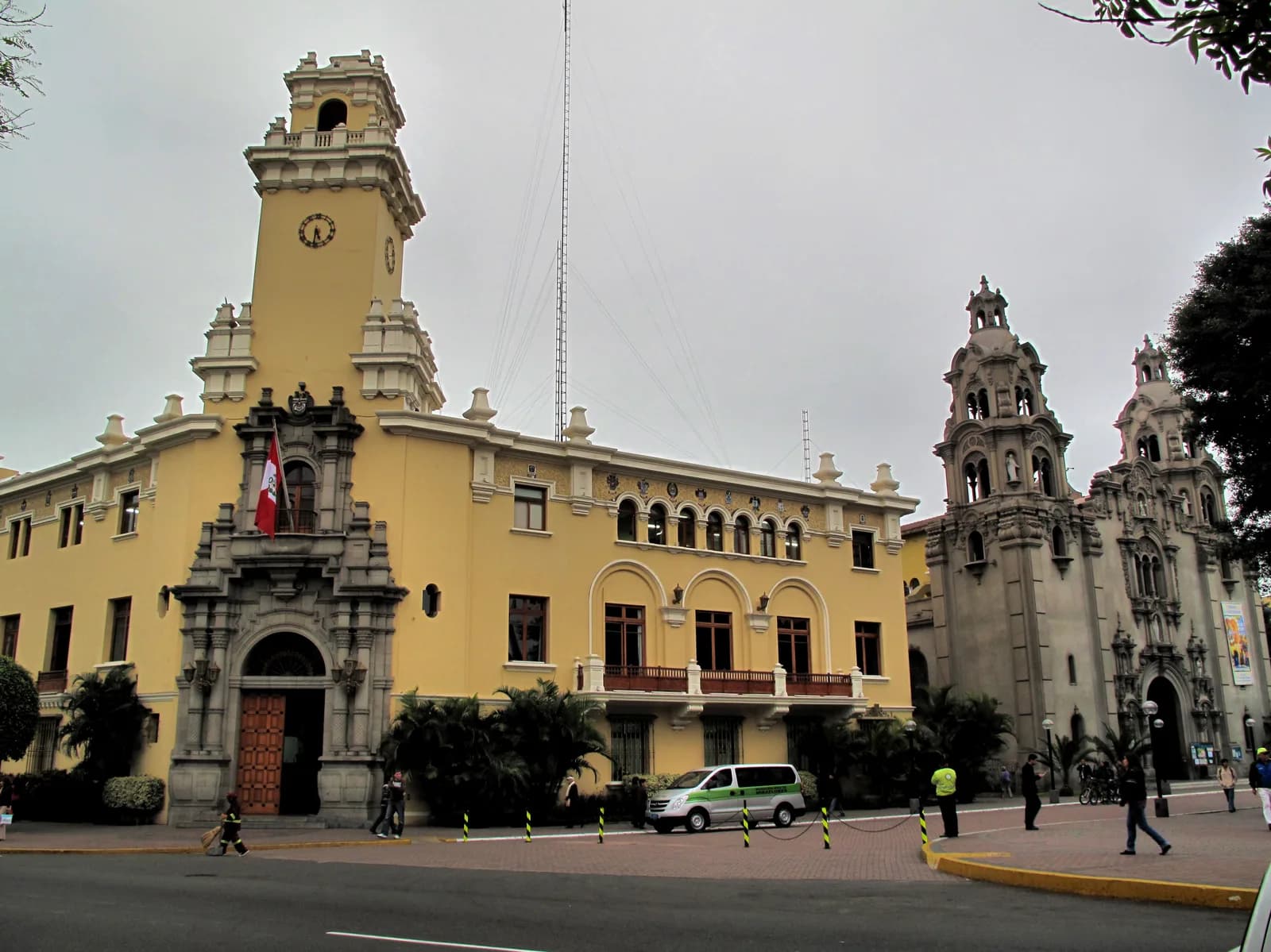
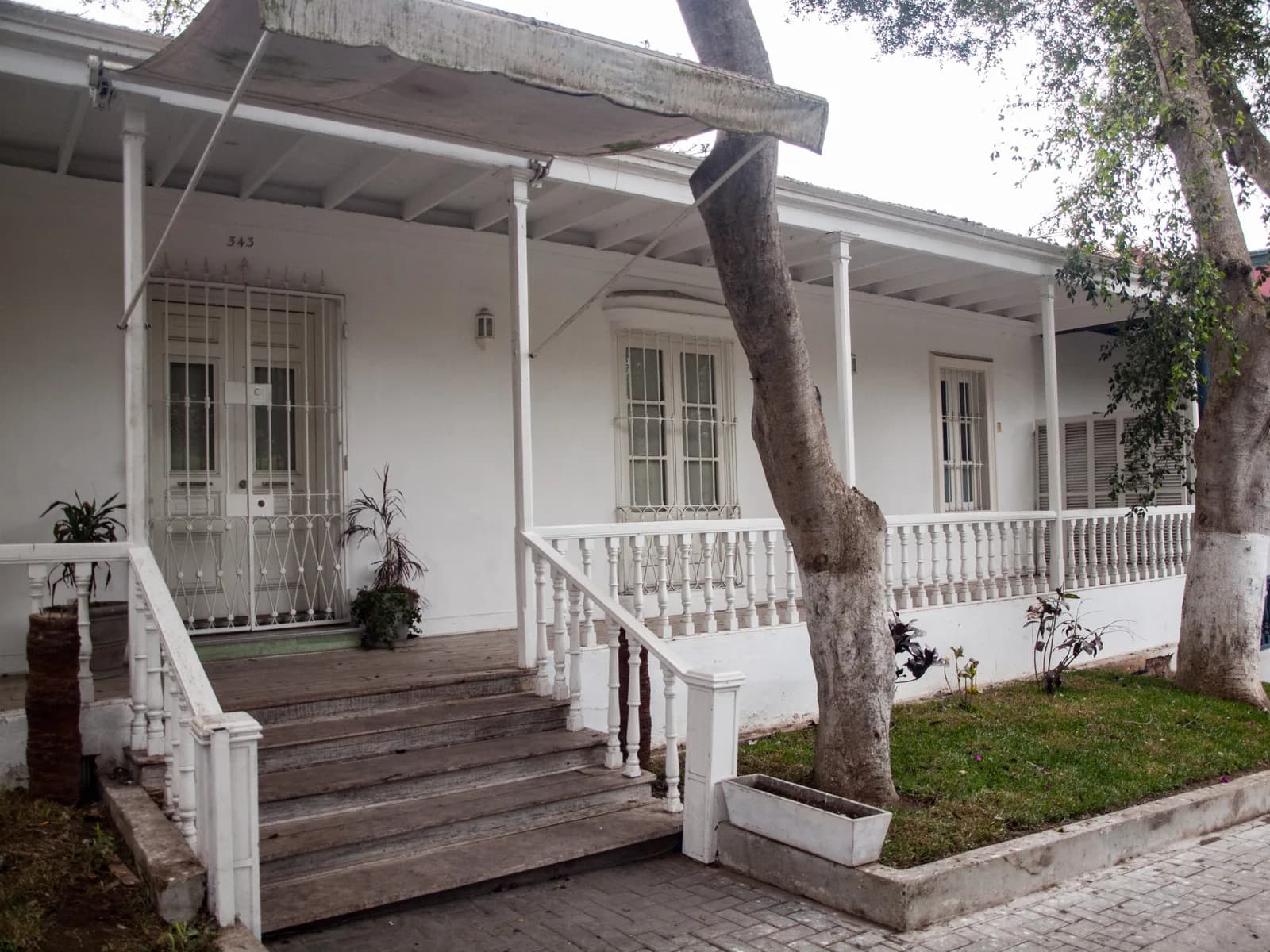
Visitor Lima is a narrow green strip of clifftop districts above the Pacific, and these two are its heart. Miraflores is the bigger, richer, more organized of the pair: a grid of hotel towers and restaurants wrapped around Parque Kennedy, with the malecón, a landscaped clifftop path, running its entire seafront. Barranco, directly south across the Armendáriz ravine, is a fraction of the size: a former seaside resort of 19th-century mansions, some restored into boutique hotels and galleries, some fading photogenically under murals.
The relationship between them changed in August 2025, when the Puente de la Paz opened: a 112-meter glass-sided pedestrian and cycle bridge linking Miraflores' Malecón de la Reserva with Barranco's Malecón Paul Harris, directly over the ravine that used to force walkers down to street level. The two malecóns now form one continuous clifftop route, and the full walk between the district centers takes 30 to 45 minutes with the ocean below the whole way. That bridge is quietly the most useful fact in this comparison: it turns the choice from either-or into a question of which end of the same walk you sleep on. San Isidro and Centro, the other two bases covered in the Lima guide, sit north of this axis entirely.
The case for Miraflores
Miraflores is the default for good reasons, and the depth of infrastructure is the first. It holds the largest hotel inventory in Lima across every tier, from the Belmond on the clifftop to backpacker dorms near Parque Kennedy, which means late bookings and price hunting both work here in a way they simply do not in Barranco. Recent reports also consistently rank it the most heavily patrolled district in the city, with serenazgo officers and uniform lighting across a wide area rather than a few corridors.
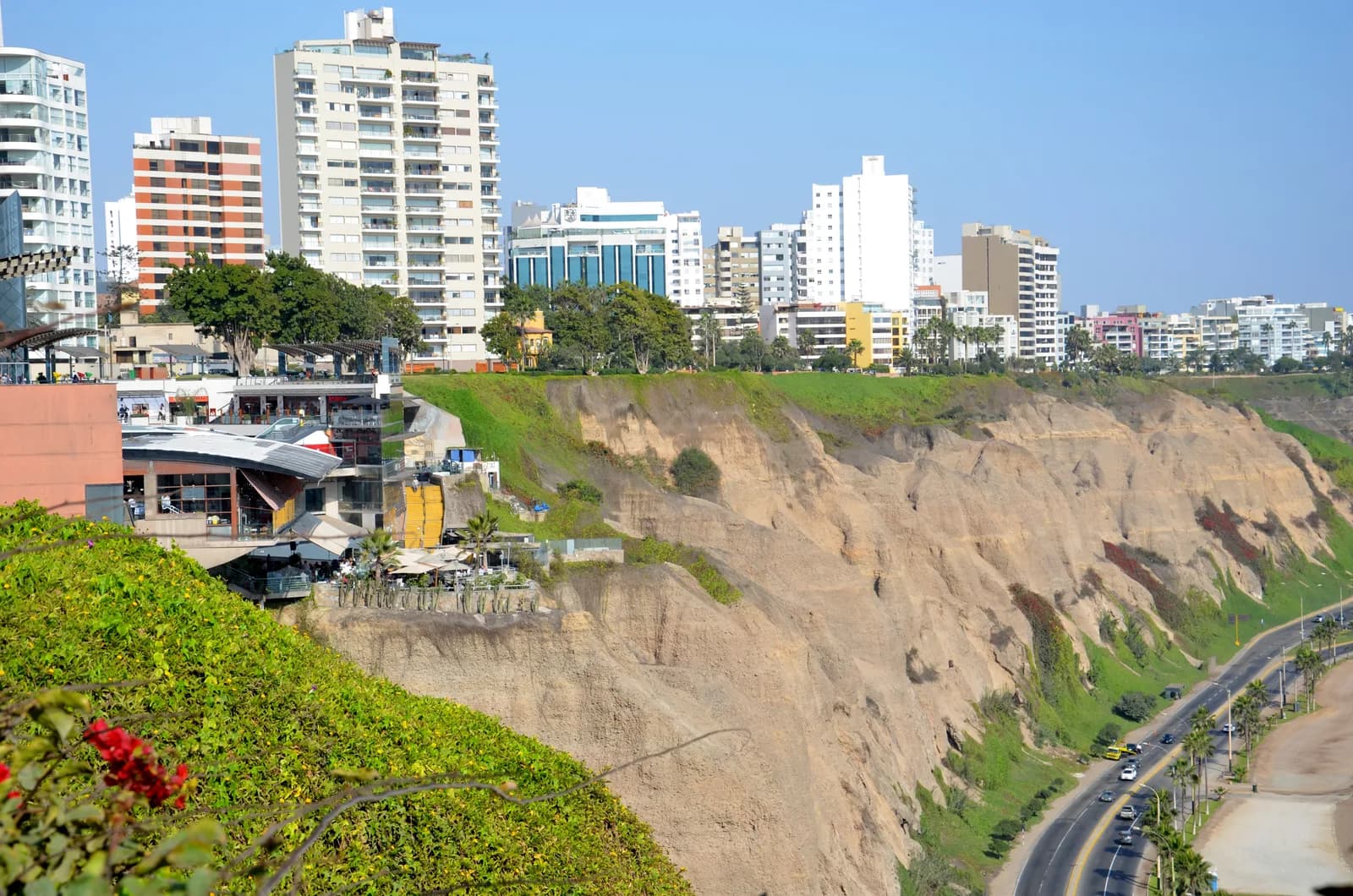
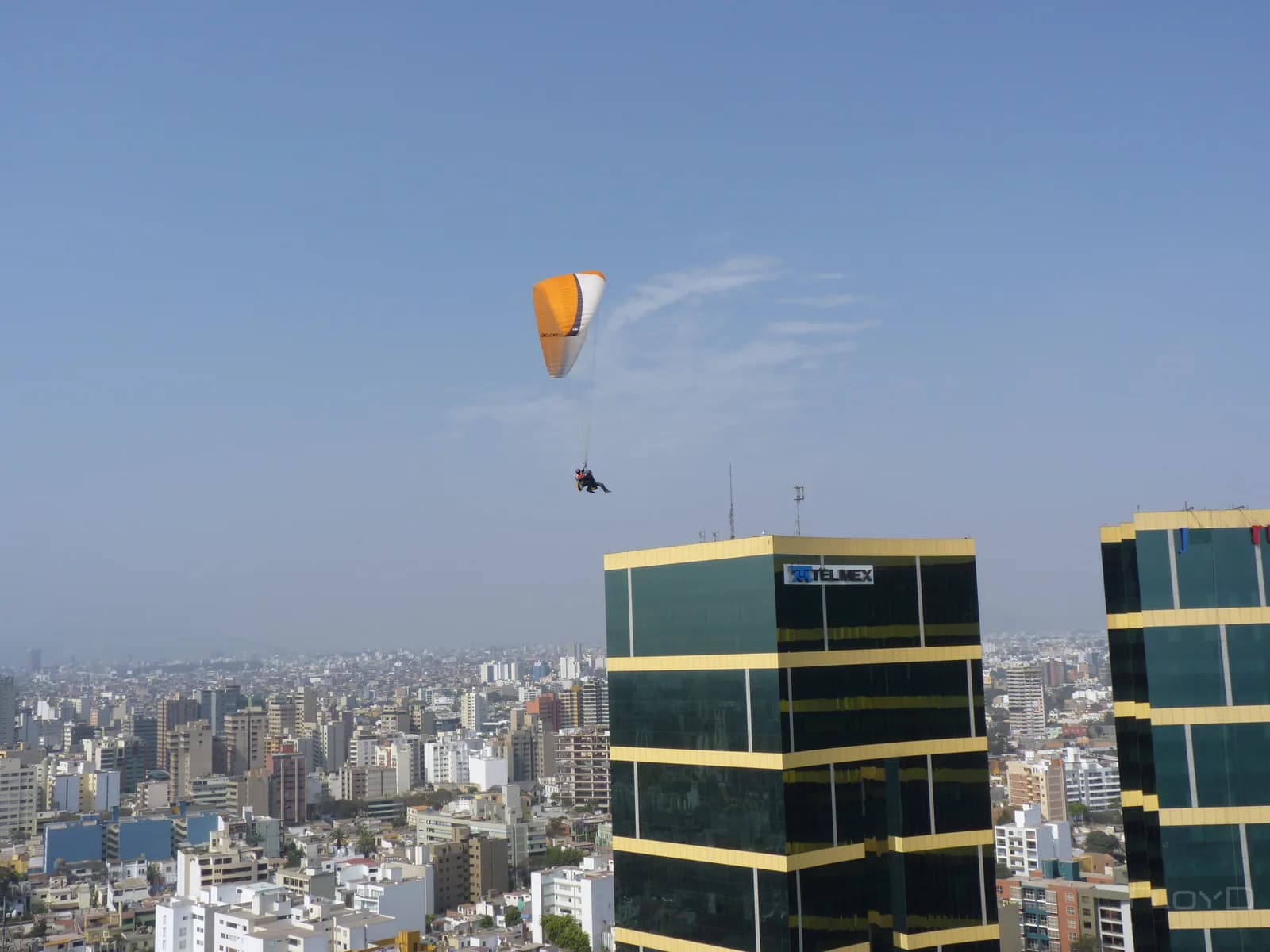
Then there is the cliff itself. The malecón is the best free thing in Lima: kilometres of parks, lighthouses and lookout points hanging over the Pacific, with Larcomar, the mall built into the cliff face, anchoring one end. Tandem paragliders launch from the Raimondi site right on the clifftop, flights running roughly $50-90 and gliding past Parque del Amor with the whole coastline below, one of the few big-city takeoffs anywhere. Add the food anchors, Maido and the lunch-only cevichería La Mar are both in the district, and the simplest airport logistics of any base, and the case makes itself. The honest cost is character: this is the most touristed, most international corner of Lima, and evenings here are quieter and more polished than the district's daytime energy suggests.
The case for Barranco
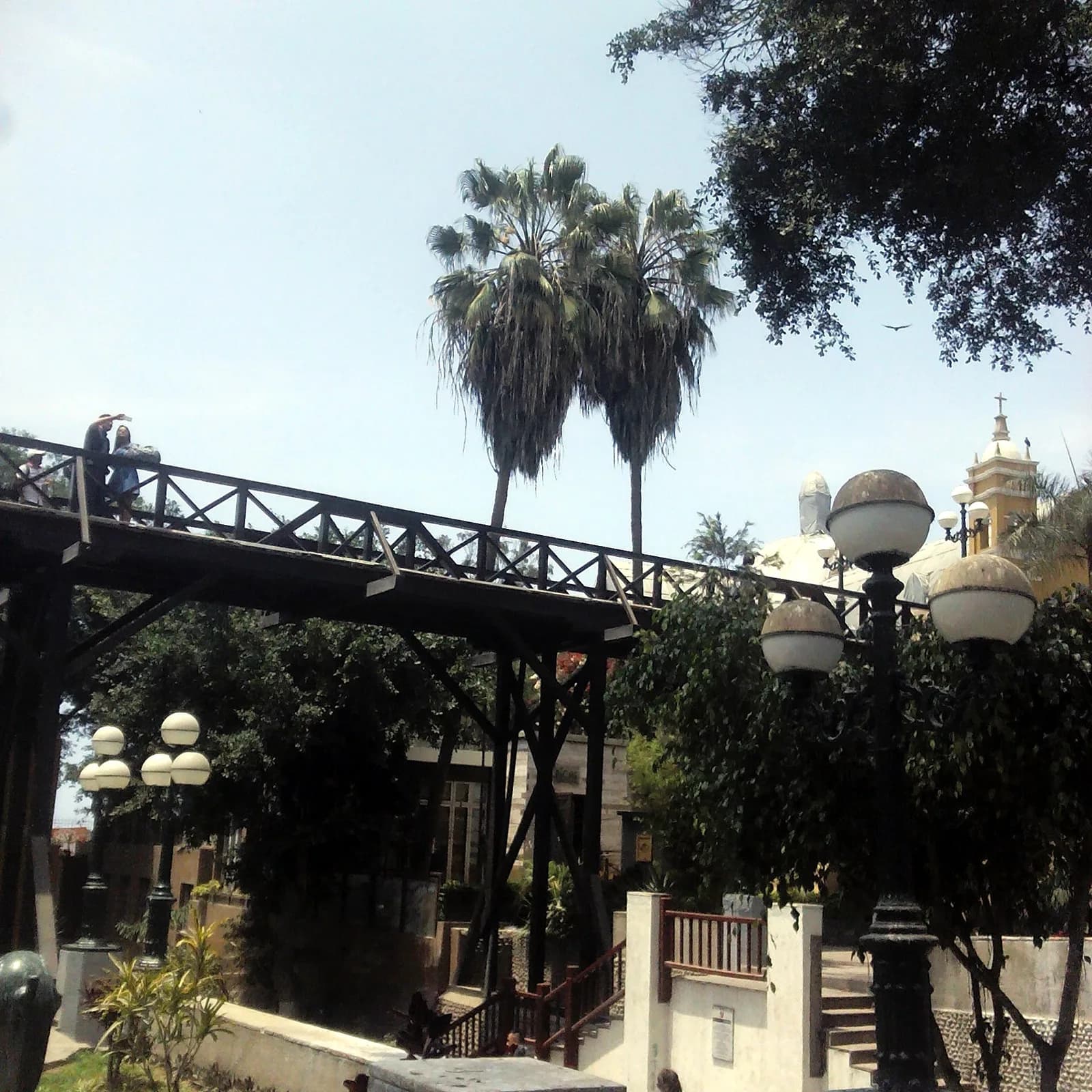
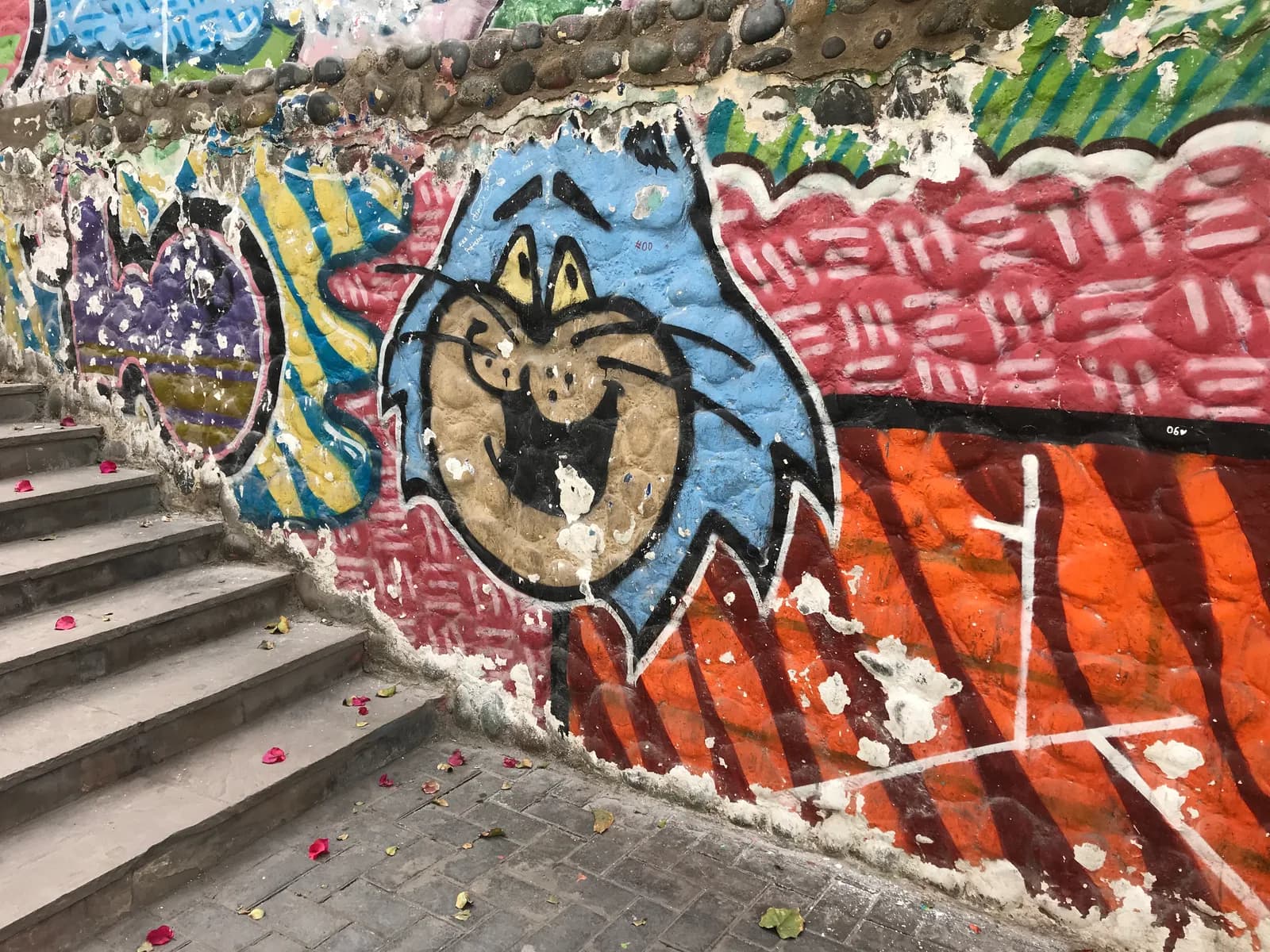
Barranco's pitch is concentration. The whole district is walkable in an afternoon, and nearly everything worth seeing sits along one route: from the main plaza past the Puente de los Suspiros, the wooden Bridge of Sighs, then down the Bajada de los Baños, the old bathers' walkway that descends through trees and restaurant terraces toward the sea. Murals cover whole facades along the way, and recent visitors describe the district less as a set of sights than as one continuous open-air gallery with bars in it.
The district also punches far above its weight after dark and at the table. Central and Kjolle share a building on Av. Pedro de Osma, the peñas around the plaza keep live criollo music going late, and the bar scene is the best in the city by the consistent verdict of recent reports. The trade-offs are real: hotel stock is thin and skews boutique, so the good places sell out weeks ahead; there is no supermarket-and-pharmacy convenience grid like Miraflores has; and the quiet side streets that make the district photogenic by day are the same ones travelers are told to avoid wandering alone at 1am.
Safety and walking home at night
This is the deciding factor for many first-timers, so it deserves its own verdict. By day, both districts are comfortable and heavily visited, and the standard Lima precautions apply equally: ride apps instead of street taxis, phones away from the curb side of the footpath. At night the gap opens. Miraflores stays lit, patrolled and busy across a wide area, and walking back to a hotel near Parque Kennedy at midnight is routine. Barranco is a district of corridors: the plaza, the bridge and the main bar streets stay busy and watched, while the residential blocks two streets over empty out. The recent-report consensus is simple and worth repeating: in Barranco, stay on the main drags at night and rideshare between venues that are more than a few blocks apart. Neither district is a reason to avoid the other; the difference is how much thinking the walk home requires.
The food split
Lima's two world-famous tasting rooms have sorted themselves neatly, one per district, and it is worth getting the geography right because older guides get it wrong. Maido, Mitsuharu Tsumura's Nikkei restaurant named number one on the World's 50 Best list in 2025, is in Miraflores. Central, Virgilio Martínez's altitude-by-altitude menu that held the same title in 2023, is in Barranco at Av. Pedro de Osma 301, sharing its building with Kjolle; it left Miraflores years ago, and plenty of outdated posts still send people to the wrong district. Both release tables on their own sites and sell out one to three months ahead, so book before flights. Raised between a Japanese kitchen and a New Zealand one, I will keep saying it: Maido's version of Nikkei, a century of Japanese-Peruvian immigration on a plate, is the single reservation worth fighting for, a thread I pulled on again when Nikkei cooking turned up in Medellín's food scene.
Below the flagships, the split holds. Miraflores does volume and lunch ceviche, with La Mar still on the Latin America's 50 Best list and no dinner service at all. Barranco does character: Canta Rana, the old tiled cevichería papered in football memorabilia, plus the cafés and galleries that make an afternoon there stretch. The fair summary from recent reports: eat lunch wherever you are, and let dinner decide the district.
Nights out: Barranco wins
If nightlife matters to your trip, this section is the whole comparison. Barranco is Lima's bar district, and the name that anchors it in nearly every recent report is Ayahuasca, a resto bar filling the Berninzon mansion, a casona built in the late 1800s, with a pisco list that runs from the classic sour through versions built on aguaymanto, tumbo and coca leaf. Cocktails run about $10-12, Thursday to Saturday are the crush nights, and the building alone justifies one round. Around it sit Dada, the plaza's peñas with live criollo music, and enough small bars along the main drags to fill a week of evenings.
Miraflores at night is comfortable rather than exciting: restaurant dinners, hotel bars, the Larcomar terraces over the dark ocean. It suits an early tasting-menu night or a family trip fine. But the established Lima evening pattern in recent reports is one-directional: sleep in Miraflores, taxi to Barranco for the bars, ride app home. Ten to fifteen minutes, pocket change, no planning required.
The side-by-side
| Miraflores | Barranco | |
|---|---|---|
| Feel | Polished, international, big-city | Bohemian, small, mural-covered |
| Safety at night | Wide patrolled area, easy walks home | Fine on main drags, rideshare between venues |
| Hotels | Deepest inventory in Lima, every tier | Thin boutique stock, books out early |
| Prices | Tourist-core rates, endless choice | Often slightly cheaper, less availability |
| Food anchors | Maido, La Mar, lunch cevicherías | Central, Kjolle, Canta Rana |
| Nightlife | Restaurant dinners, hotel bars | Ayahuasca, Dada, peñas: the city's best |
| The clifftop | Malecón parks, Larcomar, paragliding | Bridge of Sighs, Bajada de los Baños, street art |
| Airport run | Simplest of any Lima base | 10-15 min further, same rules |
| Best for | First visits, families, short trips | Second visits, nightlife-first, art-first travelers |
What to book from either base
The bookable Lima experiences work identically from both districts, since every pickup list covers the whole coastal strip.
Three things worth booking
 Do this first
Lima food tour, ceviche and markets
A guided crawl through cevicherías and market stalls on day one teaches the rules, ceviche at lunch, leche de tigre as the chaser, so the rest of the trip you order like you mean it. Most tours pick up in both Miraflores and Barranco.
Book this Traveler favourite
Paragliding the Costa Verde cliffs
Tandem flights launch from the Raimondi site on the Miraflores clifftop and glide the coastline past Parque del Amor. Wind decides the schedule, so book it early in the stay and keep a backup slot.
Book this The big escape
Paracas and Huacachina day trip
Ballestas Islands boat trip, then dune buggies and sandboarding at the Huacachina oasis, in one roughly 18-hour day from Lima. Long but consistently rated worth it by recent travelers.
Book thisIf a single 18-hour day sounds brutal, the smarter version of the same instinct is an overnight: the river-valley town of Lunahuaná, three hours south, packs rafting, wineries and canopy lines into a two-day adventure escape that costs less than most Lima day tours. Closer in, half-day tours cover the Pachacámac ruins south of the city when the transport feels like too much to solve alone.
Where to stay, whichever way you lean
Three places to book in Lima
 Barranco flagship
Hotel B
A restored 1914 mansion turned art-filled boutique hotel steps from the galleries and bars. The Barranco name that recurs in nearly every recent report, and the district's thin inventory means it books out well ahead.
Check availability Best value
Casa Andina Premium Miraflores
The Peruvian-chain tower in central Miraflores that recent reviews keep praising for breakfast, cleanliness and position. The price-to-location ratio is the argument for sleeping on the Miraflores side.
Check availability Boutique mid-range
Casa República Barranco
A restored-mansion boutique hotel rating around 9.6 in recent guest scores, with breakfast included. Proof that Barranco's mid-range can undercut comparable Miraflores addresses when booked early.
Check availabilityStay in Miraflores if this is a first visit, if you are traveling as a family, or if you want the option of booking late and choosing between two hundred properties instead of twenty. The malecón, the patrols, the airport logistics and half the food anchors are the package, and Barranco is a short ride away every evening. The honest downside is that it is the least surprising district in Lima, and travelers chasing atmosphere often end each night wishing they had flipped the choice.
Stay in Barranco if bars, galleries and walkable character are the trip, and book early: the boutique stock led by Hotel B, Villa Barranco and Casa República is small enough that the good rooms disappear weeks out. Prices often land a notch below comparable Miraflores addresses, which surprises people who assume the cool district costs more. Accept the corridor rule after dark and the district gives you the best evenings in Lima on foot.
Stay in San Isidro if neither profile fits: it is the leafy, quiet, business-district third option north of Miraflores, one of the safest municipalities in Peru, at its best for work trips and early nights. The full breakdown of that trade, plus Centro Histórico and the airport math, is in the complete Lima neighborhood guide.
Getting between them, and getting to Lima at all
The gap between the two districts is the easiest logistics problem in Peru. A ride app run between the centers takes 10 to 15 minutes and costs a few soles more than nothing; the Metropolitano busway links both districts to Centro Histórico when traffic is ugly; and the clifftop walk via the Puente de la Paz turns the commute into the day's activity. Walk it southbound in late afternoon: malecón parks first, the glass bridge over the ravine, then straight into Barranco as the bars open.
Arrivals go through the new Jorge Chávez terminal that opened in June 2025, about 17 km away in Callao: official taxi desks run roughly S/60-95 to the coastal districts, ride apps somewhat less from the designated pickup zone, and the ride takes 45 to 75 minutes depending on traffic. It is worth comparing fares into Lima across the year, since grey-season dates dip noticeably. Most South America routes pair Lima with Cusco next, or jump north to Colombia, where the Medellín stay guide picks up the same neighborhood question in a different city.
Recommendations
- First trip, three nights: book Miraflores within a few blocks of the malecón and spend at least one full evening in Barranco.
- Nightlife-first trip: sleep in Barranco, book the room a month out, and treat Miraflores as your daytime errand district.
- Walk the Puente de la Paz route once in daylight; it is the fastest way to feel the difference between the two districts and decide for next time.
- Book Maido or Central before booking flights; one to three months of lead time is standard for both.
- Eat ceviche at lunch in either district; the classic cevicherías wind down by late afternoon.
- Use Uber, Cabify or DiDi everywhere after dark, especially between Barranco venues more than a few blocks apart.
- Save the Paracas-Huacachina marathon for a trip with a spare day, or swap it for an overnight in Lunahuaná and come back rested.
- If both districts feel wrong for your travel style, read the San Isidro and Centro sections of the Lima guide before defaulting to Miraflores anyway.
The honest summary is the same one the Puente de la Paz makes physical: this is one clifftop with two personalities, and the walk between them takes less time than most people spend deciding. Sleep in Miraflores if you want Lima made easy, sleep in Barranco if you want Lima with the volume up, and whichever end you choose, cross the bridge after breakfast. If you have been recently and something here has moved, tell me and I will update it.
Frequently asked
Should I stay in Miraflores or Barranco in Lima?
Miraflores for a first visit: it has the deepest hotel inventory, the strongest security presence in the city, the simplest airport logistics and the clifftop malecón parks. Barranco suits second visits and travelers who care more about bars, murals and character than hotel selection. The two districts sit side by side, so whichever you pick, the other is 10 to 15 minutes away by ride app.
Is Barranco in Lima worth it?
Yes, even if you sleep elsewhere. It is Lima's most walkable district, with the Bridge of Sighs, the Bajada de los Baños, the city's densest street art and its best bar scene, plus Central and Kjolle inside its boundaries. Most Miraflores-based visitors end up spending their evenings there anyway.
Is Barranco safe at night?
The main corridors around the plaza, the Bridge of Sighs and the bar streets are busy and patrolled into the night, and recent travelers consistently describe them as comfortable. The side streets thin out after dark, so the standard advice is to keep to the main drags and use Uber, Cabify or DiDi between far-apart venues rather than wandering.
How far apart are Miraflores and Barranco?
They border each other on Lima's Costa Verde clifftop. A ride app between the two centers takes 10 to 15 minutes and costs pocket change, and since August 2025 the Puente de la Paz, a 112-meter glass-sided pedestrian bridge, links the two malecóns directly. The full clifftop walk between the districts takes 30 to 45 minutes.
Is Central restaurant in Miraflores or Barranco?
Barranco, at Av. Pedro de Osma 301, in the same building as Pía León's Kjolle. Older guides still place Central in Miraflores, its original district, but it moved years ago. Maido, named the world's best restaurant in 2025, is the one in Miraflores. Both release tables on their own websites and sell out one to three months ahead.
Is Barranco cheaper than Miraflores?
Often, but not dramatically. Barranco's boutique hotels and B&Bs can undercut comparable Miraflores addresses, and its bars and menus price a shade lower than the tourist core around Parque Kennedy. The catch is inventory: Barranco has a fraction of the rooms, so the good places sell out earlier and last-minute deals are rarer than in Miraflores.
Which Lima neighborhood has the best nightlife?
Barranco, by a clear margin in recent reports. Its bars run from the pisco lists of Ayahuasca, set in a 19th-century mansion, to Dada and the live-music peñas around the plaza. Miraflores has plenty of restaurants and polished hotel bars but winds down earlier, which is why many visitors sleep there and taxi to Barranco after dark.