Where to Stay in Mahahual: Malecón, Beach Clubs and the Quiet South
Which part of Mahahual to book, from the walkable malecón to the calm south beach and the off-grid Xcalak road, with honest notes on cruise days and sargassum.
Mahahual is one of those places where the single most useful decision, where exactly to sleep, is the one most guides skip past. Mahahual is a small fishing village on the Costa Maya, two to three kilometers south of a cruise terminal that lands up to four megaships on a busy day and none at all on others. That rhythm, ships or no ships, changes the whole town, and where you book decides how much of it you feel. This is the version of the trip I would book, and Royal Caribbean's plan to build a private port here by 2027 makes "go now" more than a cliché.
The short answer, for anyone booking around the ship schedule: the best area to stay in Mahahual is the village malecón for a first visit with restaurants, dive shops and the reef at your door, the south beach end around 40 Cañones for the calmest and cleanest water, and the Xcalak road south of town for an off-grid eco-lodge if you have a car.
| Area | Best for | Typical price per night | Named pick |
|---|---|---|---|
| The malecón and village | First visits, walkable restaurants and dive shops | Mid-range; drops on no-ship days | Noah Beach Hotel & Suites |
| South beach end (40 Cañones) | Cleanest water, calmest sand, still walkable | Mid-range, breakfast included at the pick | 40 Cañones |
| Xcalak road (km 5–12) | Off-grid quiet, divers, star-heavy skies | Mid-range; solar-powered and remote | Hotel Maya Luna |
How Mahahual actually lays out
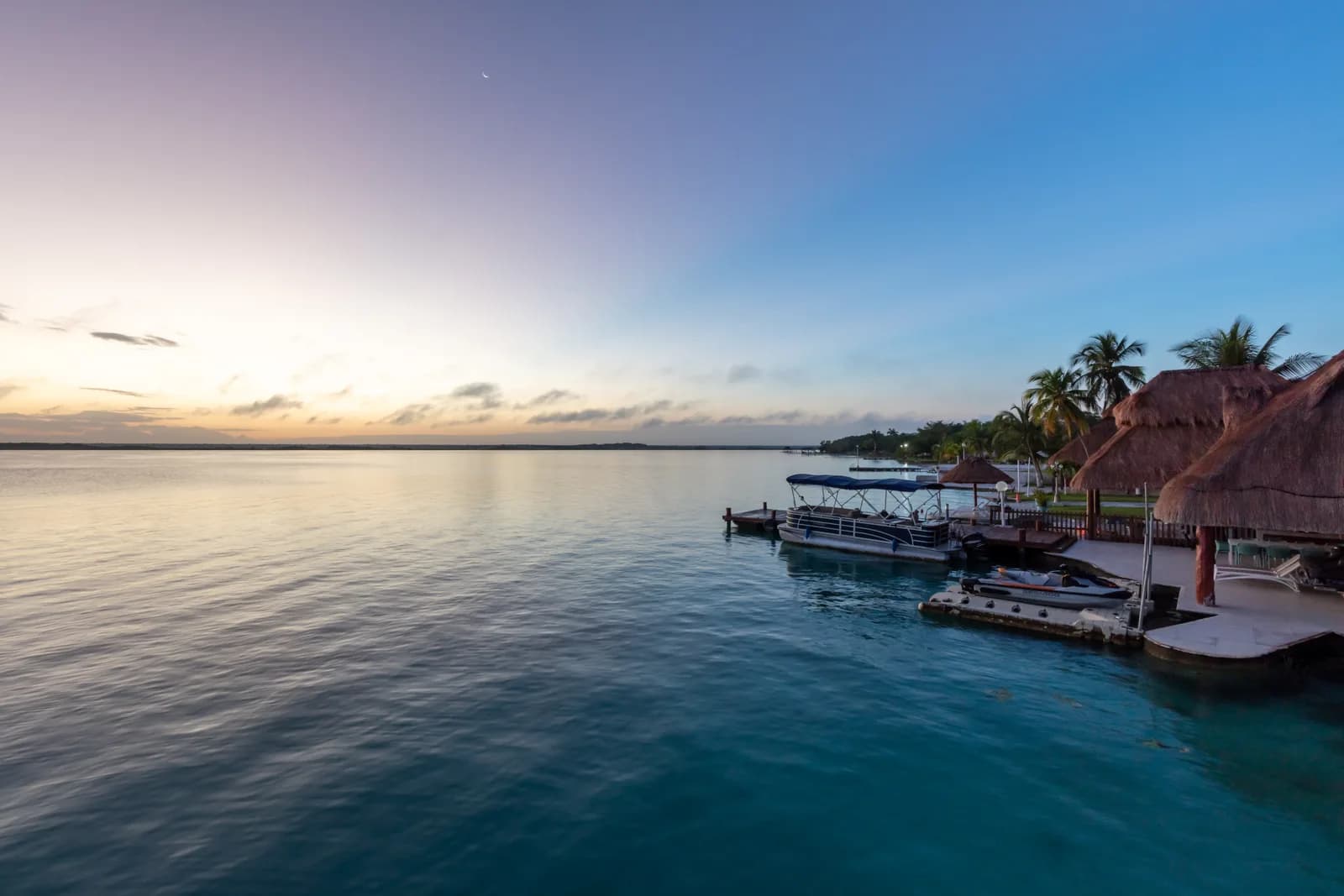
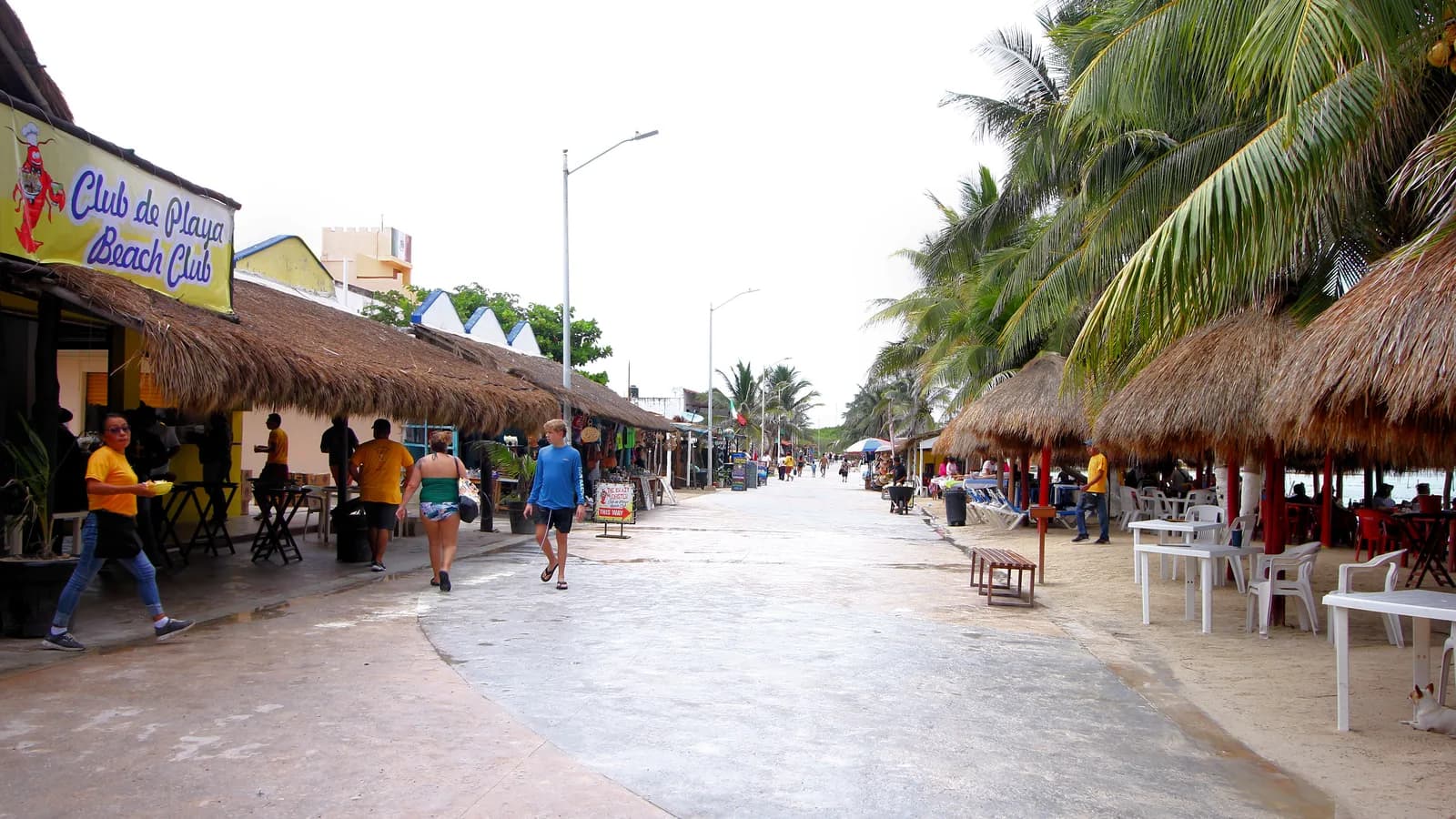
The town is really three places. First, the village and its malecón: a roughly two-kilometer pedestrian promenade running along the beach, lined with restaurants, dive shops and small hotels, with the Mesoamerican reef sitting just offshore. This is the walkable heart, and almost everything worth doing on foot is on it. Second, the Costa Maya cruise terminal, two to three kilometers north, its own gated world of duty-free shops that most independent travelers only see if their bus passes it. Third, the coastal road heading south toward Xcalak, where eco-lodges sit at kilometer markers 5 through 12, twenty to thirty minutes from town, quiet and often off-grid.
Two facts shape every booking. The sargassum tends to pile up heaviest on the north end of the malecón, so the south end of the beach, around the 40 Cañones area, consistently gets described as the calmest and cleanest water in town. And the power situation is more fragile than the Riviera Maya to the north: this is close to a generator town, cell service is patchy, wifi is spotty, and card machines fail often enough that cash is not optional. Base yourself for the reef and the food, not for luxury infrastructure, and Mahahual delivers.
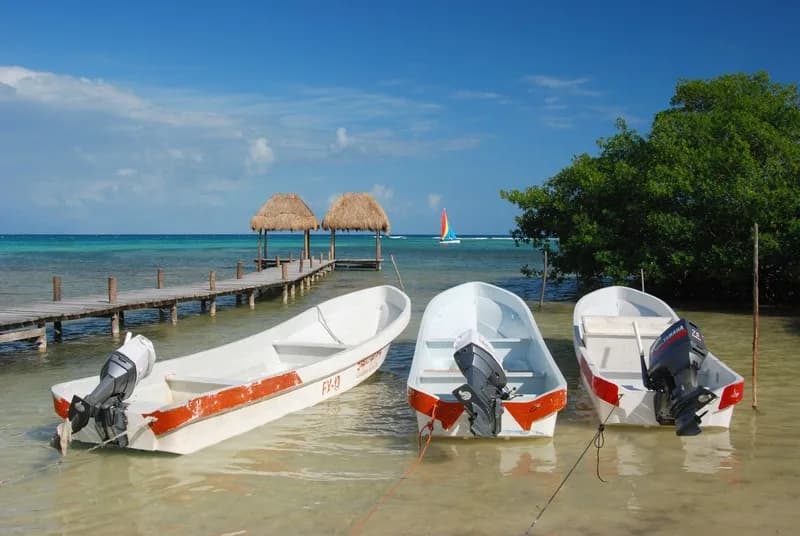
The cruise-ship rhythm, and why it decides your days
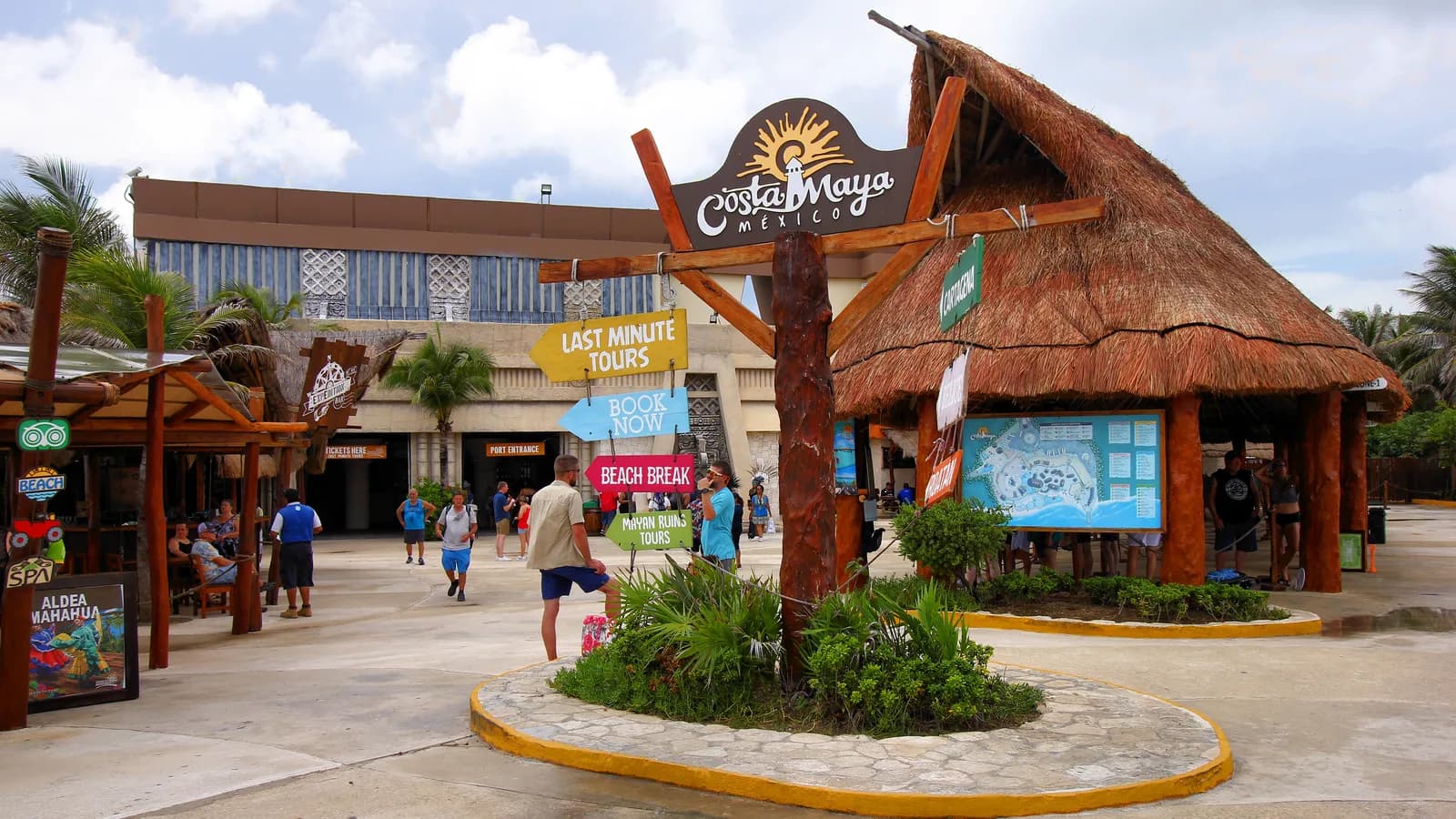
This is the thing to understand before anything else. The Costa Maya port has four berths and takes more than 550 ship calls a year, so on many days one to four megaships dock and disgorge thousands of passengers into the village from around 10am. The malecón fills, the beach clubs fill, and several restaurants quietly switch to a second, dollar-denominated menu: a drink that costs 90 pesos on the Mexican menu shows up as nine US dollars on the ship-day menu. Recent visitors are not bitter about this so much as tactical about it.
The pattern that comes up again and again: check the cruise schedule before you lock in activities. There is no fixed weekly rhythm, so some days bring four ships and others bring none. Plan your Banco Chinchorro trip, your Bacalar day, or your Chacchoben ruins run for the busy days, and keep the empty days for the beach and the town. And whatever the ships do, the malecón resets after about 3pm when passengers re-board, prices drop, and the village becomes the sleepy place people actually come here for. If you want a day entirely away from the crowds, an hour inland gets you to the freshwater lagoon I cover in the Bacalar things-to-do guide.
Things worth building a day around
Mahahual's headline is the water, and the single trip travelers rate highest is Banco Chinchorro, the largest coral atoll in the northern hemisphere, about ninety minutes offshore. It runs only on good-weather days with a small-group minimum, so book early in your stay to leave room for a weather bump.
Three things worth booking
 Worth the trek
Banco Chinchorro snorkel or dive
The clear-water day everyone comes for: nurse sharks, lobster, a lighthouse island stop. Weather-dependent with a small-group minimum, so book it for early in your stay and pay the park fee in cash.
Book this Best value
Reef lagoon snorkel from Mahahual
The Mesoamerican reef sits a few hundred meters off the malecón, so a guided lagoon snorkel is the low-commitment version of Chinchorro. Rays, turtles and coral without the ninety-minute boat ride.
Book this Rainy-day pick
Chacchoben Maya ruins
Jungle-wrapped temples about an hour inland, and the easiest cultural half-day from Mahahual. A local small-group operator runs it at roughly half the cruise-line price.
Book thisChinchorro splits into diving, which needs an advanced certification and around thirty logged dives, and snorkeling, which does not. Recent dive reports single out the shops that actually guarantee the departure rather than cancelling on a whiff of swell, and the trip that keeps coming back is the one that stops at Cayo Centro, where American crocodiles drift through the mangroves and iguanas own the island. Closer in, a shore-reef snorkel is the honest budget version: the reef is genuinely just offshore. Chacchoben is the reliable non-water day, and doing it through a small local operator rather than a cruise excursion is both cheaper and quieter. On the water or off it, none of this needs you to sleep anywhere in particular, which is exactly why the accommodation question comes down to atmosphere.
What you are really here to eat
The food in Mahahual is simpler than in a big Mexican city and better than a cruise-port reputation suggests, built almost entirely on what came off the boat that morning. The name that appears in nearly every recent report is Nohoch Kay, a beach spot known for whole fried fish with tortillas and a homemade tartar sauce, where a fifty-dollar minimum spend gets you a free lounger for the day. The Krazy Lobster is the other malecón fixture, half beach club and half kitchen, doing ceviche and tacos to a crowd. For something other than seafood, Maramao is the beachfront Italian that vegetarians in the reports keep flagging as the reliable option.
Coming from a Japanese family, I care a lot about how raw fish is handled, and the Caribbean ceviche tradition here, citrus-cured rather than knife-and-rice, is its own discipline. The versions travelers rave about are the plainest ones, a mixed seafood ceviche eaten at a plastic table with your feet in the sand. Away from the beach, the sopes cart that sets up in the evening and the small taquerias off the malecón are where the town actually eats, at fifty to eighty pesos a plate, and where prices ignore the cruise calendar entirely.
Where to stay in Mahahual, zone by zone
Here is the honest menu, ordered from most convenient to most tucked away, with the trade-offs recent travelers keep flagging. Lead with what kind of trip you want, then pick the zone.
Three places to book in Mahahual
 Traveler favourite
Noah Beach Hotel & Suites
The newest and most modern hotel on the malecón, above a well-liked restaurant, with a private beach area. The one families in recent reports keep returning to.
Check availability Best beach
40 Cañones
A south-end beach club and hotel on what reviewers call the calmest, cleanest stretch of sand in town, breakfast included, still walkable to the malecón.
Check availability Off-grid quiet
Hotel Maya Luna
An adults-only eco-lodge on the quiet coastal road south of town, solar-powered bungalows with a private beach. You will want a car or a bike, and the reward is silence.
Check availabilityStay on the malecón and village if this is your first visit and you want restaurants, dive shops and the reef all within a short walk. This is where Noah Beach Hotel and the cluster of small guesthouses sit, and where the town's whole social life happens. The trade-off is the cruise-day crowds arriving at your door and the fact that the north end catches the most sargassum, so ask for a room toward the southern, quieter stretch.
Stay at the south beach end, around 40 Cañones, if clean water and a calmer scene matter more than being in the middle of things. Recent reviewers are consistent that this stretch has the nicest sand and the gentlest water in town, and it is still an easy walk into the village for dinner. It suits couples and anyone who wants a beach-club day without a boat.
Stay on the Xcalak road south of town if you want an off-grid eco-lodge and genuine quiet, places like Hotel Maya Luna and the cabañas further along. This is the disconnect option: solar power, no nightlife, star-heavy skies, and a real need for a car or bike because every meal and dive shop is twenty to thirty minutes back in town. It rewards divers and slow travelers and frustrates anyone who wanted to stroll to dinner.
If you want one line to stop the scrolling: first trip, book the village malecón toward its south end. If you have a car and came to switch off, take the Xcalak road. Either way, keep your beach days flexible around the cruise calendar. This whole coast pairs naturally with the lagoon town inland, and I have broken down where to stay in Bacalar the same way.
Getting there and getting around
There is no direct ADO bus from Cancun, which surprises people. The cleanest routes are three: rent a car in Cancun or Tulum and drive the well-maintained Highway 307 (about four and a half hours from Cancun, three to three and a half from the new Tulum airport, which is now the closest practical gateway); take an ADO bus to Chetumal or Bacalar and connect by van for the last stretch; or take the daily Caribe bus from Playa del Carmen, which runs about four hours through Tulum. From Cancun by bus with connections, budget six and a half hours. If you are flying in and still fixing dates, it is worth comparing flights into Cancun and Tulum since the fare gap can be large.
Once you are there, the town is walkable end to end, several hotels lend bikes, and taxis fill the gaps at posted rates. The one logistic to sort in advance is money: ATMs are few, frequently empty, and some dispense only US dollars, while card terminals fail often. Bring pesos with you. From Mahahual, a taxi or van makes Bacalar an easy day trip, and the two towns are the natural pairing for this corner of the country, one saltwater and one fresh; my Bacalar things-to-do guide covers what to actually do once you are there.
When to go
The dry season, November through April, is the window, with the calmest water and the lowest sargassum. The heavy sargassum months run roughly May to October, and both the 2025 and 2026 seasons were unusually bad across southern Quintana Roo, with red-alert stretches around Mahahual in mid-2026. The far south of the state often reads lighter than the Cancun and Tulum core, and the reef-protected south end of the beach copes best, but if pristine water is the whole point, come in winter and book toward 40 Cañones. Hurricane season overlaps the sargassum months, June through November, which is the other argument for a dry-season trip.
Practical notes I would tell a friend
- Check the Costa Maya cruise schedule before you book any activity, and aim your boat trips and inland day trips at the busiest ship days.
- Carry pesos from home; do not count on the town's ATMs, and expect some to dispense only dollars.
- Book Banco Chinchorro for early in your stay so a weather cancellation still leaves a backup day.
- Enjoy the malecón after 3pm on ship days, when the passengers re-board and the dollar menus quietly revert to peso prices.
- Pack strong insect repellent for sunset; the sand flies and mosquitos at dusk are the one universal complaint.
- If clean water is your priority, book the south end of the beach and travel in the November to April dry season.
- Pair Mahahual with two nights in Bacalar an hour inland; the freshwater lagoon is the perfect counterweight to the reef.
Mahahual is a town on the edge of real change, with a major cruise port under construction that is expected to open around 2027. If you have been recently and something here has shifted, tell me and I will update it. But if you are booking now: sleep on the malecón or the calm south beach, plan your days around the ships rather than against them, and give the town a couple of slow nights to show you why people bother coming this far south.
Frequently asked
Is Mahahual worth staying overnight, or just a cruise stop?
It is worth staying, and staying is how you see the real town. On no-ship days the malecón empties out and prices drop, the reef sits a short swim from shore, and the evenings are quiet in a way cruise passengers never see. Two or three nights is the sweet spot most recent visitors land on, often paired with Bacalar an hour away.
Which part of Mahahual should I stay in?
The car-free malecón in the village if you want restaurants and dive shops at your door, the calmer south end of the beach if you want the cleanest water and fewer crowds, or the Xcalak road south of town if you want an off-grid eco-lodge and have a car. The village is the default for a first visit because everything is walkable.
How do cruise ships affect Mahahual?
On days when one to four ships dock at the Costa Maya terminal, the village fills with passengers from roughly 10am, and some restaurants switch to inflated dollar menus. The fix recent travelers repeat is simple: check the cruise schedule before you book activities, do a Bacalar or Chinchorro day on ship days, and enjoy the malecón after about 3pm when passengers re-board and prices settle.
Is there sargassum in Mahahual?
Yes, seasonally. The 2025 and 2026 seasons were heavy across southern Quintana Roo, worst from roughly May to October. The north end of the malecón catches the most, while the reef-protected south end and the beach clubs there tend to stay clearer. If clean water is your priority, come in the November to April dry season and book toward the south.
How do you get to Mahahual?
There is no direct ADO bus from Cancún. Most travelers route through Tulum airport, now the closest practical gateway at about three to three and a half hours by car, or take an ADO bus to Chetumal or Bacalar and connect by van. Renting a car in Cancun or Tulum is the smoothest option; the highway is well maintained.
Do you need cash in Mahahual?
Yes, more than most of Mexico. ATMs on the main street are few and often empty or broken, some dispense only US dollars, and card terminals fail regularly. The bus station and many small businesses are cash-only. Bring pesos with you rather than relying on withdrawing them in town.
How many days do you need in Mahahual?
Two to three nights. That is enough for a Banco Chinchorro or reef snorkel day, a slow beach-club day, an evening or two on the malecón, and a Bacalar or Chacchoben day trip. The town is small and the nightlife is limited, so longer stays suit divers and people who genuinely want to do very little.