Bacalar or Tulum: Where Your Quintana Roo Nights Are Better Spent
Bacalar or Tulum? An honest 2026 comparison: sargassum-free lagoon vs beach, prices, crowds, cenotes and ruins, plus the route that fits both in one trip.
Bacalar versus Tulum is a question about which water you want to wake up next to, and in 2026 the two answers have never been further apart. Tulum is the famous one: clifftop ruins, cenote country, beach clubs with DJ brunches and prices to match. Bacalar, three hours south, is a small lagoon town that has become the escape hatch for travelers burned by Tulum's crowds, costs and seaweed. I went deep into the recent reports on both while researching my Bacalar stay guide, and the pattern is consistent enough to call. The short answer up front: Tulum for first-timers who want ruins, cenotes and a scene; Bacalar for swimmers, budgets and quiet; and with five nights or more, the smart route refuses to choose.
One is a lagoon, one is a beach with a seaweed problem
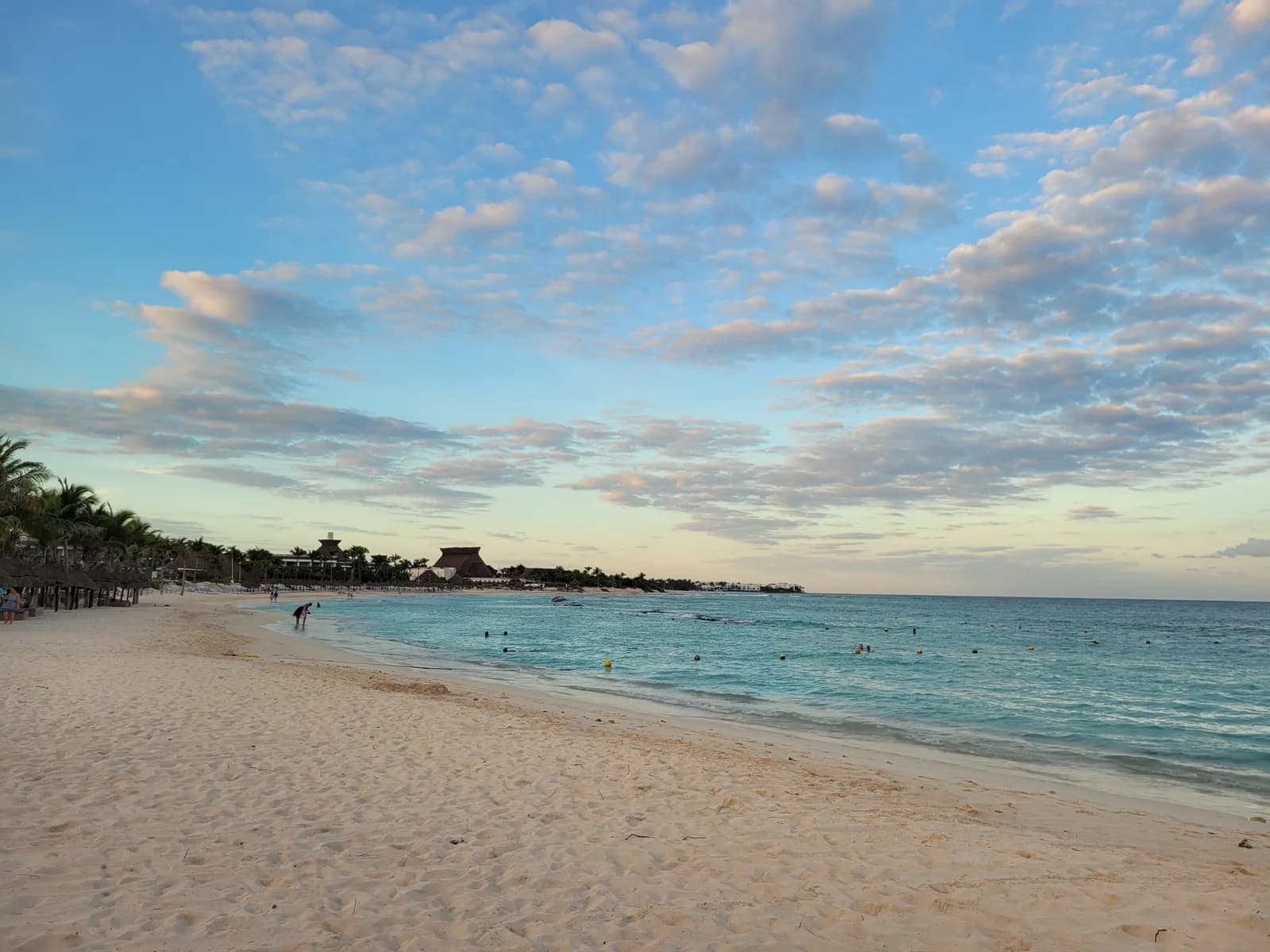
The core difference is not vibe, it is geography. Tulum sits on the open Caribbean, and its white-sand coastline is genuinely beautiful when conditions cooperate. Increasingly, they do not. Sargassum, the brown seaweed that blankets the Mexican Caribbean in warm months, hits Tulum's open-ocean orientation harder and longer than almost anywhere on the coast, and 2026 is tracking as a near-record year: University of South Florida researchers measured roughly 33 million metric tons across the Atlantic-Caribbean belt by June, and Mexico's navy had hauled almost 40,000 tons off Quintana Roo's beaches before the peak months even arrived. Recent reports from Tulum's strip describe piled seaweed, a sulfur smell on bad weeks, and businesses openly struggling. The worst window runs May through September; the reliable one is roughly late November through February.
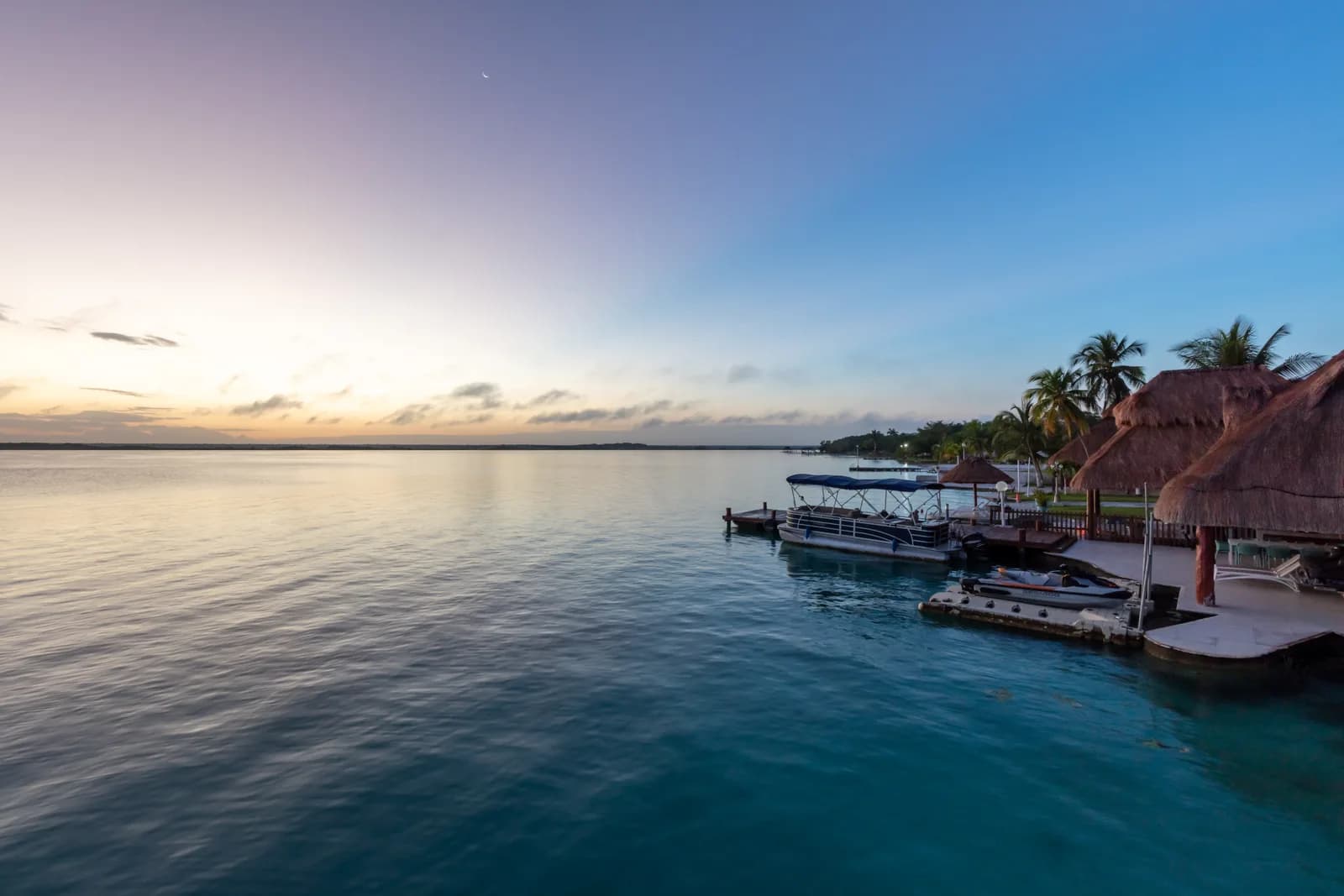
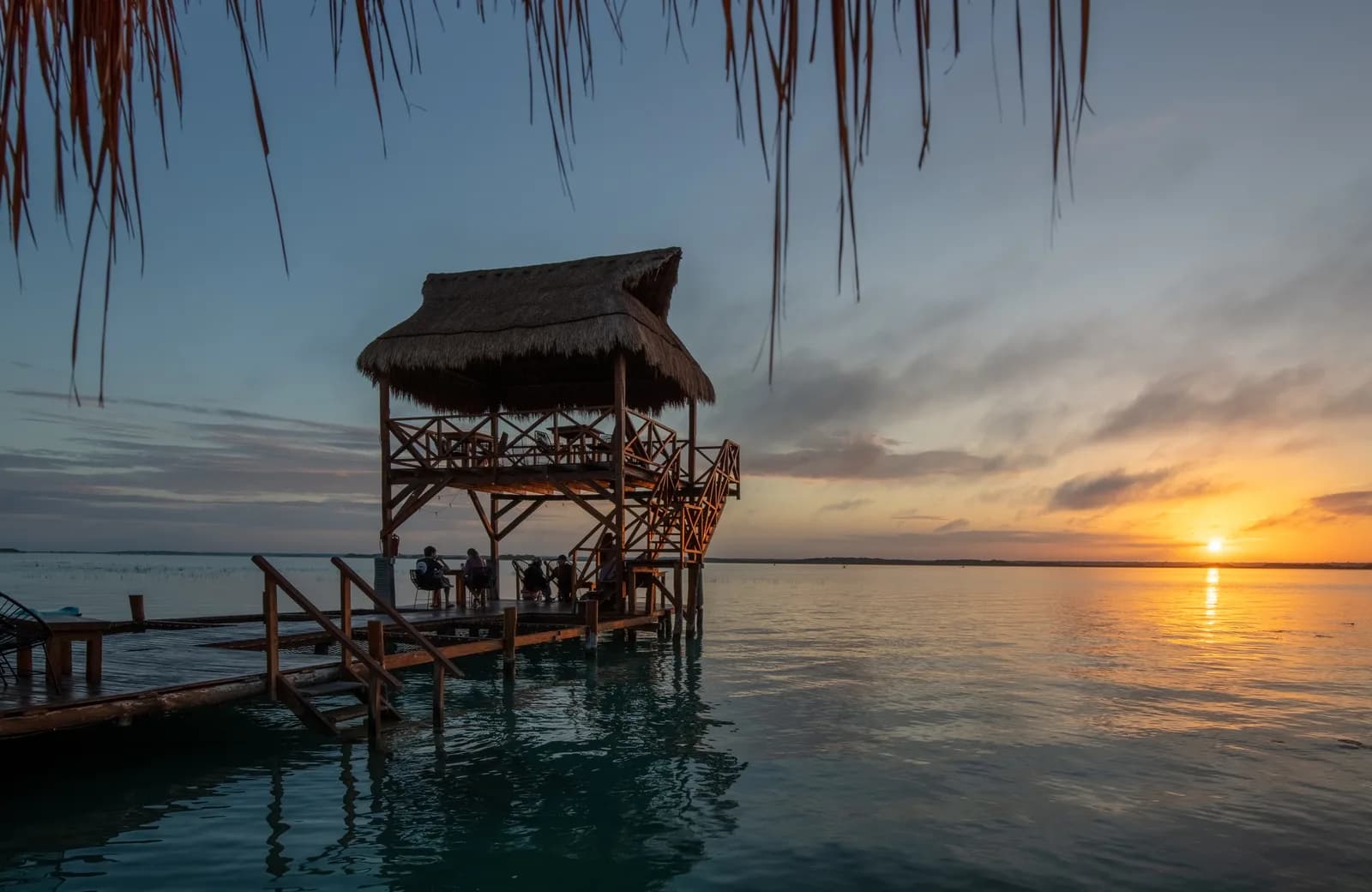
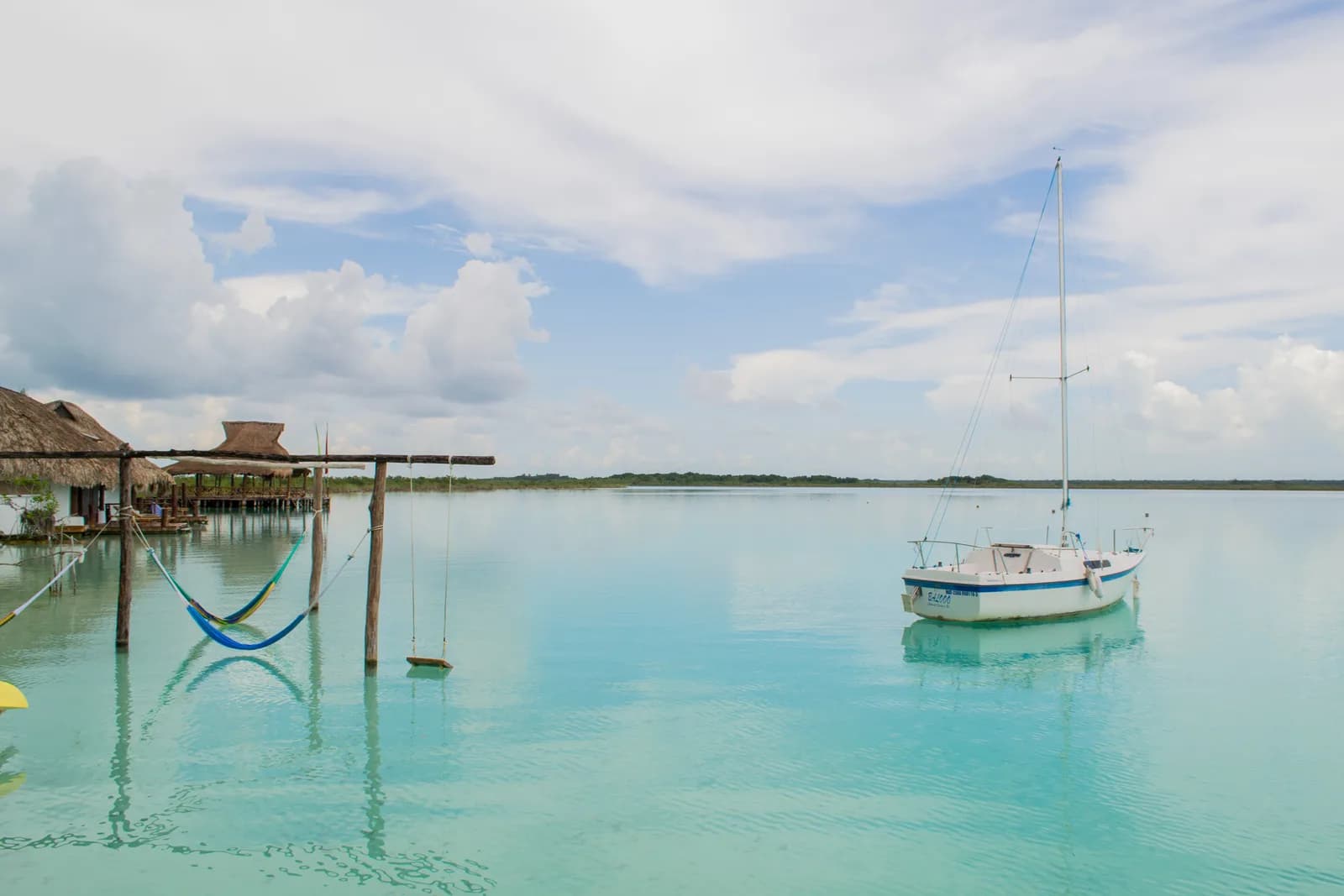
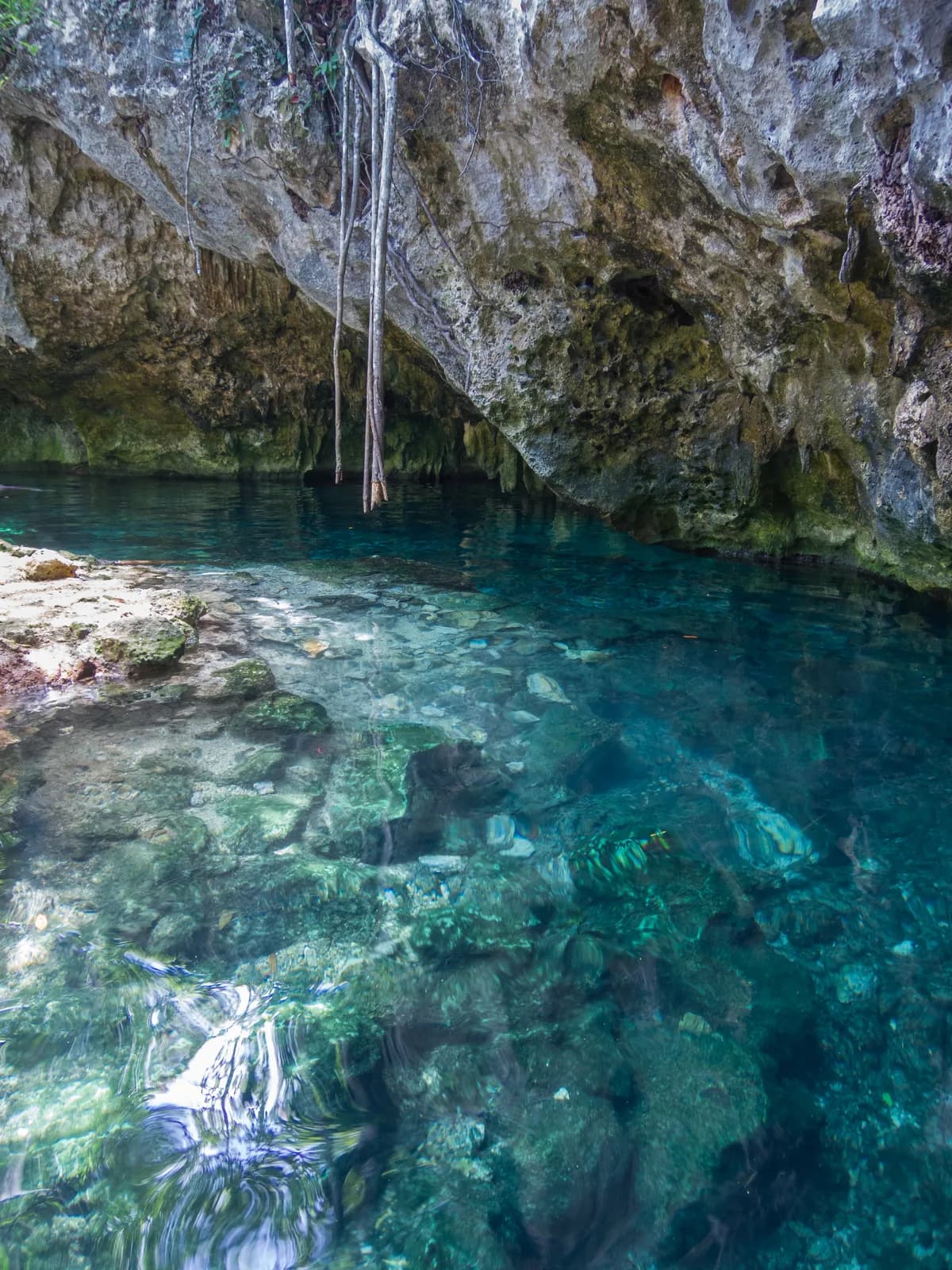
Bacalar opts out of that lottery entirely. The Lagoon of Seven Colors is freshwater with no connection to the ocean, so sargassum never arrives, and the color bands run from pale turquoise over white marl to deep navy over its cenotes. There are no beaches, only wooden docks and swim ladders, and no surf, which suits some travelers and bores others. The lagoon has its own fine print: heavy rain can mute the color for weeks, the wind flattens the glassy surface by late morning, and the living stromatolites come with strict no-sunscreen, no-touching rules, all covered in the things to do in Bacalar guide. But on the basic question of whether the water will be swimmable the week you visit, Bacalar is the safer bet, and that fact is driving the migration south.
The price gap is real
Recent budget breakdowns put a comfortable backpacker day in Tulum at 50 to 80 dollars and a mid-range day at 120 to 180, before the beach zone gets involved: 20 to 40 dollar beach-club minimums, 15 to 25 dollar cocktails, beach-road dinner plates at 25 to 50, and a 150 to 250 peso taxi from town each way, cash only. It is a resort economy priced like one, and travelers who base in the pueblo and eat where locals eat report a far cheaper trip.
Bacalar runs a full tier below. Hostel beds start around 600 to 800 pesos, solid lagoon-front hotels with swim docks and free kayaks sit around 2,500 to 4,500 pesos, and the big-ticket activities are modest: a four-to-five-hour sailboat tour with open bar for 40 to 60 dollars, a sunrise paddle around 21 dollars, Los Rápidos for about 200 pesos, Cenote Azul for about 50. Recent side-by-sides land on Bacalar days costing roughly half to two-thirds of equivalent Tulum days. If the budget is fixed and the trip is about time in the water, the same money simply buys more Bacalar.
The side-by-side
| Bacalar | Tulum | |
|---|---|---|
| The water | Freshwater lagoon, calm, swim docks | Caribbean beach, waves, white sand |
| Sargassum | Never, physically impossible | Heavy May–Sep, 2026 near-record |
| Daily cost | Roughly half of Tulum | Beach-club economy, pueblo cheaper |
| Crowds | Small town, quiet by 10pm | Busy strip, party scene, DJ brunches |
| Cenotes | Cenote Azul plus lagoon cenotes | Dozens: Gran Cenote, Dos Ojos, more |
| Ruins | Fort San Felipe, small museum | Clifftop Maya site in Parque del Jaguar |
| Food | Taco carts, a few standout kitchens | Deepest scene in the region, both tiers |
| Nightlife | Almost none | Bars, clubs, beach parties |
| Getting in | Chetumal 40 min, ADO, Maya Train | Own airport (TQO), ADO, Maya Train |
| Best for | Swimmers, budgets, slow travel | First visits, sightseers, groups |
Ruins, cenotes and day trips: Tulum's strongest suit
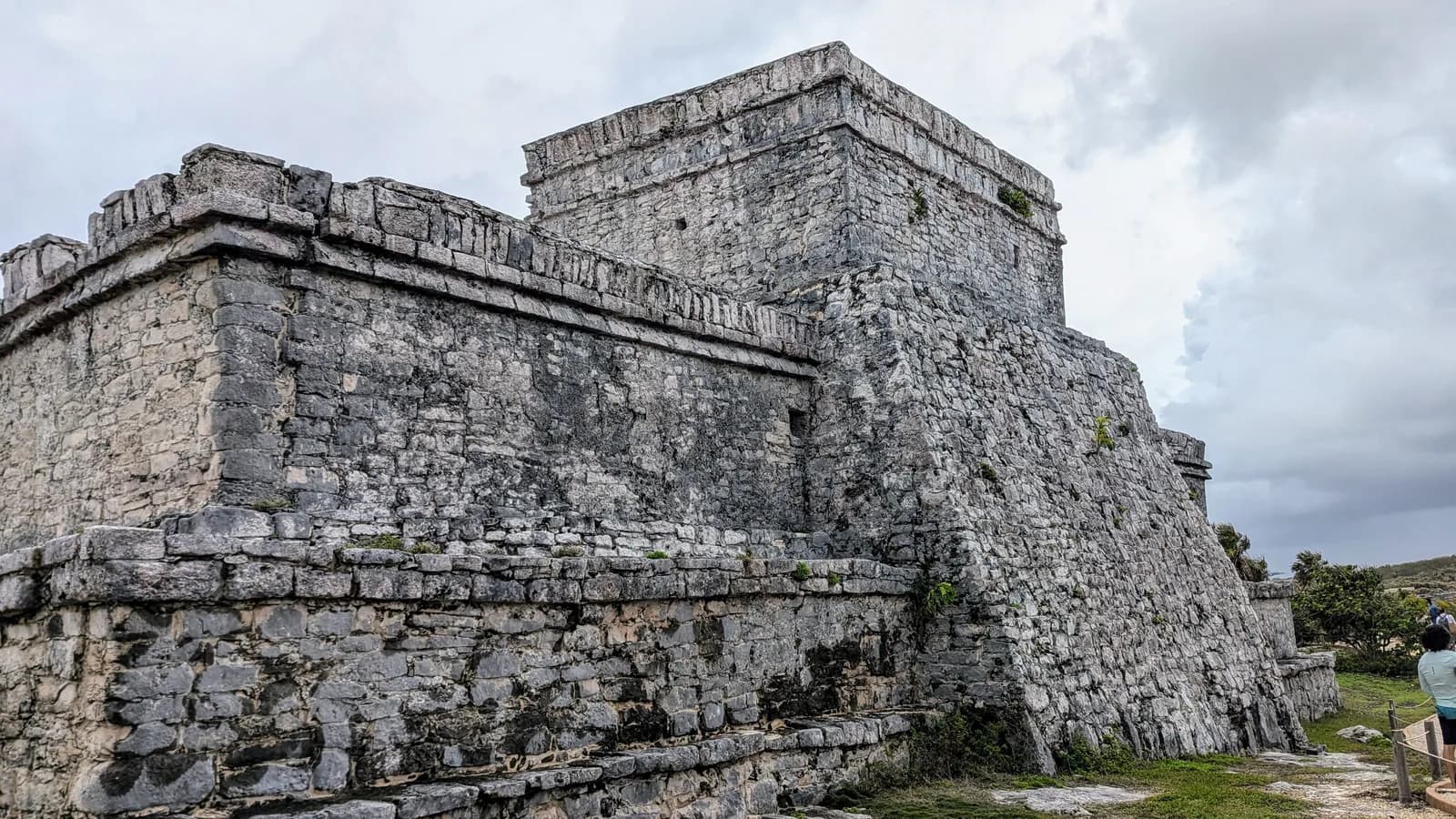
Where Tulum wins without argument is density of sights. The archaeological site is the only major Maya city built on a cliff over the sea, now inside Parque del Jaguar, where the July 2026 restructuring cut combined foreigner entry to about 265 pesos (it had stacked to roughly 515 across three separate fees earlier in the year) and made the park's beaches free to access. Go at 8am opening, before the tour buses. Then there are the cenotes, the category Bacalar cannot answer: Gran Cenote at 500 to 600 pesos, Dos Ojos around 350 to 400, and dozens more within a 20-minute drive. Add Sian Ka'an, the enormous biosphere reserve directly south where boat tours run 95 to 140 dollars, plus Cobá and Chichén Itzá in day-trip range, and Tulum is simply the better base for a checklist trip.
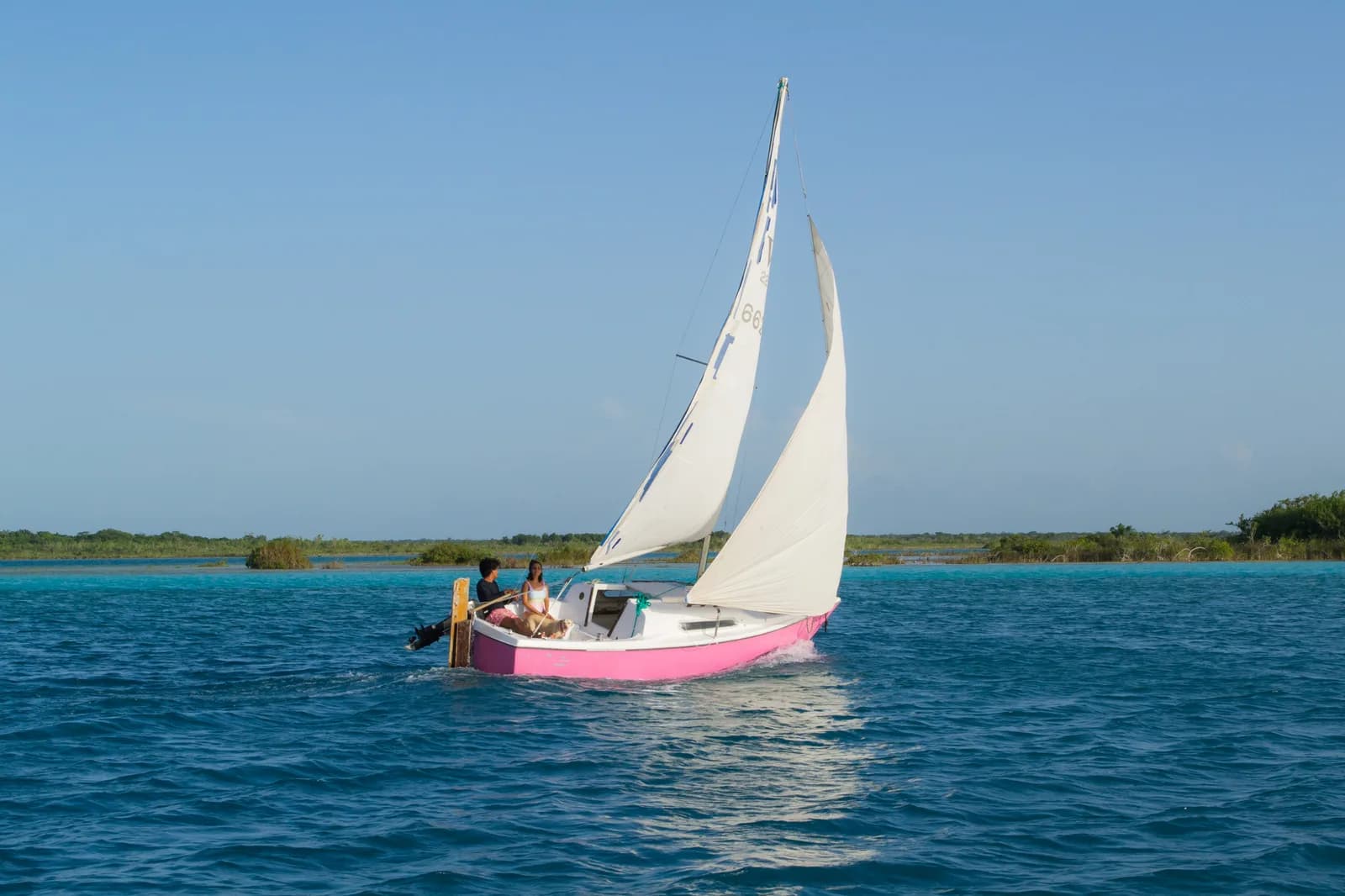
Bacalar's counterargument is quality over quantity. Its lagoon days, the sailboat across the color bands, the sunrise kayak on mirror-still water, the lazy-river float at Los Rápidos, rate as highly in recent reports as anything in Tulum, and never involve queuing behind forty snorkelers. The full breakdown, sailboat versus pontoon included, is in my Bacalar activities guide. These are the three bookings I would anchor a split trip on.
Three things worth booking
 Bacalar essential
Bacalar sailboat lagoon tour
A quiet sail across the seven colors to the Pirate Channel and Cenote Negro, usually with open bar. No motor wake, gentler on the stromatolites, and the format travelers rate highest.
Book this Tulum classic
Tulum ruins and cenote combo
The clifftop Maya site paired with a cenote swim in one morning, before the midday heat and crowds. Early start times are the ones worth paying for.
Book this Worth the splurge
Sian Ka'an biosphere boat trip
Dolphins, turtles, mangrove channels and a float down an ancient Maya canal in the reserve south of Tulum. The day trip recent reports call the best money on the coast.
Book thisFood: Tulum's depth against Bacalar's honesty
Tulum has the most developed food scene in southern Quintana Roo, and it splits cleanly in two. The pueblo does the food worth crossing a road for: Taquería Honorio, open 6am to 1:30pm, for the cochinita and lechón tacos in essentially every recent food report, and Antojitos la Chiapaneca for al pastor at prices that make the beach zone feel absurd. The beach road does modern Latin and Asian-fusion tasting menus, with Michelin recognition in recent years and prices visitors compare, without irony, to New York. Both tiers are real; the mistake is eating every meal on the beach road and concluding Tulum is a rip-off.
Bacalar cannot match that depth and does not try. What it has is a tight, likable core: taco carts and marquesita stands around the Zócalo after dark, La Playita on the water, open-fire seafood at Nixtamal, Mango y Chile for the vegetarian crowd. Meals cost a fraction of Tulum's, and recent reports are consistently warm about the quality-for-money. Food-first travelers should weight Tulum; everyone else eats well and cheaply on the lagoon.
Where to stay, whichever way you lean
Three places to book in Bacalar
 Bacalar value
Hotel CasaBakal
Direct lagoon access, free kayaks and paddleboards, mid-range pricing. The reliable middle ground on Bacalar's waterfront, and the pick from my full stay guide.
Check availability Beach splurge
La Zebra Hotel
A long-established beachfront boutique on the quieter southern stretch of the hotel zone, repeatedly named in recent best-of lists. Book the winter window for clear water.
Check availability Budget base
Amorcito Corazón Hotel y Hostal
A small hotel-hostel hybrid with a rooftop plunge pool in walkable central Tulum, minutes from the taco strip. The way to do Tulum without beach-road pricing.
Check availabilityStay in Bacalar if the trip is about the water itself. The lagoon-front strip along Avenida 1 puts a private dock, hammocks and free kayaks outside your room, the town center saves money a few blocks uphill, and the quiet south shore holds the design and wellness hotels. The full zone-by-zone breakdown is in where to stay in Bacalar.
Stay in the Tulum beach zone if this is the one splurge of the trip and you are traveling in the November-to-February window when the sargassum odds are best. It is the postcard version of Tulum, barefoot boutiques and beach clubs on the sand, priced accordingly, with taxis needed for nearly everything.
Stay in Tulum pueblo for the cenotes, ruins and food at normal Mexican prices. The town is walkable, the taquerías beat the beach road's, and a rented bike covers the gap to the coast. Budget and mid-range travelers consistently call this the smarter base, with La Veleta just south as the quieter residential option.
Getting there, and the route that does both
Tulum has the logistics advantage now. Its airport, TQO, moved about 1.24 million passengers in 2025, with direct US flights on American, Delta and United plus Aeroméxico and Viva domestically. Cancún remains the high-frequency, often cheaper gateway, about two hours north of Tulum by road, and it is worth comparing fares into Cancún and Tulum because the difference swings both ways by date. Bacalar's gateways are Chetumal airport, 40 minutes south, and the ADO network: about two hours fifty minutes from Tulum for 21 to 26 dollars, or five to five and a half hours from Cancún. The Maya Train links Cancún, Tulum and Bacalar directly, with Tulum's station open since late 2024 and a cheap shuttle from Bacalar's station into town.
That three-hour hop is why the best answer is usually a route, not a choice. With a week: fly into Cancún or Tulum, take two or three pueblo nights for the ruins, cenotes and tacos, then ride the ADO south for two or three lagoon nights on Bacalar's waterfront, doing the sailboat and sunrise paddle from the things-to-do playbook. Fly out of Chetumal or loop back north. With more time, add the Caribbean-without-the-circus coast at Mahahual, an hour east of Bacalar, and if this is the start of a longer Caribbean run, my Cartagena guide picks up the thread in Colombia.
Recommendations
- First trip to the region with under five nights: base in Tulum pueblo, day-trip the ruins and cenotes, and skip the beach-zone hotel premium.
- Trip built around swimming, or traveling May through September: pick Bacalar, since the lagoon cannot get sargassum and the beach very likely will.
- Five nights or more: do both, Tulum first, then the three-hour ADO or Maya Train south to Bacalar.
- Check a live sargassum tracker for Tulum the week before committing to a beachfront rate; 2026 has run heavy.
- Book Bacalar waterfront rooms three to four months ahead for the December-to-April season; inventory is a fraction of Tulum's, per my stay guide.
- Carry pesos in both towns: Tulum taxis and Bacalar's swim spots are cash-only, and Bacalar's few ATMs run dry.
- In Bacalar, skip sunscreen before swimming near the stromatolites; the rule protects some of the oldest living structures on Earth and it is enforced.
- In Tulum, agree taxi fares before getting in, and count beach-club minimums as part of the room cost.
- Do water activities in the morning in both places: the lagoon goes glassy at dawn and choppy by noon, and Tulum's sites are emptiest at opening.
The clean summary: Tulum is the bigger trip and Bacalar is the better swim, and the gap in cost and crowds keeps widening. If you have been to either recently and the picture has shifted, tell me and I will update this. Otherwise: Tulum for the sights, Bacalar for the water, and if the calendar allows, the bus ticket between them is the best 25 dollars on the peninsula.
Frequently asked
Is Bacalar worth visiting instead of Tulum?
For a lot of travelers in 2026, yes. Bacalar's freshwater lagoon never gets sargassum, costs roughly half of Tulum per day, and rewards two or three slow nights of sunrise kayaks and sailboat trips. Tulum still wins on cenotes, ruins and nightlife, so it depends on whether the trip is built around swimming or sightseeing.
Does Bacalar have sargassum like Tulum?
No. Bacalar is a freshwater lagoon with no connection to the ocean, so the seaweed that piles onto Tulum's beaches never arrives. Tulum is hit hardest from May through September, and 2026 is tracking as a near-record year, which is why so many travelers are rerouting their swim days to the lagoon.
Is Bacalar cheaper than Tulum?
Considerably. Bacalar hostel beds start around 600 pesos and mid-range lagoon-front hotels run 2,500 to 4,500 pesos, with cheap street food and modest activity prices. Tulum's beach zone runs on 20 to 40 dollar beach-club minimums and far higher room rates, though Tulum pueblo brings costs back down to normal Mexico.
How far apart are Bacalar and Tulum?
About three hours by road. ADO buses run the route many times a day for roughly 21 to 26 dollars, and the Maya Train links the two towns as well. The hop is short enough that combining both in one trip is the standard move, not a compromise.
Which is better for cenotes and ruins, Tulum or Bacalar?
Tulum, clearly. It has the clifftop archaeological site inside Parque del Jaguar, with combined foreigner entry cut to about 265 pesos in the July 2026 fee restructuring, plus dozens of swimmable cenotes like Gran Cenote and Dos Ojos nearby. Bacalar has the deep Cenote Azul and cenotes inside the lagoon itself, but nothing like Tulum's density.
Can you do both Bacalar and Tulum in one trip?
Easily, and it is the best version of the trip. Fly into Cancún or Tulum, spend two or three nights in Tulum for the ruins and cenotes, then take the three-hour ADO bus or Maya Train south for two or three lagoon nights in Bacalar. Flying out of Chetumal, 40 minutes away, avoids backtracking.
Is Tulum safe to visit right now?
Broadly yes, with normal caution. Quintana Roo sits at US State Department Level 2, the same tier as much of Western Europe, and state homicide figures dropped sharply between late 2024 and mid 2025. The realistic risks are petty theft, taxi overcharging and drink-related trouble around nightlife, a category Bacalar mostly lacks.