Where to Stay in Cartagena: A Neighborhood-by-Neighborhood Guide
Which part of Cartagena to book, from the walled city to Getsemaní and Bocagrande, with honest trade-offs on noise, heat, price and food.
The same tension runs through every Cartagena trip: the prettiest place to sleep is also the hottest, loudest and priciest, and the beaches everyone imagines are not actually in the city. Cartagena rewards people who pick their base deliberately. The difference between a colonial courtyard inside the walls, a hostel street in Getsemaní and a high-rise on Bocagrande beach is the difference between three different holidays. This is the version of the trip I would book, arranged around the way the food, the heat and the boat docks actually line up.
The short answer, for anyone booking with a flight already held: the best area to stay in Cartagena is the walled city — Centro for a first or romantic trip, San Diego if you want to actually sleep — with Getsemaní next door as the better budget compromise and Bocagrande only if a pool and a beach at the door matter more than the old city.
| Area | Best for | Typical price per night | Named pick |
|---|---|---|---|
| Centro | First-timers, romance | Highest rates in the city | Read reviews for "interior" and "window" |
| San Diego | Sleeping inside the walls | High, fewer budget options | Sofitel Legend Santa Clara |
| Getsemaní | Atmosphere and nightlife on a budget | Noticeably below walled-city rates | Hotel Monterrey (around $107, on the edge) |
| Bocagrande | Families, beach-and-pool stays | Mid, better value per square meter | Hotel Caribe by Faranda Grand |
| Manga | Long stays, repeat visitors | Lowest of the central zones | Apartment stays near the marina |
How Cartagena actually lays out
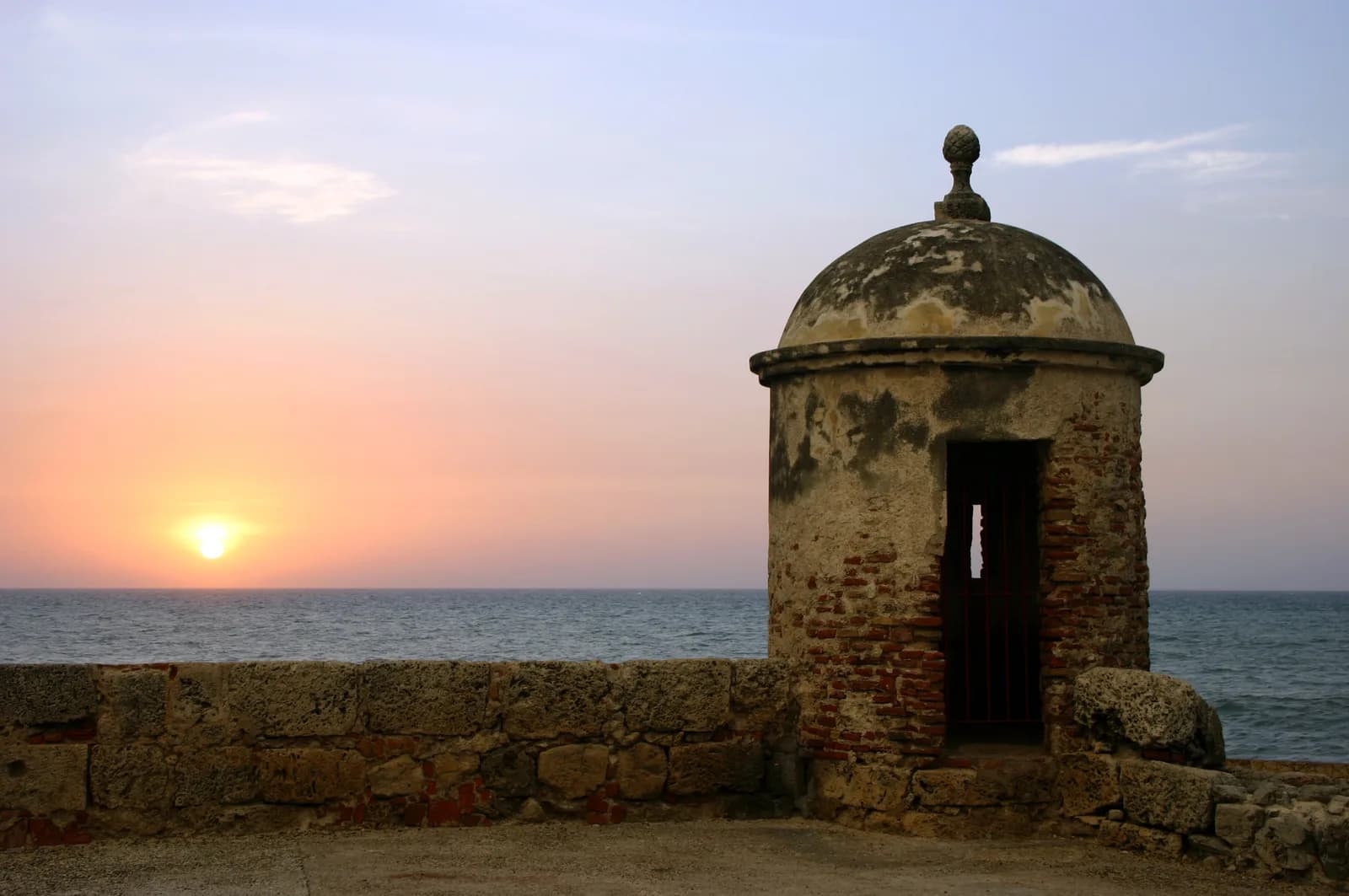
The map is simpler than the guidebooks make it. The old city sits on a small peninsula wrapped in 400-year-old stone walls, split into two halves: Centro, with the cathedral, Plaza Santo Domingo and the flower-heavy balconies from every photo, and San Diego, the quieter grid in the northeast corner near Las Bóvedas. Everything inside the walls is walkable in minutes.
Just across a short park sits Getsemaní, the old working-class barrio turned street-art and nightlife quarter. South of both, a narrow arm of land runs out into the Caribbean as Bocagrande, a wall of white high-rises that reads more Miami than colonial Spain. East of Getsemaní, over a bridge, the residential island of Manga holds the marina and a lot of ordinary Cartagena life. The San Felipe fortress guards the landward approach, and the boat docks for the Rosario Islands sit at the Muelle de la Bodeguita just outside the walls.
Two facts shape every decision. First, the heat: 31 to 32 degrees nearly every day of the year, with humidity that recent visitors describe as the defining memory of the trip. Second, the city beaches are grey-sand and vendor-dense, so the swimming you came for happens by boat. Base yourself for walking and eating, not for the beach, unless the beach is genuinely the whole point.
The day trips worth building in
Cartagena's best water and its biggest fort both sit outside the walls, and they are what stretch a two-day city into a four-day trip. For the full tour-by-tour breakdown, comparing the island options, the sunset sails and the walking tours, see my things to do in Cartagena guide.
Three things worth booking
 Traveler favourite
Rosario Islands boat day
The clear-water day everyone comes for, about an hour offshore. Pay a little more for a catamaran or a beach club stop instead of the cheapest party boat, and bring the 25,000-peso park tax in cash.
Book this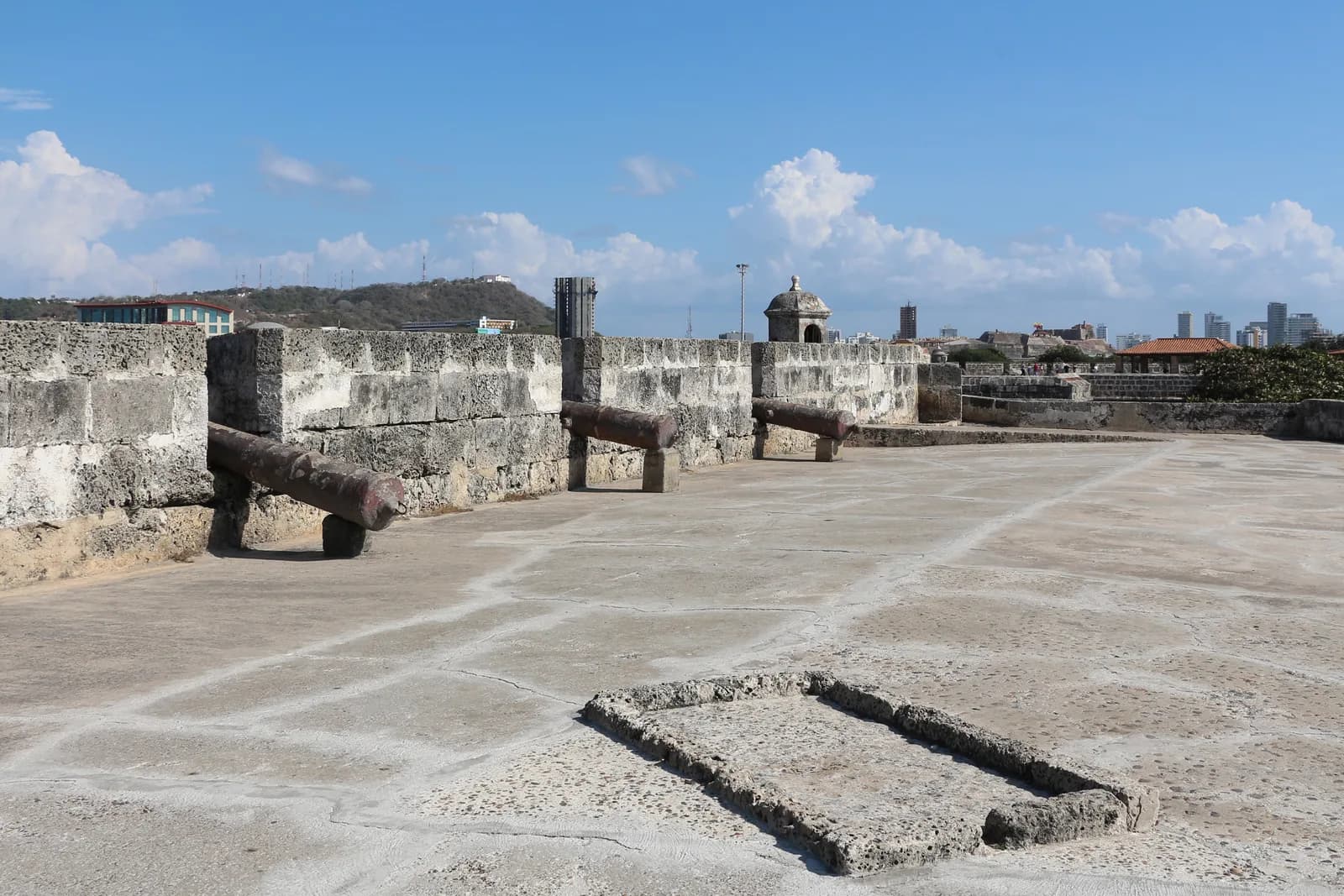 First-morning move
Walled city and Getsemaní walking tour
Do this early on day one, before the heat builds, and the rest of the trip makes sense: the walls, the plazas, the street art and the history behind both halves of the old town.
Book this Golden hour
Sunset sail on the bay
A two-hour cruise past the skyline and the old city as the light goes gold, most boats with a drink included. Standard sails run about 85,000 to 95,000 pesos plus a small marine tax.
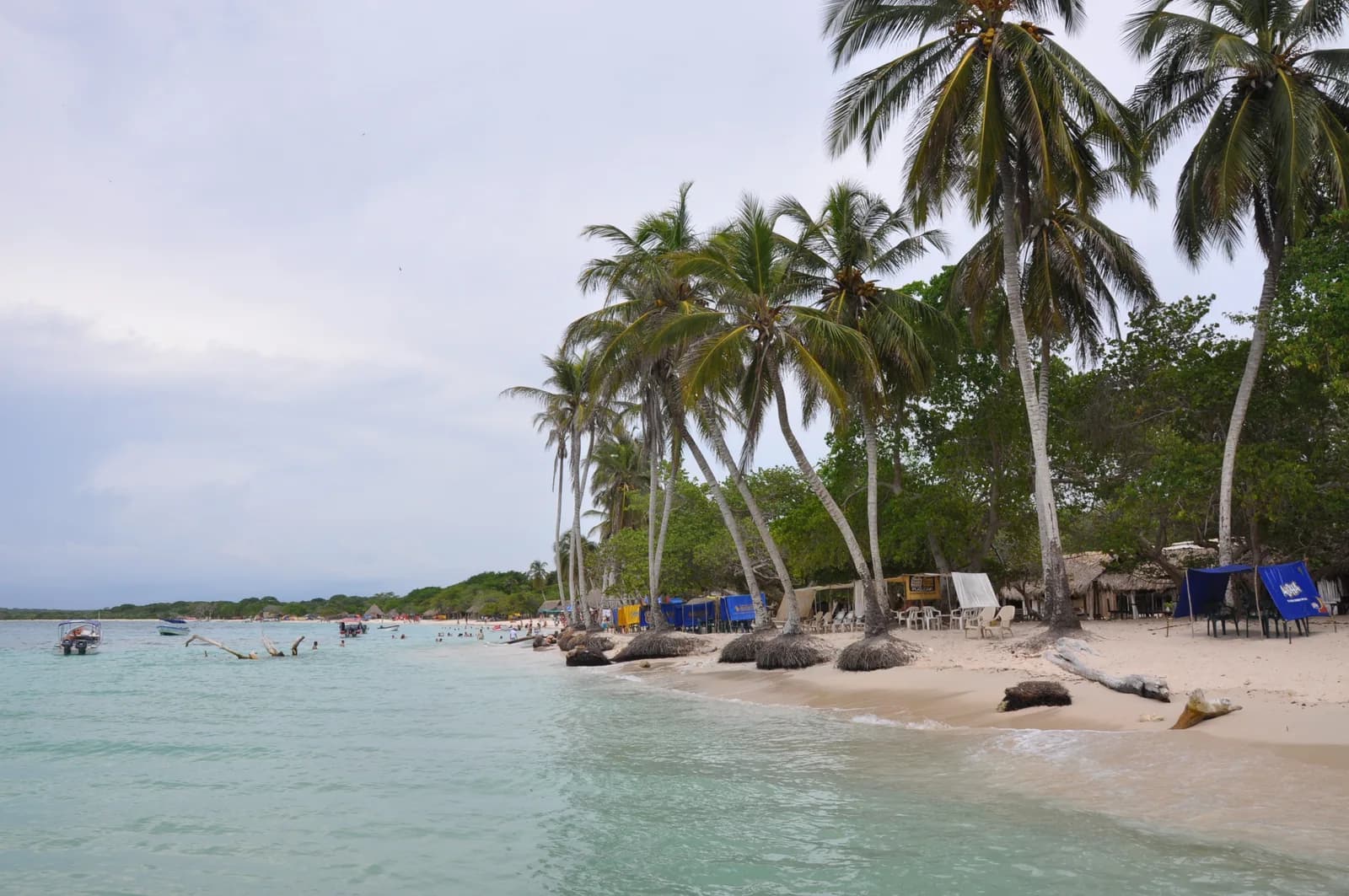
Book thisThe Rosario Islands are the non-negotiable one. This is a national park archipelago of small coral islands about 45 minutes to an hour offshore, and it is where the turquoise water actually is. The market splits into shared speedboat tours that hop several islands with lunch included, roughly 150,000 to 250,000 pesos per person, and calmer catamaran day sails around $99 that travelers rate among the best-run experiences in the city. Everyone pays the park entry tax, about 25,000 pesos, in cash on top. The recurring warning in recent reports concerns Playa Blanca on Barú: the sand is genuinely white, but between about 10am and 3pm it fills with day-trip crowds and some of the most persistent vendors in Colombia. Either go early, pick a tour that uses a private beach club instead, or stay a night and have the beach after the boats leave.
Back on land, the Castillo de San Felipe de Barajas is the largest fort the Spanish ever built in the Americas, and the tactical advice from recent visitors is unanimous: be there when it opens, because the stone holds no shade and the midday climb is brutal. Foreign adult entry runs about 50,000 pesos, with an audio guide extra, or you can fold it into a guided fortress and city tour that handles transport. The sunset sail is the one I would not have expected to recommend from research alone, but it keeps earning its place in trip reports: two hours on the bay, the walls and the Bocagrande towers in one view, and the only reliably cool hour of the day turned into the main event.
What you are really here to eat
The food is the part of Cartagena I have thought about most, because coastal Colombian cooking is its own thing, Caribbean rather than Andean, and the recent reports read like a running argument about fried corn and fish.
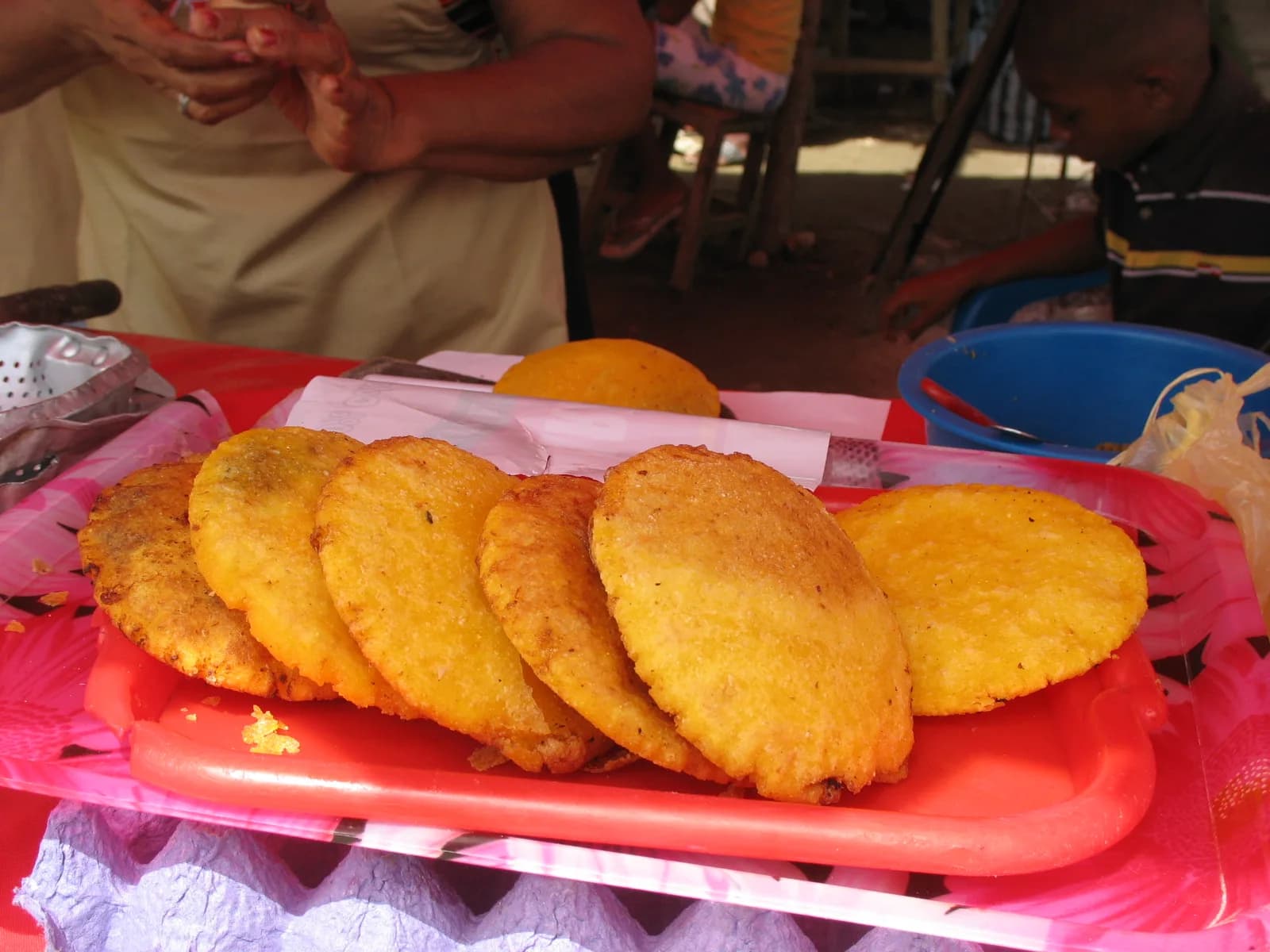
Start with the arepa de huevo, a corn cake deep-fried, split, filled with a whole egg and fried again. The carts around Plaza de la Trinidad in Getsemaní and the stalls of Bazurto market are where travelers keep finding the good ones, eaten standing up with a bag of limonada de coco, the blended coconut-and-lime drink that shows up in nearly every trip report as the thing people miss most when they leave. Ceviche is the other pillar, and La Cevichería in San Diego, the small spot Anthony Bourdain filmed years ago, still draws lines for its shrimp cocktail. Coming from a Japanese family, I hold strong opinions about raw fish, and the citrus-cured Caribbean style is a different art form entirely; I want to compare them in person someday, ideally back to back with the Peruvian school I wrote about in my Lima neighborhood guide.
At the top end, Celele in Getsemaní has spent years on the Latin America's 50 Best list for tasting menus built entirely from Colombian Caribbean ingredients, and it books out well ahead in high season. Between the two extremes sit posta negra cartagenera, beef braised black and sweet with panela, and cazuela de mariscos, the coconut seafood stew. A guided street food crawl through Getsemaní and the market on the first evening is the efficient way to learn the map, then spend the rest of the trip going back for favourites.
Where to stay in Cartagena, neighborhood by neighborhood
Here is the honest menu, ordered from most atmospheric to most practical, with the trade-offs recent travelers keep flagging.
Three places to book in Cartagena
SplurgeSofitel Legend Santa Clara
The luxury pick travelers keep naming: a restored 17th-century convent inside the walls, with courtyard gardens, a serious pool and the best-reviewed service in the old city.
Check availability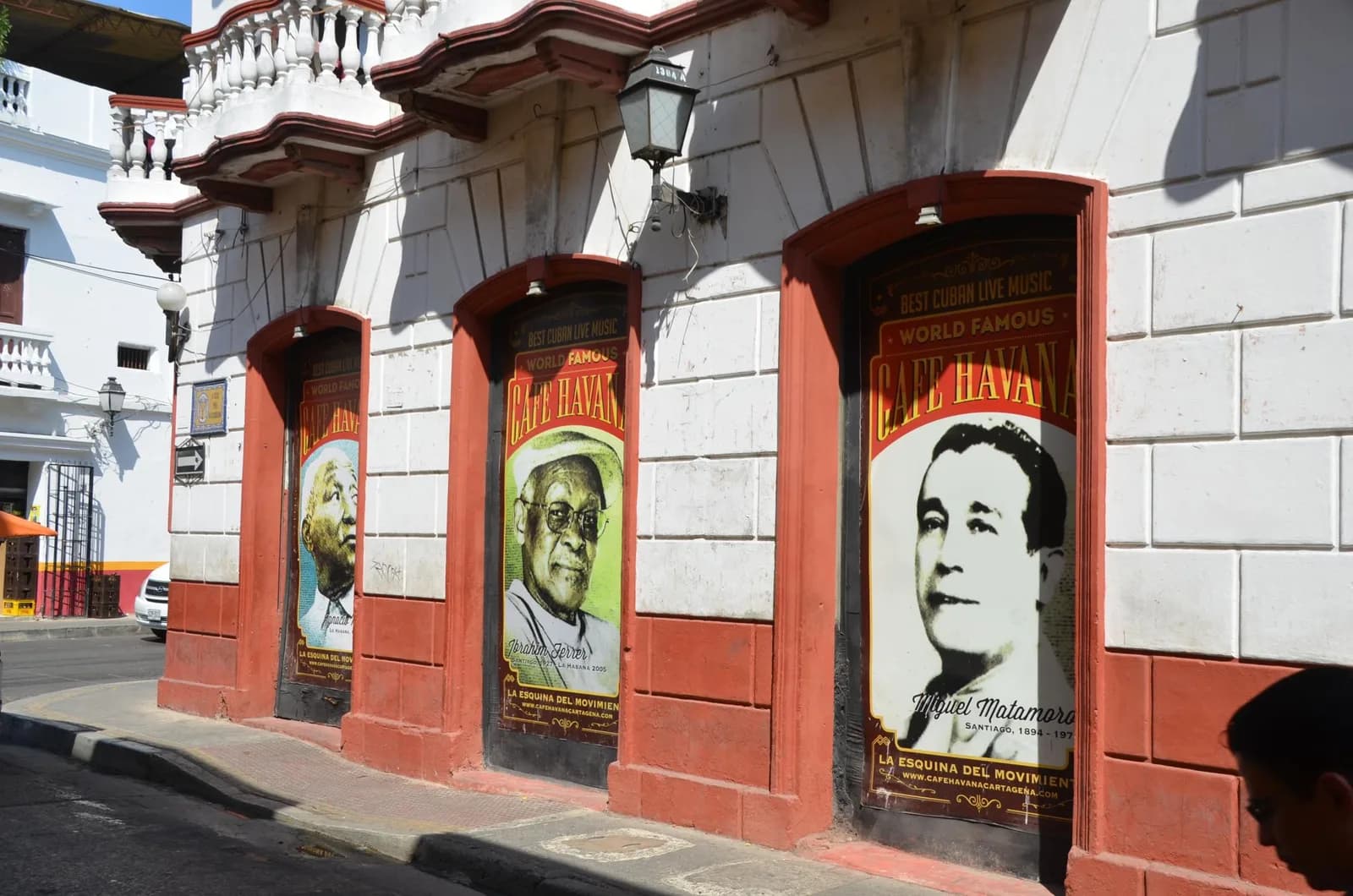 Best value
Hotel Monterrey
A mid-range standby facing the Clock Tower, one block from both the walled city and Getsemaní, with a rooftop pool guests rate for its old-town view. Around $107 a night in recent listings.
Check availability Beach resort
Hotel Caribe by Faranda Grand
Cartagena's original 1945 beach hotel, now under Radisson, with tropical gardens, a huge pool and a beach club. Reviewers love the grounds and note some rooms show their age.
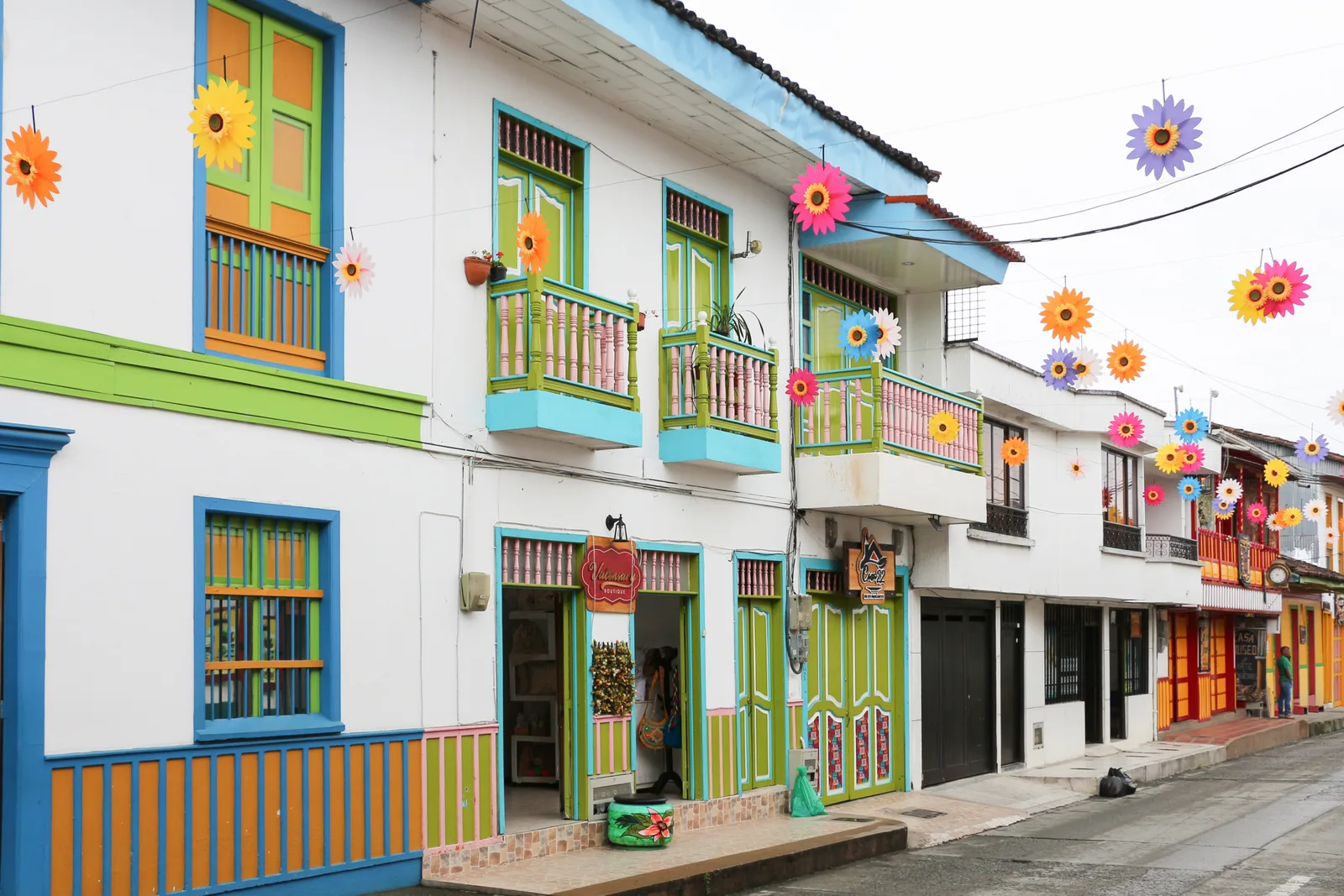
Check availabilityCentro is the postcard, and the postcard is real: balconies dripping bougainvillea, plazas that turn into open-air living rooms after dark, and every landmark within a ten-minute walk. Stay in Centro if this is a first trip or a romantic one and the budget can stretch, because the historic center carries the highest nightly rates in the city. The catches are noise from bars and late-night music on some blocks, and the sheer density of cruise-day crowds around Plaza Santo Domingo. Colonial buildings also mean quirky rooms, so read recent reviews for the words "interior" and "window."
San Diego is my answer to the noise problem, the calmer northeast corner of the same walled city. It keeps the architecture and the walkability, adds the restaurant cluster around Plaza San Diego and the artisan shops in the Las Bóvedas vaults, and drops most of the party. Stay in San Diego if you want to sleep inside the walls and actually sleep. This is where the Sofitel Legend Santa Clara sits, the converted convent that recent luxury reviews keep calling the best address in the city.
Getsemaní is where I would personally book first. The old barrio just outside the walls has become the street-art, hostel and boutique quarter, with evenings that gather around Plaza de la Trinidad: arepa carts, dancers, half the neighborhood out on plastic chairs. Rooms cost noticeably less than inside the walls, and travelers describe it as safe and lively where a decade ago it was neither. Stay in Getsemaní if atmosphere beats polish for you, and pack earplugs, because quiet hotels are genuinely hard to find here. A Four Seasons has long been slated for the neighborhood's edge, which tells you where the prices are heading.
Bocagrande is the practical outlier: a strip of modern high-rise hotels and apartments along the city beach, ten minutes by taxi from the walls. The rooms are newer, colder (air conditioning that actually wins) and better value per square meter than anything colonial, which is why families and longer stays end up here. The trade-off is character. Recent visitors are blunt that the grey-sand beach, with its rows of plastic chairs and nonstop vendors, is not the Caribbean fantasy, and that evenings feel like a generic resort district. Stay in Bocagrande if pool, space and a beach at the door matter more than waking up in the old city.
Manga is the local's option, a leafy residential island across the bridge from Getsemaní with the marina, some republican-era mansions and apartment stays at the lowest prices of the central zones. There is little to "do" in Manga itself, and you will walk 15 to 20 minutes or take short taxis to everything. Stay in Manga for a longer, quieter, cheaper base once you already know the city.
| Zone | Best for | Vibe | Price tier | Watch out for |
|---|---|---|---|---|
| Centro | First-timers, romance | Colonial showpiece | High | Bar noise, cruise crowds |
| San Diego | Sleeping inside the walls | Colonial, calmer | High | Fewer budget options |
| Getsemaní | Atmosphere and nightlife on a budget | Street art, plaza life | Budget to mid | Noise, thin quiet-room stock |
| Bocagrande | Families, beach-and-pool stays | Modern high-rise strip | Mid | Grey beach, pushy vendors, no charm |
| Manga | Long stays, repeat visitors | Residential, marina | Budget to mid | Nothing at the door |
If you want one recommendation to stop the scrolling: first trip, put the money into San Diego or Centro and stay inside the walls, because the walk-everywhere mornings and evenings are the entire point of Cartagena. If the budget says no, Getsemaní with earplugs is the better compromise than Bocagrande, unless a swimmable pool and a beach at the door are what your group actually needs.
Getting there and getting around
Rafael Núñez International sits absurdly close to town, about 15 minutes from the walled city on a normal traffic day. Official taxis run roughly 20,000 to 35,000 pesos to Centro or Getsemaní; use the fare kiosk in the arrivals hall, which prints a fixed-price ticket for your destination so there is no negotiation at the curb. Uber and InDrive both operate and often undercut the taxi rate. Cartagena has direct flights from several US hubs plus constant cheap connections through Bogotá and Medellín, and it is worth comparing routes into Cartagena since the domestic legs can be startlingly cheap.
In town, your feet cover the old city and Getsemaní, and taxis fill the gaps for a few thousand pesos, but note that Cartagena's taxis have no meters. Agree the fare before you get in, or use the apps, where the price is fixed up front. The one boat logistic worth knowing in advance: Rosario Island tours leave from the Muelle de la Bodeguita dock near the Clock Tower, usually between 8 and 9am, so an old-city or Getsemaní base makes island mornings painless.
A simple three-day base plan
Day one is the old town before the heat. Walking tour of Centro and Getsemaní in the morning, a long lunch, a siesta in the air conditioning through the worst of the afternoon, then the city walls for sunset and Plaza de la Trinidad for street food after dark. Day two is the Rosario Islands, boat out around 8:30am, back by late afternoon, an easy dinner in San Diego. Day three starts at the San Felipe fortress when the gates open, cools off over a Bazurto or Getsemaní food crawl at midday, and ends on the water with the sunset sail. Every piece of that plan works from a walled-city or Getsemaní base without a single long transfer, and that is the argument for staying central in one sentence.
When to go
Cartagena is hot year-round, 31 to 32 degrees nearly every day, so the real variables are rain, breeze and price. December through April is the dry season, when trade winds make the heat livable, and it is peak season accordingly, with late December and New Year the most expensive week of the year. Recent reports point to mid-February through mid-March as the sweet spot: dry, breezy, and past the holiday crowds. May through November is the rainy season, which in practice means heavier humidity and short, hard afternoon downpours rather than washed-out days, with October and November the wettest. The reward for braving it is real: August-to-November rooms often cost half their high-season rates.
Practical notes I would tell a friend
- Build your days around the heat: sights from 7 to 10am, pool or siesta through midday, back out after 4pm.
- Carry small peso bills for arepa carts, beach chairs and the island park tax, which is cash-only.
- Agree every taxi fare before getting in, or use Uber or InDrive where the price is fixed.
- A firm, smiling "no, gracias" is a complete sentence with beach and street vendors; expect to say it often, especially in Bocagrande and Playa Blanca.
- Photos with the palenqueras, the fruit-basket women in the plazas, are a paid transaction, so agree the tip first.
- Book dry-season rooms weeks ahead, and New Year stays months ahead.
- Pack earplugs for Getsemaní and ask for a courtyard-facing room anywhere in Centro.
- Skip swimming at the city beaches and save the water time for the islands.
- Reserve Celele well before you fly if a big Caribbean tasting menu is on your list.
Cartagena is a city that changes fast, with hotel openings and beach rules shifting every season. If you have been more recently and something here has moved, tell me and I will update it. And if Cartagena is one stop on a wider South America run, I have broken down where to stay in Lima the same way, plus the Lunahuaná adventure weekend that pairs with it. But if you are booking now: sleep inside the walls or just outside them in Getsemaní, do the islands on a proper boat, and let the sunset sail be the reward for surviving the afternoon heat.
Frequently asked
Which area of Cartagena is best for first-time visitors?
The walled city, meaning Centro or the quieter San Diego corner. You can walk to almost every sight, restaurant and plaza, and you only leave the walls for the fortress and the islands. The trade-off is price, since the historic center carries the highest room rates in the city, so budget travelers usually land in Getsemaní next door.
Is Getsemaní safe to stay in?
Recent visitors consistently describe Getsemaní as safe and well-trafficked, a big shift from a decade ago. The usual advice still applies: keep your phone out of sight on quiet streets, skip the loneliest blocks late at night, and expect persistent vendors rather than real trouble. Noise from bars is the more common complaint.
How many days do you need in Cartagena?
Three to four. One day for the walled city and Getsemaní on foot, one full day for the Rosario Islands, and one for the San Felipe fortress, the food and a sunset sail. Beach-focused travelers often add a night on Barú or the islands rather than a fourth city day.
When is the best time to visit Cartagena?
December to April, the dry season, when breezes take the edge off the heat. Mid-February to mid-March is the sweet spot of good weather and thinner crowds, while late December spikes to the highest prices of the year. October and November are the wettest months, though rain usually comes as short afternoon downpours.
Are the Rosario Islands worth a day trip?
Yes, and they are the clearest water you will reach from Cartagena, since the city's own beaches are grey and vendor-heavy. Shared boat tours with lunch run roughly 150,000 to 250,000 pesos, catamaran day sails about $99, and everyone pays a national park tax of around 25,000 pesos in cash. Book something with a beach club stop rather than the cheapest party boat.
How do you get from Cartagena airport to the walled city?
Rafael Núñez International sits about 15 minutes from the old town, one of the shortest airport runs in Latin America. Official taxis cost roughly 20,000 to 35,000 pesos; use the fare kiosk in arrivals so the price is fixed before you get in. Uber and InDrive also work and are often cheaper.
Do you need cash in Cartagena?
Cards are fine at hotels and sit-down restaurants, but the best of Cartagena runs on small pesos: arepa carts, fruit from the palenqueras, beach chairs, the island park tax. Carry small bills, since street vendors rarely break a 50,000 note.