Where to Stay in Medellín: El Poblado, Laureles and the Local Picks
Which Medellín neighborhood to book, from El Poblado and Laureles to Envigado and Sabaneta, with honest 2026 notes on noise, nightlife, safety and metro access.
Medellín has an unusual problem for a traveler: the neighborhoods are so different from each other that picking the wrong one can quietly reshape your whole trip. Sleep in the party heart of El Poblado and you get reggaeton until three; sleep in Laureles and you get tree-lined streets and a bakery you will miss when you leave. Which zone suits which trip is not actually a hard question once you know the city, and neither is the safety picture, which is both far better than Medellín's reputation and still worth taking seriously. This is the version of the stay I would book, starting with the honest trade-offs between the neighborhoods.
The short answer, for anyone deciding with the tab already open: the best area to stay in Medellín is the Manila pocket of El Poblado for a short first visit, Laureles for anything longer than a few days or a more local feel, and Envigado or Sabaneta for slow, budget-friendly stays — never El Centro overnight.
| Area | Best for | Typical price per night | Named pick |
|---|---|---|---|
| El Poblado | Short first visits, walkable nightlife | Roughly 40 percent above Laureles | The Click Clack Hotel (design), Patio del Mundo (quiet) |
| Laureles | Longer stays, nomads, local feel | Better value than El Poblado | The Wandering Paisa |
| Envigado | Families, slow travelers | Cheaper than the big two | Base near Calle de la Buena Mesa |
| Sabaneta | Long budget stays, small-town feel | Roughly 20 percent below El Poblado | Expect a 30–35 minute commute to Poblado |
| El Centro | Daytime visits only | Cheap hotels, cheap for a reason | Do not sleep here |
How Medellín actually lays out
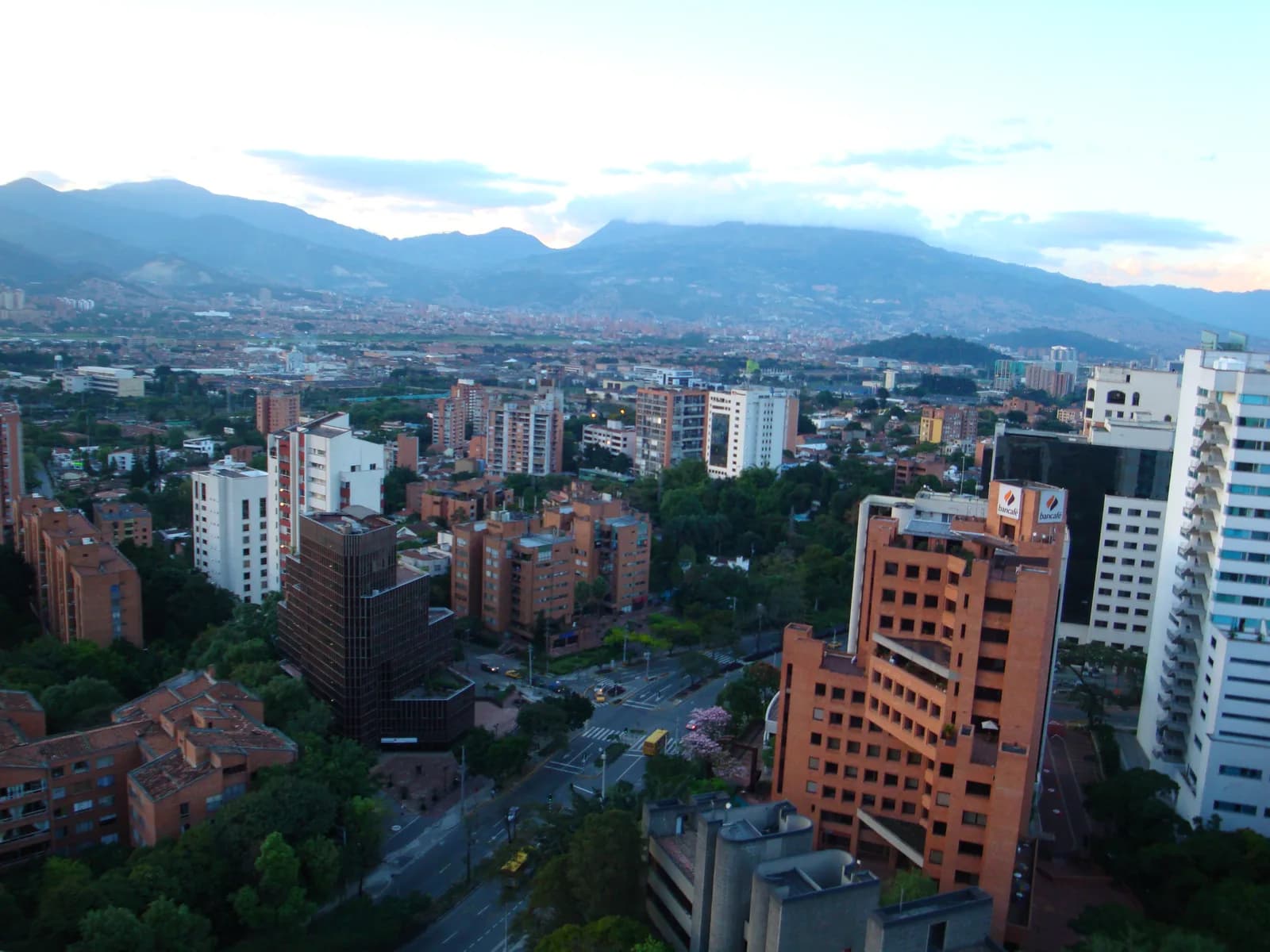
Medellín runs along a valley floor with the Aburrá River and the metro down its spine, and the neighborhoods climb the sides. The two names every traveler weighs are El Poblado and Laureles, both south and west of the center. El Poblado is the hilly, upscale, tourist-heavy south: hotels, rooftop bars, the Provenza restaurant strip and the Parque Lleras party zone, all steep enough that a walk from the metro station is a real climb. Laureles, across the valley, is flat, gridded, greener and far more residential, built around the Estadio and Floresta metro stations and the La 70 bar street.
Beyond those two, the value spreads outward. Envigado and Sabaneta are separate municipalities to the south, quieter and cheaper, where you live among locals and commute in. El Centro, the historic core, is essential to visit and, by unanimous recent consensus, not a place to sleep. The thing to hold onto is that this is a metro city with excellent cable cars, so a slightly cheaper neighborhood near a station is often smarter than an expensive one you have to taxi out of. The climate helps too: at around 1,500 meters, Medellín sits in the eternal spring everyone mentions, 17 to 28 degrees year-round, so no neighborhood is ruled out by heat.
The safety picture, honestly
This deserves its own section because the reports are so consistent, and because the truth sits between two extremes. The good news is real: Medellín logged its lowest homicide rate in roughly eighty years heading into 2025, and long-term residents in the 2026 forums describe years without incident. The narco-era fear is out of date.
The risks that remain are specific. Phone snatching by pairs on motorbikes is the number one tourist crime, concentrated where people walk distracted along the main avenues of El Poblado. More seriously, drink-spiking and scopolamine robberies tied to dating apps and nightlife are a genuine, documented danger, enough that the US State Department reissued a Level 3 advisory in March 2026 naming dating-app lures in Medellín specifically, after a gang was arrested in 2025 for drugging and robbing more than twenty tourists. The local phrase for the mindset that avoids all of this is no dar papaya, roughly "don't hand out the papaya," meaning don't make yourself an easy target. In practice: keep your phone out of sight on the street, use a ride-hail app or a venue-called taxi after dark even in Poblado, never bring a first date back to your accommodation, and never leave a drink unattended. Follow that and Medellín feels like the normal big city it now is.
Things worth building a day around
Before the neighborhoods, the reason you came. Medellín's signature days are Comuna 13, a day trip to Guatapé, and riding the Metrocable up the valley wall, and all three are easy to book.
Three things worth booking
 Traveler favourite
Comuna 13 graffiti tour
The outdoor escalators, murals, breakdance and street food of the city's most-transformed neighborhood. Go on a weekday morning; it is genuinely over-touristed on weekends, and guides ask you not to photograph residents.
Book this Worth the drive
Guatapé and El Peñol day trip
The 708-step climb up the Piedra del Peñol over a maze of reservoirs, plus the painted town of Guatapé. Two hours each way, so it fills a day; the DIY bus from Terminal del Norte is cheap if you skip the tour.
Book this Best value
Metrocable and Parque Arví
Ride Line K up the valley wall on a normal metro fare for the cheapest view in the city, then Line L on to the Arví forest park. The cable cars are public transit, not a tourist attraction, and all the better for it.
Book thisComuna 13 is the one to time carefully: the escalators and murals are remarkable, but weekends are crushing, so go on a weekday morning, tip your guide the usual fifteen dollars or so, and follow the request not to photograph residents. Guatapé is a full-day commitment two hours out, and you can do it far cheaper by taking the bus from Terminal del Norte and climbing the rock independently rather than joining a tour. The Metrocable is the sleeper hit: it is genuinely just the public transit system, but riding Line K up over the hillside barrios for the price of a metro ticket is the best-value hour in Medellín, and Line L continues to the Arví forest park for a small extra fare.
Where to stay in Medellín, neighborhood by neighborhood
Here is the honest menu, ordered from most tourist-ready to most local, with the trade-offs recent travelers keep flagging.
Three places to book in Medellin
 Local budget
The Wandering Paisa
A long-running Laureles guesthouse a block from La 70, with free salsa classes and language exchanges. The easy way into the flat, local neighborhood that repeat visitors and nomads prefer.
Check availability Design pick
The Click Clack Hotel
A design hotel on the edge of Provenza with a rooftop pool, walking distance to the best of El Poblado's restaurants and nightlife. Book a high floor; this is the party quarter.
Check availability Quiet luxury
Patio del Mundo
A small garden boutique hotel a few minutes from Provenza but tucked away from the noise, for travelers who want El Poblado's access without its volume.
Check availabilityStay in El Poblado if this is a short first visit and you want restaurants, rooftops and nightlife within a walk. Within it, the Manila pocket is the sweet spot for sleep quality, residential and close to the Poblado metro, while Provenza is the polished restaurant strip and Parque Lleras is the loud party core you visit and leave. The trade-offs are price, roughly 40 percent above Laureles, the reggaeton until the small hours near Lleras, and the after-dark pickpocketing that follows tourist crowds. Book in Manila or on a high floor, not over a bar.
Stay in Laureles if you are here longer than a few days or want the local, liveable version of Medellín. It is flat, walkable, tree-lined and full of the cafés, bakeries and menu-del-día lunch spots that make it the digital-nomad and repeat-visitor favorite, with easy metro access from Estadio and Floresta. The party pocket is La 70, so sleep a few blocks off it. You give up El Poblado's density of rooftop bars, and most people who make the switch do not miss them.
Stay in Envigado if you want to live like a local: a separate, green, traditional municipality that recent guides rate among the safest in the metro area, cheaper than the big two, with the restaurant-lined Calle de la Buena Mesa as its anchor. It suits families and slow travelers. You trade nightlife and a big coworking scene for calm and value, and you will take short cabs from the metro station.
Stay in Sabaneta if you are on a longer, budget stay and want the small-town feel, roughly 20 percent cheaper than El Poblado, at the southern end of the metro. The trade is distance: you will commute 30 to 35 minutes to the Poblado action, and English is thinner here. It rewards long-stayers maximizing value over anyone here for a fast weekend.
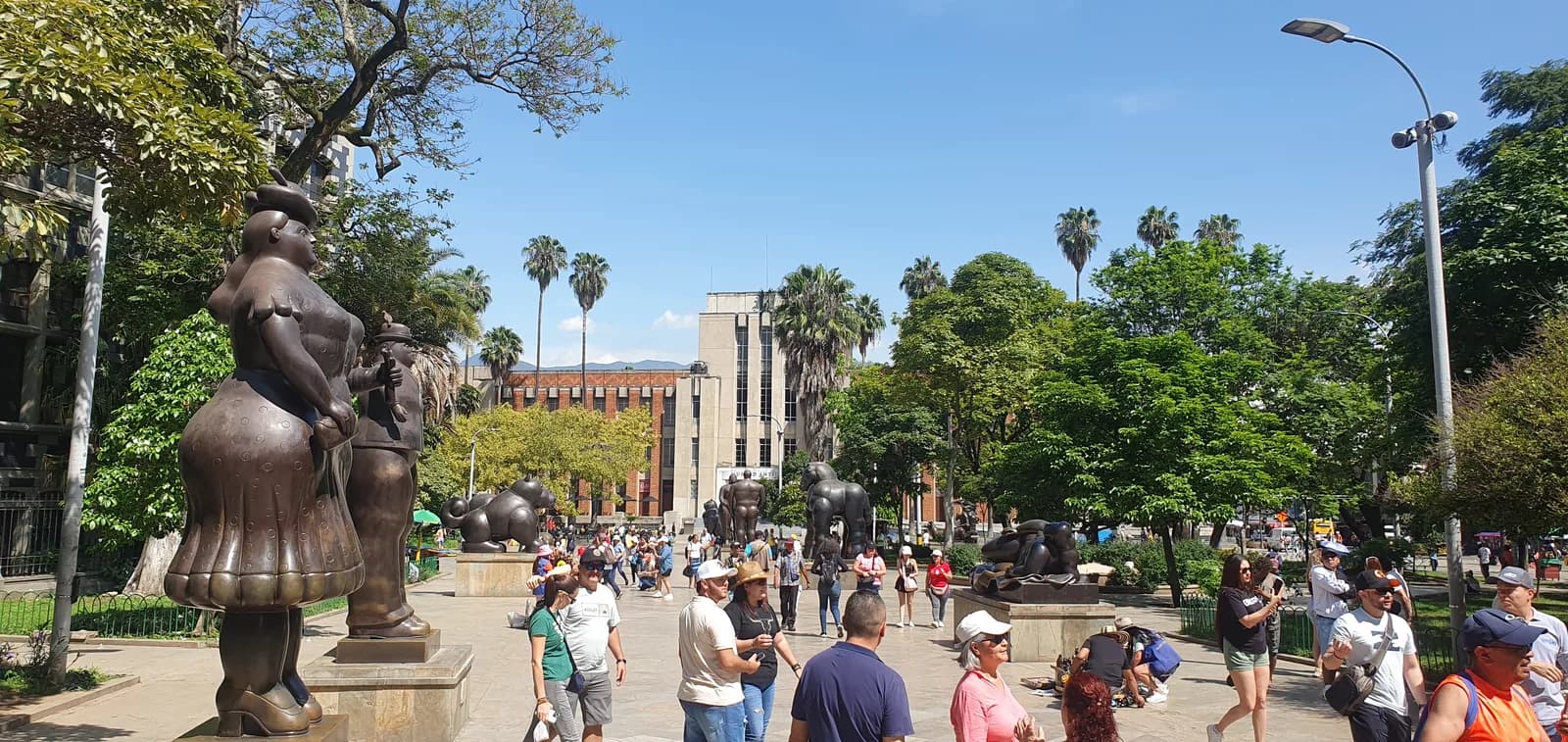
Do not sleep in El Centro. Visit it by day for Plaza Botero and the Real City walking tour, then leave before dark; the 2025 to 2026 consensus is unanimous that its cheap hotels are cheap for a reason. Belén, west of Laureles, is a real-Medellín budget option worth a look for long-stayers, but it has little short-stay hotel inventory.
If you want one line to stop the scrolling: first short trip, book Manila in El Poblado; longer stay or a more local feel, book Laureles. If Medellín is one stop on a wider Colombia route, I have covered the coast the same way in my where to stay in Cartagena guide and the things to do in Cartagena guide.
Getting there and getting around
José María Córdova airport sits 25 to 40 minutes from the city through the Oriente tunnel. The simplest arrival options are the flat-rate official white taxi at around 118,000 pesos, the licensed Combuses shuttle to the San Diego mall for about 20,000 pesos every 15 minutes, or a shared colectivo taxi at roughly 27,000 to 32,000 pesos per person; ride-hail apps work but draw police enforcement at the airport, so save them for later. If you are still choosing flights into Medellín, it is worth comparing routes and fares since Colombian domestic and regional connections vary a lot.
Once you are settled, the metro is the city's pride and the easiest way around, running from about 4:30am to 11pm on weekdays for under 4,000 pesos a ride, with unwritten etiquette that locals take seriously: no eating, queue properly, watch your pockets at rush hour. Between the metro, the cable cars and cheap ride-hailing, you rarely need more. A day-of-the-week note worth planning around: the two rainy seasons run roughly April to May and September to November, and the showers are usually short, so plan mornings out and keep a light layer for the evenings.
Practical notes I would tell a friend
- Match the neighborhood to the trip: Manila or Provenza in El Poblado for a short first visit, Laureles for anything longer.
- Follow no dar papaya: phone out of sight on the street, ride-hail after dark, and treat dating-app meetups with real caution.
- Book a few blocks off Parque Lleras and La 70 unless you specifically want to be inside the noise.
- Visit El Centro by day for Plaza Botero and the walking tour, and do not book a hotel there.
- Do Comuna 13 on a weekday morning and Guatapé as a full day, ideally by cheap public bus.
- Use the metro and Metrocable as sightseeing on a transit fare, and carry a Cívica card for the small discount.
- Eat the menu del día lunch, roughly 15,000 to 20,000 pesos for three courses, especially in Laureles and Envigado.
Medellín is a city whose nomad map and safety picture both keep shifting year to year. If you have been recently and something here has changed, tell me and I will update it. But if you are booking now: pick Manila in El Poblado for a short first trip or Laureles for a longer, more local one, respect the no-dar-papaya rules after dark, and let the metro carry you between the neighborhoods the city does so well.
Frequently asked
Which neighborhood should I stay in in Medellín?
El Poblado for a first, short visit if you want walkable nightlife and comfort, Laureles for anything longer than five days or if you want a flatter, more local, food-and-coffee neighborhood, and Envigado or Sabaneta for slow, budget-friendly stays that feel like real paisa life. Most first-timers pick El Poblado; most repeat visitors and long-stayers move to Laureles.
Is El Poblado or Laureles better for staying in Medellín?
El Poblado is more polished, more touristy and roughly 40 percent pricier, with the trendy Provenza restaurant strip and the party core at Parque Lleras. Laureles is flatter, greener, quieter and more residential, with better-value food and an easy metro walk from Estadio. Short trip and nightlife, choose El Poblado; longer stay and local feel, choose Laureles.
Is Medellín safe for tourists in 2026?
Medellín is much safer than its reputation, with homicides at multi-decade lows, but two real risks persist: phone snatching by motorbike pairs, and drink-spiking or scopolamine robberies linked to dating apps and nightlife, which the US State Department specifically warns about. The local rule is no dar papaya, don't make yourself an easy target: hide your phone, ride-hail at night, never take a first date to your accommodation, and never leave a drink unattended.
Should I stay in El Centro Medellín?
Visit El Centro by day for Plaza Botero and the walking tour, but do not sleep there. Recent traveler consensus is unanimous that it has the city's highest petty-crime after dark, and every current guide steers overnight stays to El Poblado, Laureles, Envigado or Sabaneta instead, where hotels are barely more expensive and far more comfortable.
How do I get from Medellín airport to the city?
José María Córdova airport is 25 to 40 minutes from the city through the tunnel. Official white taxis are a flat rate of about 118,000 pesos, a licensed Combuses shuttle to the San Diego mall runs about 20,000 pesos every 15 minutes, and shared colectivo taxis are about 27,000 to 32,000 pesos per person. Ride-hail apps work but face police enforcement at the airport, so the taxi or shuttle is simpler on arrival.
How many days do you need in Medellín?
Three to four days covers the city and one big day trip: Comuna 13, the Metrocable and Parque Arví, Plaza Botero and the centro walking tour, plus a full day at Guatapé. Digital nomads and slow travelers stay weeks, which is exactly why Laureles and Envigado have become the long-stay favorites over hotel-heavy El Poblado.
Is Medellín good for digital nomads?
Yes, and the scene has visibly shifted from El Poblado to Laureles over the last couple of years. Laureles offers flat walkable streets, cafés set up for laptop work, better value and a more local feel, while still being a short metro ride from El Poblado's nightlife. Envigado and Sabaneta suit nomads who want to spend even less and stay longer.