Hong Kong to Shenzhen Border Crossings: All Seven Doors Compared, and Which One Your Day Actually Needs
Lo Wu, Futian, Shenzhen Bay, Liantang, Huanggang and the high-speed rail compared: opening hours, queues, payment and which crossing to pick in 2026.
Since the day-trip guide went up, the search queries landing on it have quietly changed shape. People are no longer asking whether Shenzhen is worth crossing for; they are asking about the border itself. Which crossing, open until when, how long is the queue, where does each one actually put me. Fair questions: Hong Kong and Shenzhen are joined by seven working land crossings plus a ferry, they close at four different times, and picking the wrong one can add ninety minutes to a fourteen-minute trip. This is the full comparison, current as of August 2026: one table up front, then the honest case for and against each door.
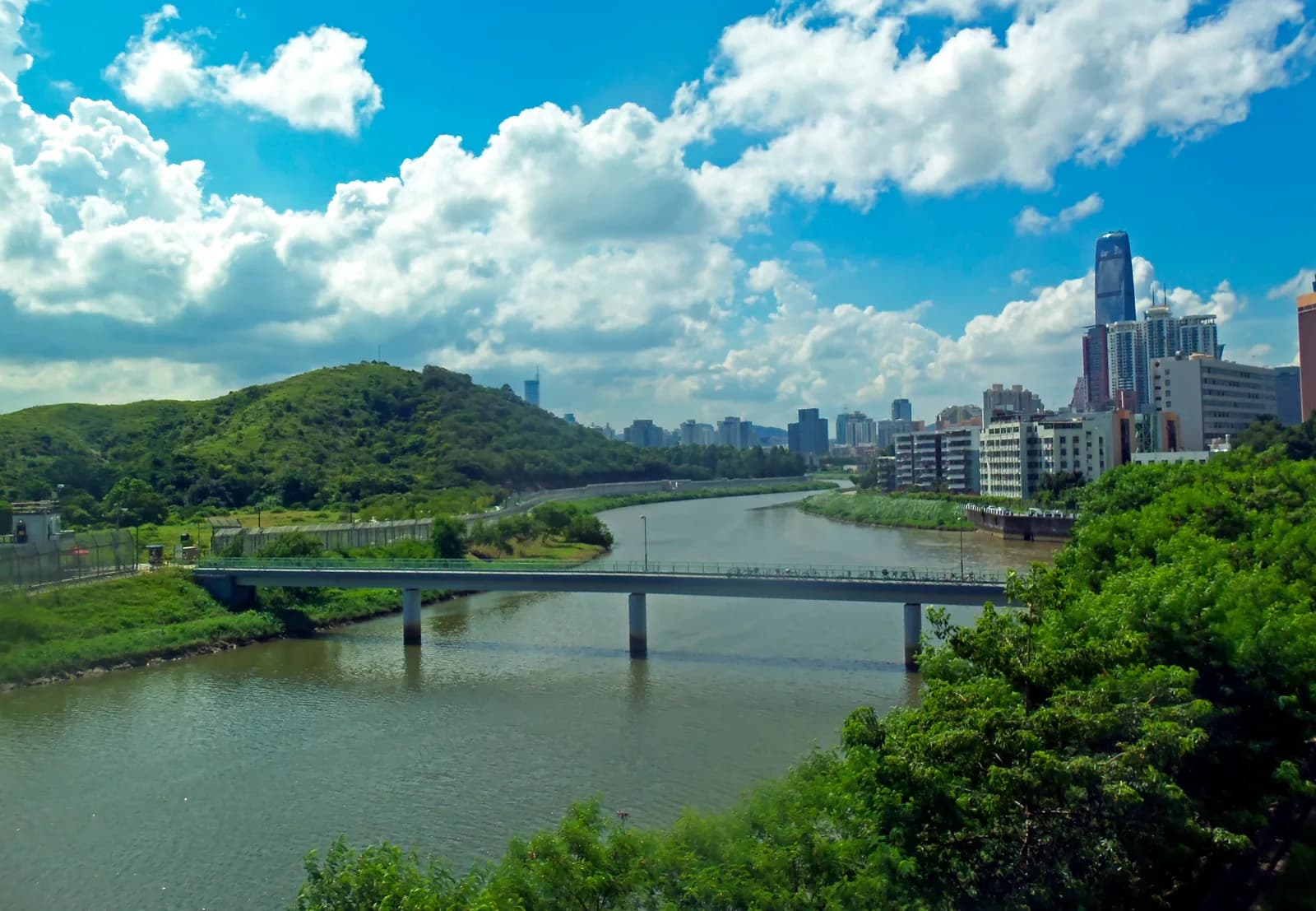
One thing before the table: your passport decides which doors are even available. Around 50 nationalities currently enter China visa-free for 30 days and can use any crossing here. If you are American, Indian, or otherwise not on that list, read the visa guide first, because the 5-day visa on arrival is issued at exactly three ports and none of them is the high-speed rail. From here on, the only decision is geography.
The seven doors at a glance
Shenzhen's government published a crossings guide in January 2026; combined with recent traveler reports, the picture looks like this:
| Crossing | Hours | Hong Kong side | Lands you at (Shenzhen) | Best for |
|---|---|---|---|---|
| West Kowloon HSR | Train timetable, roughly 7am–10:30pm | West Kowloon station, MTR Austin/Kowloon | Futian station, Lines 2/3/4/11 | Speed, central Futian |
| Lo Wu | 6:30am–midnight | East Rail terminus | Luohu, Line 1 (Line 9 nearby) | Dongmen, Luohu Commercial City, visa desk |
| Lok Ma Chau Spur Line | 6:30am–10:30pm | East Rail branch after Sheung Shui | Futian Checkpoint, Lines 4/10 | Quieter rail crossing into Futian |
| Huanggang | 24 hours | Cross-border coach or minibus only | Huanggang Checkpoint, Line 7 | Late-night and pre-dawn crossings |
| Shenzhen Bay | 6:30am–midnight | Buses B2/B2P (Yuen Long), B3/B3X (Tuen Mun), coaches | Line 13 Shenzhen Bay Checkpoint | Nanshan, Shekou, the west of the city |
| Liantang (Heung Yuen Wai) | 7am–10pm | Buses B7/B8/B9 via Sheung Shui/Fanling | Liantang Checkpoint, Lines 2/8 | Eastern Shenzhen, shortest queues |
| Wenjindu | 7am–10pm | Cross-border coach only | Line 9 Wenjin, 500m walk | Coach passengers, rarely tourists |
The Shekou ferry is the eighth route and the only one that floats; it mostly matters as one of the three visa-on-arrival ports. Now the detail.
West Kowloon high-speed rail: the default answer
For a visa-free passport heading to central Shenzhen, the high-speed train is the crossing to beat. Fourteen to eighteen minutes from West Kowloon to Futian station, HK$75 to 90 in second class, and the part that matters more than the speed: both exit and entry immigration are cleared inside West Kowloon before boarding, in one queue, under one roof. The train doors open on a station already in China, on top of metro Lines 2, 3, 4 and 11 in the middle of the CBD rather than at the city's edge.
The costs are real but manageable. The station wants a buffer: 45 to 60 minutes is the sensible arrival window on a weekday, more on weekends and for foreign passports at the manual counters, because ticket checks, security and the double immigration queue all come before the platform. The other catch is the evening return: the 7pm to 10:30pm departures out of Futian sell out two to three days ahead, so book both legs together rather than gambling on the day.
Who should not use it: anyone needing the 5-day visa on arrival, since West Kowloon has no visa desk, and anyone bound for Dongmen or Nanshan, where other doors land closer.
Lo Wu: the classic, for a reason and with a warning
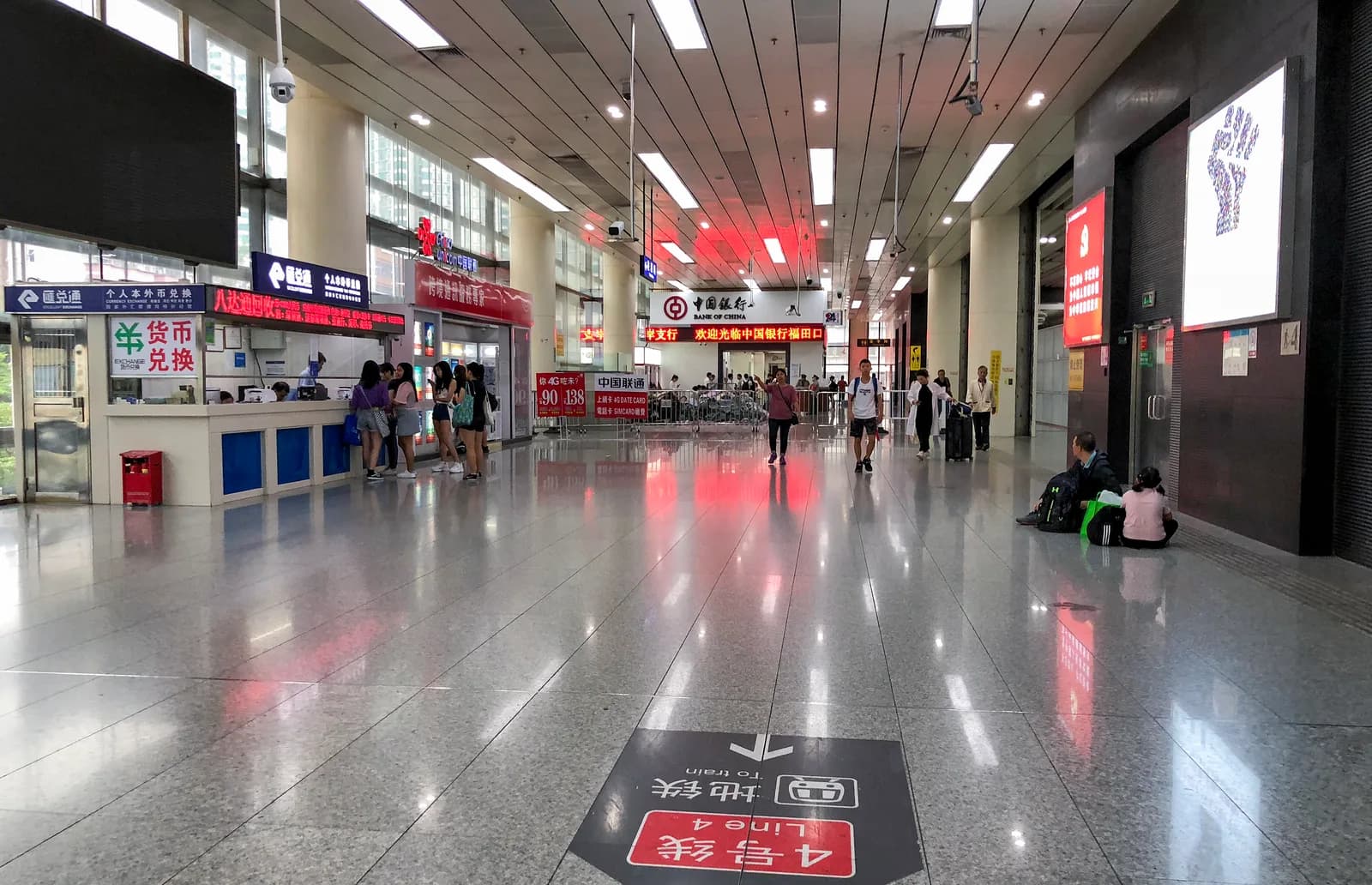
Lo Wu is the crossing everyone's parents used, the terminus of the MTR East Rail Line, and still the single busiest door: it logged over 165,000 passengers in one day during the May 2026 holiday crush. The ride from Admiralty runs 40 to 50 minutes and about HK$50 on Octopus, then a footbridge over the Shenzhen River into the Luohu port building. On the far side, Luohu station on Line 1 is directly below, with Line 9 at Renmin South a short walk away.
The case for Lo Wu is location and the visa desk. It lands you a ten-minute walk from Luohu Commercial City's bargaining floors and one metro stop from Dongmen's food streets, which is half of what a Shenzhen day is actually for, and it hosts the main 5-day visa-on-arrival desk.
The case against is the queue. Lo Wu absorbs the largest share of the 6-million-plus monthly crossings Hong Kong residents make, and on Friday evenings, weekends and any mainland holiday it degrades first and worst: reporting from the May 2026 Buddha's Birthday weekend described two to three hour waits and a traveler calling the crush unprecedented. On a quiet weekday morning the same building clears in twenty minutes. Timing is everything here, and there is a section on it below.
Lok Ma Chau Spur Line: the quieter rail twin
One stop before Lo Wu, the East Rail Line forks, and the other branch ends at Lok Ma Chau. A covered footbridge crosses the river to Futian Port, which feeds straight into Futian Checkpoint station on metro Lines 4 and 10. The control point runs 6:30am to 10:30pm, an hour and a half shorter than Lo Wu at night, and the last inbound train from Admiralty leaves at 9:29pm, so the evening margin is thinner than the port hours suggest.
What the spur line buys is breathing room. It was built specifically to relieve Lo Wu, and travelers keep reporting shorter lines for the same East Rail fare. It also lands better for most first-timers: Line 4 runs straight into central Futian and Line 10 covers Huaqiangbei's electronics markets. If your plan is the standard first-timer loop rather than Dongmen specifically, this is the door I would pick over Lo Wu almost every time. No visa desk, though.
Huanggang: the 24-hour door, mid-transformation
Huanggang is the answer to a specific question: what if I need to cross at 2am? It is the only round-the-clock passenger crossing between the two cities, which is why the cross-border coaches from Causeway Bay, Mong Kok and Tsim Sha Tsui still have a business, HK$60 to 150 depending on route and hour. There is no MTR on the Hong Kong side; access is coach, minibus or taxi. On the Shenzhen side, Huanggang Checkpoint station on Line 7 sits at the door, and the port holds one of the three 5-day visa-on-arrival desks.
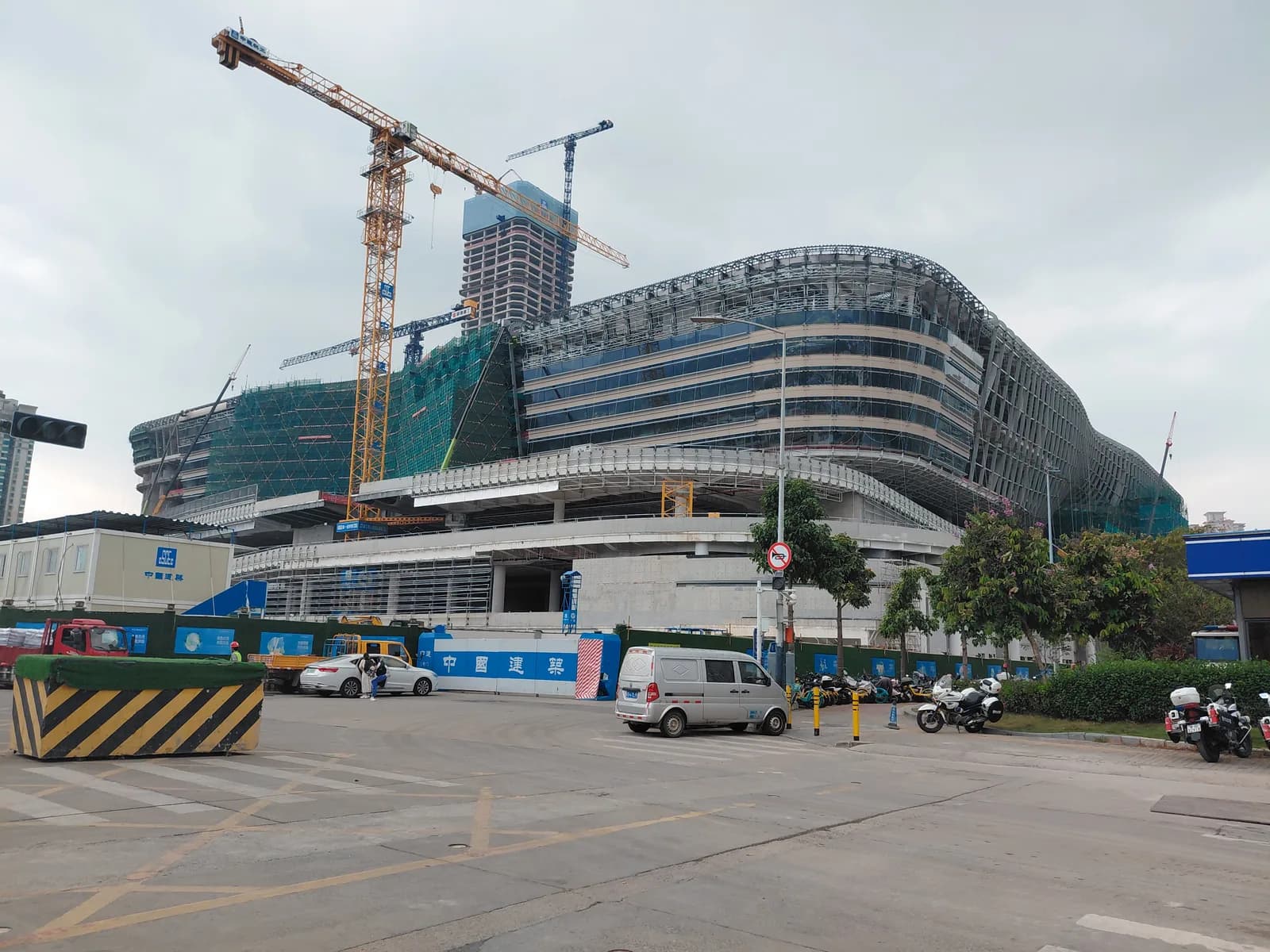
The bigger story is the rebuild. The new Huanggang port building, the largest land crossing complex anywhere, is finished and being commissioned: Hong Kong's Legislative Council passed the co-location bill on 17 July 2026, the Hong Kong port area inside the Shenzhen-side building came under SAR jurisdiction at midnight on 31 July, and on 22 August more than 10,000 Hong Kong civil servants ran the first full stress test. When it opens, expected imminently as of this writing, both immigration checks will happen in one building with clearance projected at around five minutes through 134 e-gates. It keeps the 24-hour service. I will update this section the week it opens; until then the old crossing runs as normal.
Shenzhen Bay: the west-side door that finally got a metro
Shenzhen Bay was long the awkward crossing: excellent one-building clearance, both immigration counters a short walk apart, then a taxi problem on the far side. That ended on 28 December 2024 when metro Line 13 opened its Shenzhen Bay Checkpoint station at the port's doorstep. The crossing runs 6:30am to midnight and handled around 124,000 passengers on the May 2026 peak day, busy but structurally faster than Lo Wu because of the co-located design.
There is no rail on the Hong Kong side either; the B2 and B2P buses run from Yuen Long via Tin Shui Wai and the B3 and B3X from Tuen Mun, around HK$11 to 14, crossing the Shenzhen Bay Bridge, and direct coaches link the port with the airport and Kowloon. That makes this the natural door from the western New Territories, and on the Shenzhen side it is the obvious approach to Nanshan: Sea World, the Shekou ferry piers, OCT and the tech campuses are all closer from here than from any rail crossing. Travelers describe it as the pleasant one, though weekend 9 to 11am and 5 to 8pm windows still jam.
Liantang and the minor ports: the quiet ones
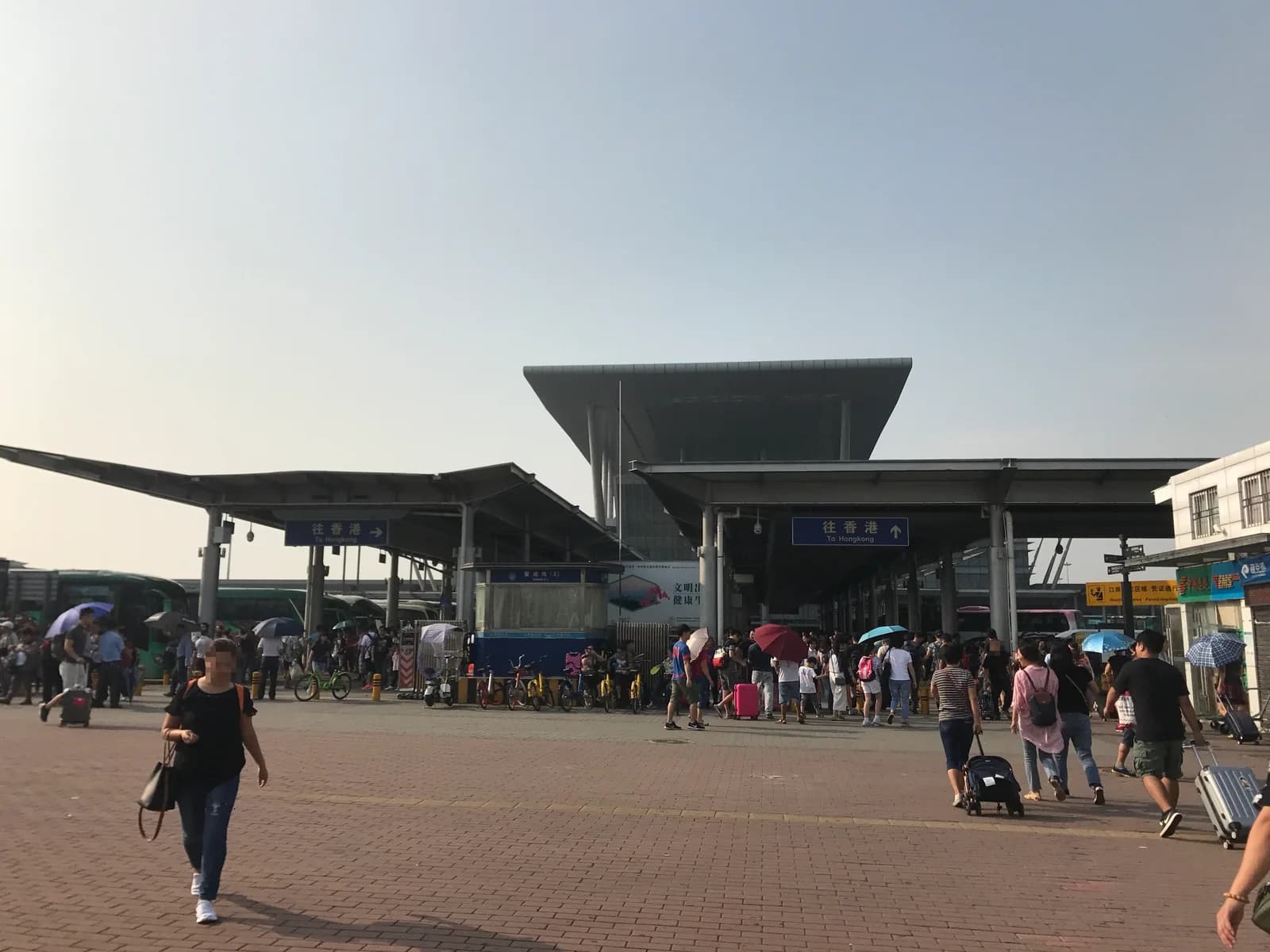
Liantang, called Heung Yuen Wai on the Hong Kong side, opened in February 2023 and is still the crossing most guides forget, which is exactly its value. Hours are the shortest at 7am to 10pm, and access on the Hong Kong side is by bus from the Sheung Shui and Fanling area: Citybus B7 and B8 and KMB's B9 group, with a HK$8.50 discounted return leg on the same Octopus card. Weekday B9 hours were extended in September 2025, a small sign of growing use. On the Shenzhen side, Liantang Checkpoint station on Lines 2 and 8 sits under the port, pointing east: Wutong Mountain, Yantian and the Dameisha coast are all Line 8 territory.
Recent crossers describe near-empty halls on weekday mornings, and even on the May 2026 holiday peak it was the overflow route rather than the bottleneck. For a calm border over a central landing point, this is the door.
Wenjindu, between Lo Wu and Liantang, serves cross-border coaches only, 500 metres from Line 9's Wenjin station; it matters only if your coach uses it. Man Kam To and Sha Tau Kok handle freight and closed-area traffic and can be ignored for tourism.
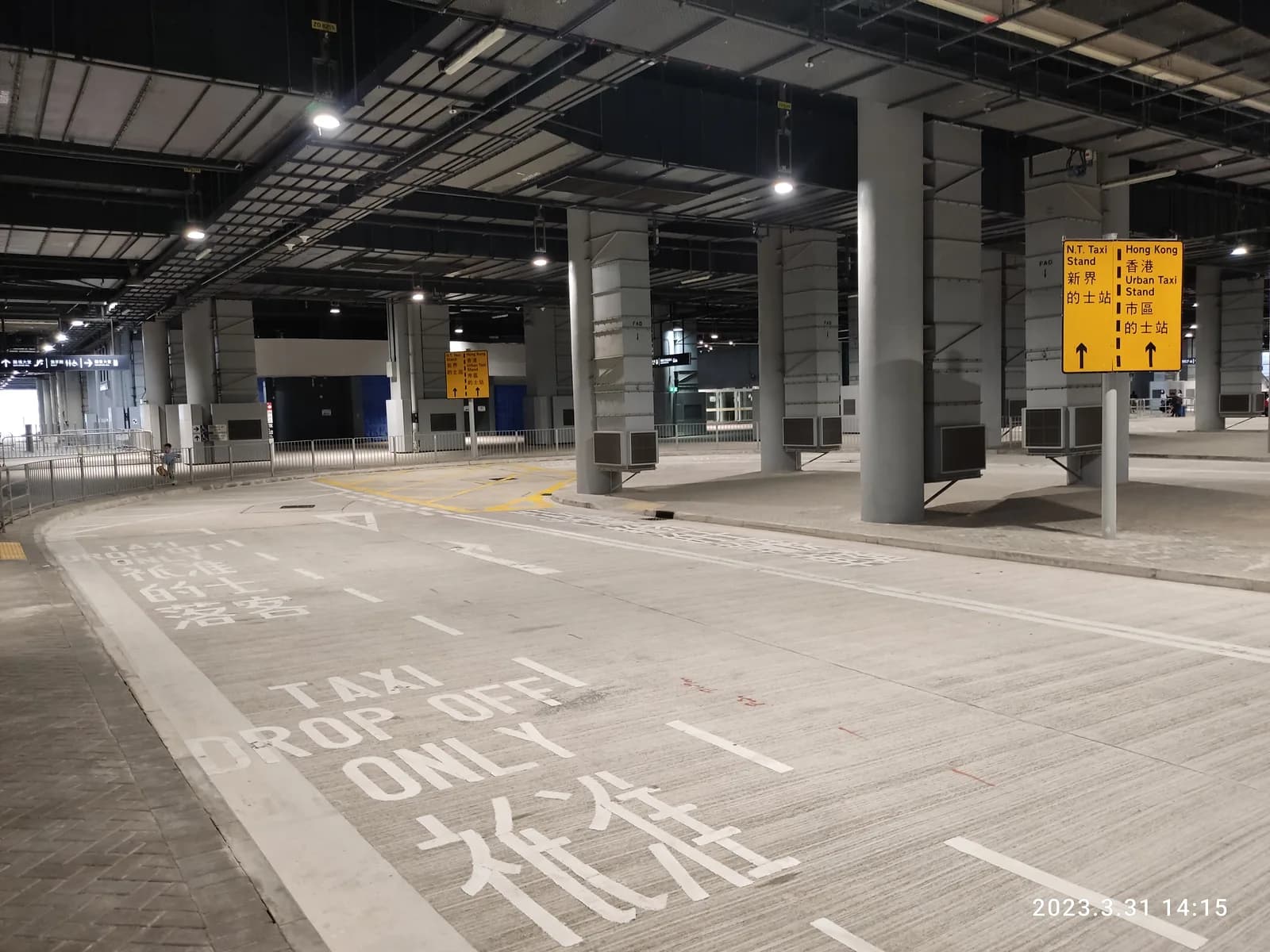
Worth booking before you cross
Three things are cheaper or safer to lock in from the Hong Kong side than to improvise at the border.
Three things worth booking
 Fastest crossing
High-speed rail: West Kowloon to Futian
The default door for visa-free passports. Book the return at the same time as the outbound; the 7pm to 10:30pm trains out of Futian sell out two to three days ahead.
Book this Door to door
Cross-border coach, city centre to Shenzhen
The only public route through the 24-hour Huanggang crossing, and the no-transfers option from Kowloon hotels. Slower than rail but you sit through the whole border.
Book this Groups and luggage
Private cross-border car transfer
Crosses the vehicle channels at Shenzhen Bay or Huanggang while you stay in the car for all but the passport checks. The sane option with a family's worth of luggage or a late flight into either airport.
Book thisMatching the crossing to where you are actually going
The most common mistake in recent traveler reports is optimizing the border and ignoring the landing point, then spending 40 minutes on the Shenzhen metro undoing the choice. Work backwards from your first stop:
| Headed to | Use | Why |
|---|---|---|
| Futian CBD, Coco Park, Huaqiangbei | West Kowloon HSR, or Lok Ma Chau Spur Line | Both land on Futian's own metro spine |
| Dongmen, Luohu Commercial City, the spa district | Lo Wu | Line 1 and the food streets are on the doorstep |
| Nanshan: Sea World, Shekou, OCT, tech campuses | Shenzhen Bay | Line 13 at the port; everything west is closer |
| Wutong Mountain, Yantian, Dameisha beaches | Liantang | Line 8 runs east from the checkpoint |
| Anywhere, after midnight or before 6:30am | Huanggang | The only 24-hour door |
| The 5-day visa-on-arrival desk | Lo Wu, Huanggang or Shekou ferry | The only three ports that issue it |
Queue timing: when the border is calm and when it is a wall
The border has a legible rhythm. Weekday mid-mornings and early afternoons, roughly 10 to 11am and 2 to 4pm, are the calm windows everywhere. Friday evenings tilt outbound, Sunday evenings tilt inbound, and weekend peaks run 9 to 11am going north and 5 to 8pm coming back.
Then there are the days to avoid entirely. Public holidays turn the crossings into event infrastructure: Easter 2025 saw around 2 million land crossings by Hong Kong residents, and the Buddha's Birthday long weekend in May 2026 produced 2.91 million in three days, with 673,000 people funnelling back on the final Monday and two to three hour waits reported at Lo Wu. Golden Week in early October and Lunar New Year are the same phenomenon at larger scale. If a trip must happen then, cross early, use Liantang or Shenzhen Bay rather than Lo Wu, and treat the last two hours before closing as a trap, since a queue that outlasts port hours strands you with only Huanggang left.
Two tools blunt the pain. The Hong Kong Immigration Department app publishes live queue estimates for every control point, colour-coded from under 15 minutes to over 30; check it before committing to a door. And since 5 November 2025, "document-free" facial recognition channels operate at Luohu, Futian, Huanggang, Liantang and Wenjindu; they mostly serve Hong Kong residents and registered frequent travelers, but they visibly drain local traffic out of the manual queues, which is good news for the rest of us holding passports.
Payment and paperwork at the line
The practical sequence at every crossing is the same, and the mistakes cluster in the same three places.
Money changes systems at the boundary. Octopus pays for everything up to the border, including the East Rail leg and the B-route buses, and nothing after it. The Shenzhen side runs on Alipay or WeChat Pay linked to a foreign card, set up and tested on Hong Kong wifi before crossing; the day-trip guide covers the full app setup, VPN included. The metro gates at Luohu, Futian Checkpoint and Shenzhen Bay Checkpoint all take Alipay QR codes, so a working phone replaces the ticket machine queue. Carry RMB cash only if the visa desk is in your plans.
Paperwork is minimal but real. Visa-free entries fill in an arrival card, give fingerprints on first entry, and are through in minutes; the card asks for an address, and a refundable hotel booking answers that question at every desk. Port-visa applicants need the photo, the cash and the morning start covered in the visa post, and only Lo Wu, Huanggang and Shekou can issue the visa itself.
The return leg deserves as much planning as the outbound. Evening high-speed trains sell out days ahead, the spur line's last train leaves before the port closes, and Liantang shuts at 10pm sharp. Decide the return door and time before crossing, and if dinner runs long in Dongmen, remember that Huanggang's coaches are the safety net that never closes.
If the day becomes a night
Plenty of border days end with a booking, since Shenzhen rooms run a fraction of Hong Kong prices. The short version, keyed to the crossings: stay in Futian if you came by rail and want the station, Coco Park and a 20-minute retreat to West Kowloon within reach. Stay in Luohu if the night is about Dongmen food and cheap massages and the morning is a walk back across the Lo Wu bridge. Stay in Shekou if you crossed at Shenzhen Bay and want a harbour evening instead of another mall. The full district guide does this properly, with the specific hotels recent guests keep naming.
What I would tell a friend at the border
- Work backwards from your first Shenzhen stop, not forwards from the nearest MTR station; the landing point matters more than the crossing speed.
- Check the Hong Kong Immigration Department app before committing to Lo Wu; if it shows red, Liantang is one East Rail stop and a bus away.
- Book high-speed rail returns the moment you book the outbound; the evening Futian departures go two to three days ahead.
- Treat port closing times as an hour earlier than published; the queue must clear before the door shuts, and the last trains leave before the ports do.
- If you need the 5-day visa on arrival, the crossing choice is made for you: Lo Wu, Huanggang or Shekou, at 9am, with RMB cash and a photo.
- Set up Alipay on Hong Kong wifi; nothing at a Shenzhen metro gate accepts Octopus.
- Avoid mainland public holidays outright, and on any weekend cross before 9am or between 2 and 4pm.
- After midnight there is exactly one answer, Huanggang, and its coaches from Kowloon are the whole plan.
- Watch for the new Huanggang port opening announcement; once co-location goes live, the 24-hour crossing becomes a five-minute one.
There is no best crossing, only a best crossing for a given destination, hour and passport. The high-speed rail wins central Futian, Lo Wu wins Dongmen and the visa desk, Shenzhen Bay wins the west, Liantang wins calm, Huanggang wins the night, and the queue app referees the rest. If you cross after the new Huanggang port opens and this page has not caught up, tell me and I will fix it the same week. And once you are through, the things-to-do guide and the food guide are waiting on the other side.
Frequently asked
What time does the Hong Kong to Shenzhen border open and close?
Most crossings run 6:30am to midnight or slightly less. Lo Wu (Luohu) and Shenzhen Bay operate 6:30am to midnight, the Lok Ma Chau Spur Line to Futian runs 6:30am to 10:30pm, and Liantang (Heung Yuen Wai) and Wenjindu keep the shortest day at 7am to 10pm. Huanggang is the only 24-hour crossing, and the high-speed rail follows the train timetable rather than port hours, with the last evening departures from Futian around 10:30pm.
Which Hong Kong to Shenzhen border crossing is fastest?
The high-speed rail from West Kowloon to Futian, at 14 to 18 minutes on the train with both immigration checks cleared inside West Kowloon before boarding. Door to door it is usually under an hour including the recommended 45 to 60 minute arrival buffer. For pure queue speed at a land crossing, recent travelers consistently rate the Lok Ma Chau Spur Line and Liantang as quieter than Lo Wu.
Is the Hong Kong to Shenzhen border open 24 hours?
Only at Huanggang, which is reached by cross-border coach or minibus on the Hong Kong side rather than the MTR, and lands on Shenzhen metro Line 7. Every other crossing closes between 10pm and midnight. The rebuilt Huanggang port, which keeps the 24-hour service and adds one-stop co-located clearance, passed a 10,000-person stress test on 22 August 2026 and is expected to open to the public imminently.
How long does it take to cross the border from Hong Kong to Shenzhen?
On a weekday mid-morning, clearing both sides at a land crossing typically takes 10 to 30 minutes. On weekends the peak windows are roughly 9 to 11am outbound and 5 to 8pm returning, and Chinese public holidays are a different category entirely: over the Buddha's Birthday long weekend in May 2026, travelers reported 2 to 3 hour waits at Lo Wu as around 673,000 people crossed back in a single day. The Hong Kong Immigration Department app shows live queue estimates for every control point.
Which border crossing issues the 5-day Shenzhen visa on arrival?
Luohu (Lo Wu), Huanggang and the Shekou ferry terminal only. The high-speed rail into Futian, the Lok Ma Chau Spur Line, Shenzhen Bay and Liantang do not have visa desks, because mainland immigration for the rail route is cleared inside West Kowloon where no visa is issued. If your nationality needs the port visa, plan the whole day around Lo Wu and arrive when the desk opens around 9am.
Can I use an Octopus card in Shenzhen?
No. Octopus covers the Hong Kong side, including the East Rail ride to Lo Wu or Lok Ma Chau and the border buses, but it dies at the boundary line. On the Shenzhen side the metro and nearly everything else runs on Alipay or WeChat Pay QR codes, so set one up with a foreign card while still on Hong Kong wifi. Foreign credit cards used directly largely do not work.
Has the new Huanggang port opened yet?
Not quite, as of late August 2026. Hong Kong's Legislative Council passed the co-location bill on 17 July 2026, the Hong Kong port area came under SAR jurisdiction at midnight on 31 July, and a full-scale stress test with over 10,000 participants ran on 22 August. The two governments will announce the public opening date once testing is complete; until then the existing Huanggang crossing keeps running 24 hours.
More from the journal
Qianling Park, Guiyang: The Macaques, Hongfu Temple and How to Visit Without Losing Your Snacks
Emeishan Day Trip from Chengdu: What One Day on Mount Emei Really Buys You (and When to Stay the Night)
Leshan Day Trip from Chengdu: The Giant Buddha, the Boat Question and China's Quietest Great Food City