Salento Coffee Farm Tours: Which Finca, What It Costs and How to Book
Salento coffee farm tours compared: El Ocaso, Don Elías, Las Acacias, Momota, Buenos Aires and a Filandia finca, with 2026 prices in COP, English availability and booking.
Every Salento itinerary has a line that just says "coffee tour," and that is where the planning usually stops. It should not, because the farms around Salento and Filandia are not interchangeable: one runs 30-person tours with a cappuccino bar, one is a family plot where the owner's son explains compost, one is a three-hour coffee lab, and prices now run from under 30,000 COP to 150,000. I covered the farms briefly in my Salento things-to-do post; this is the full comparison. I have not toured these fincas myself, so as with the rest of my Salento series this is built from 2025 and 2026 traveler reports, the farms' own price pages and the platform listings, cross-checked where they disagree.
The fincas, compared
Prices are what recent visitors paid at the farm gate, with the farms' own 2026 pages used where they publish one. Platform prices run higher because they bundle a guide, insurance and sometimes transport. Dollar figures assume roughly 3,400 pesos to the dollar, where the rate sat for much of 2026.
| Finca | Price (COP, direct) | Tour length | English | How to get there from the plaza | Book ahead? |
|---|---|---|---|---|---|
| Finca El Ocaso, traditional | 60,000 (kids 6–12: 30,000; under 6 free) | 1.5 hrs | Yes, set English and Spanish slots | 5 km: 1 hr walk, mostly downhill, or 15 min by Willys | Walk-in accepted, reservation recommended |
| Finca El Ocaso, premium / brewing / roasting | 120,000 / 120,000 / 150,000 | ~3 hrs | Yes | Same road | Required, small groups, ages 12+ |
| Luger Coffee Tour (Finca Hamburgo) | 55,000–60,000 | 2 hrs, hourly from 9am | Yes | Directly across the road from El Ocaso | No |
| Finca Don Elías (Las Brisas) | ~35,000 | 1–1.5 hrs | Usually; depends on who guides that day | ~4 km, 45–60 min walk or Willys | No |
| Finca Las Acacias | ~30,000 | 1 hr | Yes, basic | First farm on the walking road, 30–40 min | No, but recommended |
| Finca Momota | ~50,000 | 1.5–3 hrs | Host is multilingual; some sessions run in Spanish | 10–15 min walk, Vereda Trincheras | Yes, Instagram or WhatsApp |
| Finca Buenos Aires | 50,000–60,000 | 2 hrs, hourly 9am–4pm | Yes | ~30 min by Willys; not a walk | No |
| Casa Laureles (Filandia) | ~US$22–25 via Civitatis or Atrápalo | 2.5 hrs | Spanish only | Vereda La Palmera outside Filandia, by taxi or jeep | Yes, minimum two people |
Finca El Ocaso is the farm every guide names and the stop on most day tours from Pereira and Armenia. Its own site and a September 2026 report agree on 60,000 COP for the traditional tour, 120,000 for premium or brewing and 150,000 for roasting, roughly double the 30,000 COP older posts still quote. The traditional tour takes up to 30 people; the premium caps at 10 and includes a real cupping. One 2026 writer calls the farm "very commercialized," while others rate the on-site café's cappuccino among the best in Colombia. Both can be true. El Ocaso also rents four rooms on site.
Luger, on Finca Hamburgo across the road from El Ocaso, is the newer name that keeps surfacing: 55,000 COP in September 2025, 60,000 a year later. Tours leave hourly from 9am and move through nine stations from planting to brewing, with a panela-sweetened welcome coffee and a patacón with hogao halfway. Recent visitors describe small groups and a more traditional feel than the neighbour's.
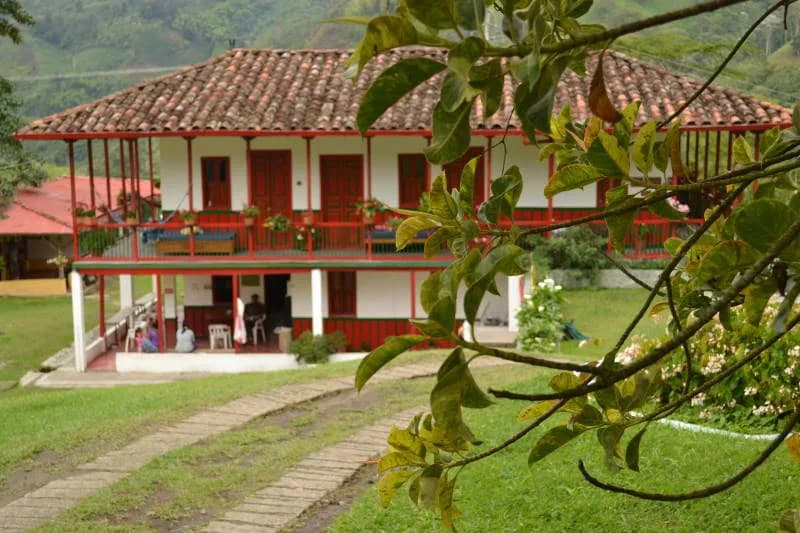
Don Elías (formally Las Brisas) is the small organic family finca on the same road, rated 4.6 to 4.7 across close to 300 TripAdvisor reviews. Direct, recent visitors pay around 35,000 COP; the GetYourGuide listing is US$18 to 21 and offers English, Spanish or French guides. The content is permaculture as much as coffee: banana trees for shade, citrus for compost, why the farm went organic. Walk-ins get whichever family member is free, so the language is a lottery.
Las Acacias is the first farm on the walking road and the cheapest tour at around 30,000 COP for an hour: a coffee while you wait, then growing, harvesting, roasting and a second cup over the valley. Recent visitors call it "a true local experience" from a family that sells its coffee only to visitors.
Finca Momota is the outlier: an organic farm 10 to 15 minutes' walk from the plaza, rated 4.8 from over a hundred Google reviews, where a March 2026 visitor paid 50,000 COP for a tour ending with roasting and brewing their own beans. The longer "coffee lab" format is a three-hour seated session heavy on theory. Book through Instagram or WhatsApp; there is no walk-up schedule.
Finca Buenos Aires sits on a hilltop about 30 minutes from town by Willys, which rules out walking but buys a quieter farm. English and Spanish tours leave hourly from 9am to 4pm; a December 2024 visitor paid 55,000 COP without booking, and 2026 listings show 50,000 to 60,000. Reviews through September 2025 are warm about the guides and the view, with one dissent that it felt more touristy than billed.
For Filandia, the farm with current bookable dates is Casa Laureles in the Vereda La Palmera, a family farm and guesthouse running a two-and-a-half-hour Spanish-language tour from nursery to tasting for about US$22 to 25 through Civitatis or Atrápalo, minimum two people. A July 2026 reviewer called it extraordinary. The other Filandia names, La Divisa and La Coqueta, have mixed or thin reviews. My Filandia things-to-do post covers the rest of that town.
Which coffee tour to pick
First coffee tour, ever: Luger or El Ocaso's traditional tour. Both cover the full chain in under two hours and sit across the road from each other, so walk down, see which has the smaller group forming, and decide at the gate.
Coffee nerd: El Ocaso's premium or brewing tour at 120,000 COP, or roasting at 150,000. These are the only farm tours near Salento with a structured cupping and a group small enough for awkward questions about fermentation. The in-town roasting-and-brewing workshop on GetYourGuide, around US$90, is the fallback when the farm slots are gone.
With kids: El Ocaso's traditional tour, and it is not close. The farm publishes child pricing (30,000 COP for ages 6 to 12, free under six), and a family who rated six Colombian coffee tours for their children gave it a 9 for the cherry picking and the hand-cranked depulper. They gave Las Acacias and Don Elías a 5 (walking and listening) and Momota's lab a 3. Walk down with older children; take the jeep back.
No Spanish: El Ocaso's fixed English slots, or Luger and Buenos Aires, which run both languages hourly. Book Don Elías on the platform if you need the language locked in, and skip Casa Laureles unless someone translates.
On a budget: walk to Las Acacias (30,000 COP) and Don Elías (about 35,000). For the price of one packaged tour from Pereira you can do both and still afford the trout dinner covered in the things-to-do post.
Booking: walk-in, WhatsApp or platform
Three things worth booking
 The polished default
Finca El Ocaso coffee tour (English)
Set English time slots, child pricing and the only farm near Salento with a real cupping on its premium tour. Booking online locks the English slot on busy days; the jeep from the plaza is not included.
Book this Small farm, long conversation
Don Elías family farm tour
The organic family finca on the same road as El Ocaso, where the tour is about compost, shade trees and why the farm went chemical-free. Book online only if you need the language guaranteed; otherwise walk in.
Book this For the coffee nerd
Coffee roasting, brewing and tasting workshop
Roast a batch with a master roaster, then taste it through several pour-over methods. The rainy-afternoon option, and the one to book when El Ocaso's premium slots are gone.
Book thisMost of these farms need no booking at all. El Ocaso's traditional tour, Luger, Don Elías, Las Acacias and Buenos Aires run on the hour or whenever a few people gather. Walk down, pay cash, done.
Three cases change that. El Ocaso's premium, brewing and roasting tours must be reserved on the farm's site, and English slots go first in December, January and around every Colombian puente. Momota and Casa Laureles run by arrangement, so message by WhatsApp or Instagram a day or two ahead. And anyone basing in Pereira, Armenia or Filandia who wants the farm folded into a Cocora Valley day should book a packaged tour; the full-day versions run about US$40 to 90 and nearly all stop at El Ocaso.
A US$22 El Ocaso listing is roughly 75,000 COP for a tour that costs 60,000 at the gate; the difference buys a guaranteed English slot and free cancellation. Pay it for the language or the convenience, not because a listing calls the farm exclusive.
How to get to the fincas from Salento's plaza
The main cluster of farms lies 3 to 5 km south of town down a single unpaved road. The walk is what most recent reports recommend: follow Carrera 5 southwest until the pavement turns to dirt, then keep heading downhill. Las Acacias comes first, Don Elías about 4 km out, El Ocaso and Luger at roughly 5 km, about an hour at an easy pace. El Ocaso's own directions call the walk safe and almost entirely downhill. The return is the catch, an hour back up, which is why nearly everyone walks down and rides up.
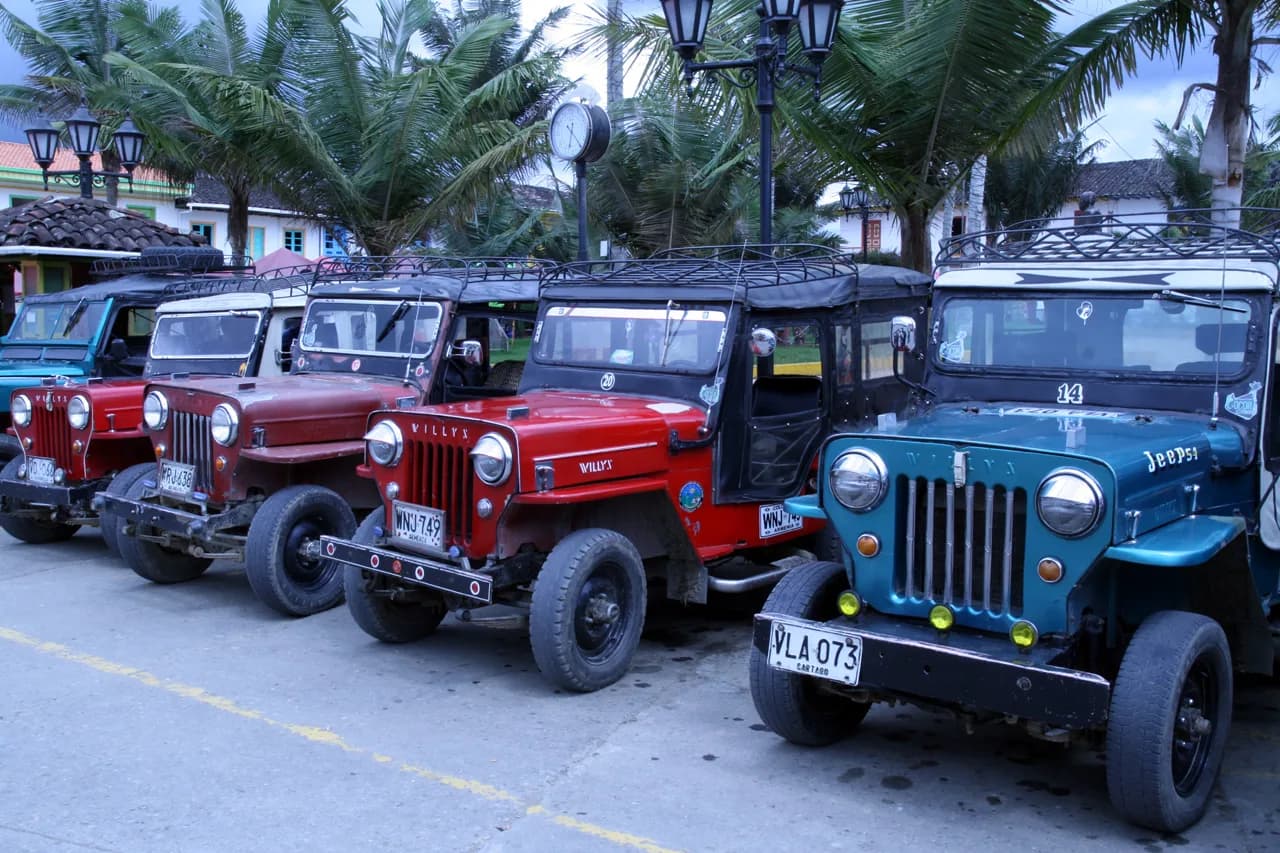
The Willys jeeps leave from the wooden booth on the Plaza de Bolívar, the same one that sells Cocora seats, and take about 15 minutes. Shared-seat figures in reports scatter between about 5,000 and 9,000 COP each way, so budget 10,000 to 15,000 COP return. El Ocaso can arrange a private Willys for up to ten with an hour's notice. Coming back, wave at the first jeep heading uphill from the farm gate.
A taxi is the fallback in rain and the only sensible way to Finca Buenos Aires. Momota is a short walk from the plaza. Salento itself is about an hour from Pereira or Armenia, and my Pereira airport to Salento and Filandia guide covers the transfers; do the farm on your second morning, not the afternoon you land.
What the tour actually covers
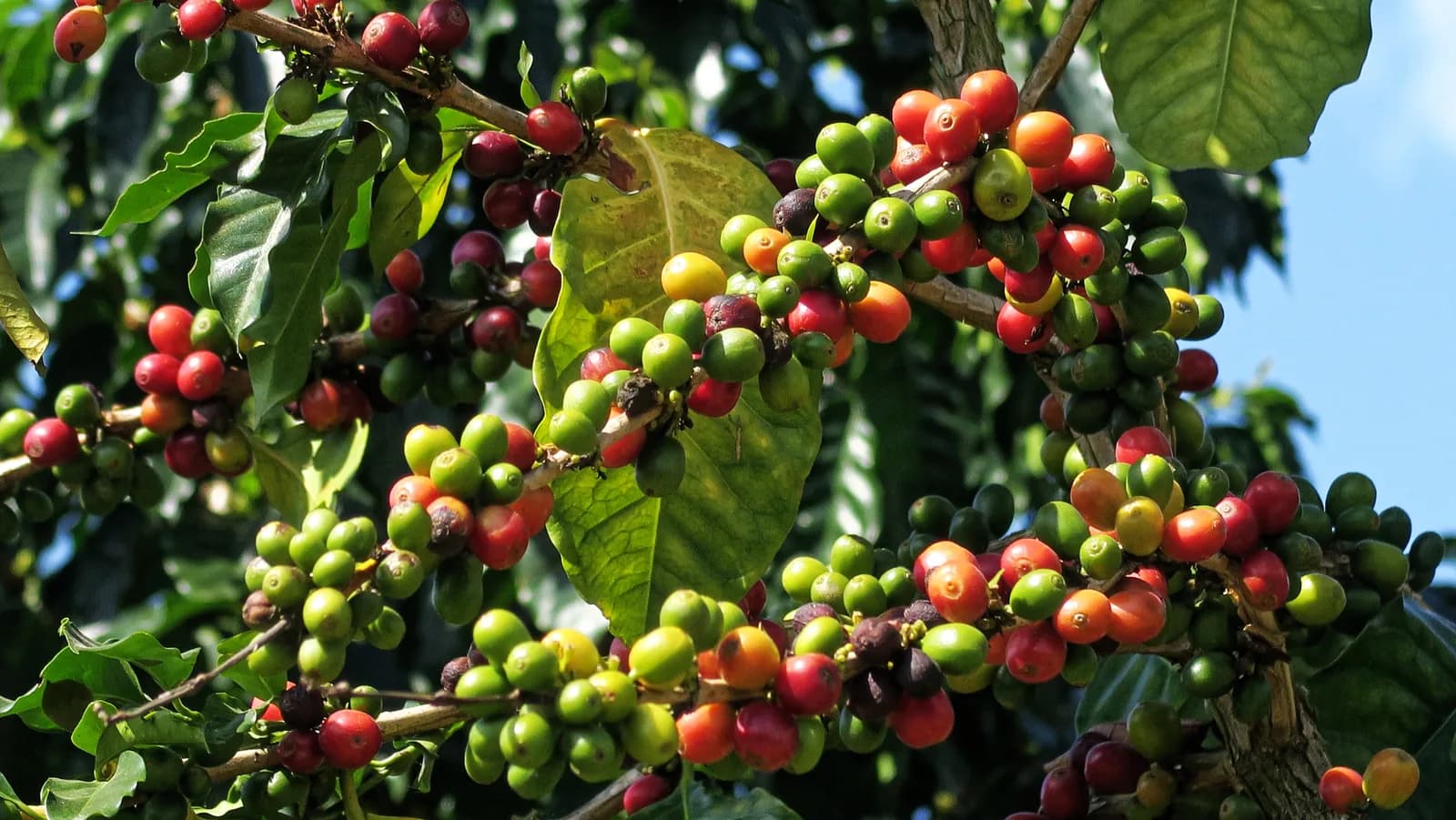
The traditional tours follow nearly the same script because the process is the same at any scale. It starts in the plantation with varieties, shade trees and the leaf rust that pushed the region toward resistant cultivars. Then picking: a basket, an instruction to take only fully red cherries, and five to fifteen minutes discovering how slow that is.
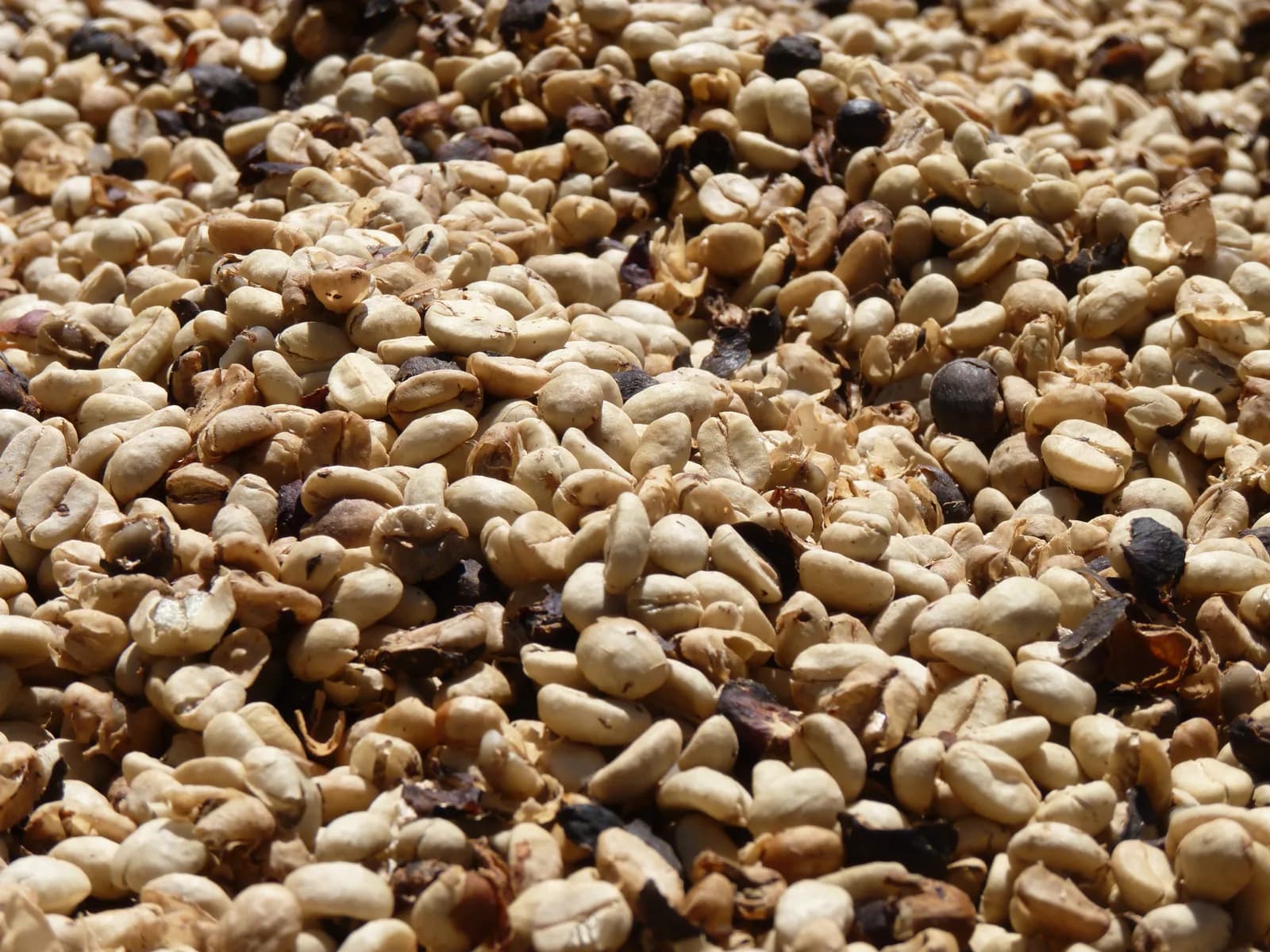
Back at the buildings comes depulping on a hand-cranked machine, a job children are routinely handed. The beans ferment overnight to loosen the mucilage, are washed, and dry on patios or in the raised greenhouse racks Colombians call marquesinas. Luger and El Ocaso show the threshing that strips the parchment, most tours end at a small roaster, and the brew comes through a cloth filter from beans you grind yourself. Only premium tours add a formal cupping, the slurp-and-compare tasting a coffee-focused traveler is really paying for. Buy a bag at the end; recent visitors call the farm-only coffee the best souvenir in Salento.
Tinto versus the farm cup: a food-first aside
The first thing most visitors notice is that the plaza coffee is thin, dark and sweet. That is tinto, the small black coffee poured from thermoses all over Colombia, often pre-sweetened with panela, a social ritual more than a tasting. For decades the export-grade beans left the country and the domestic cup was made from pasilla, the damaged beans left behind, and Colombians drinking their own specialty coffee is a young shift.
I grew up between two coffee cultures, Japanese kissaten pour-over and New Zealand's flat-white obsession, and both would find tinto baffling. I would still drink it. Have the tinto on a plaza bench because that is what the town drinks, then the farm's own cup, then a morning at Café Jesús Martín, the roaster coffee-focused travelers consistently rank first in Salento. In that order, the three cups tell the story of Colombian coffee better than any tour script. Filandia's roasters, MOCAFE and CoffeecolBean, do the same job there, as covered in the Salento versus Filandia comparison.
Where to stay for a coffee-farm morning
Three places to book in Salento
 Sleep among the plants
Coffee Tree Boutique Hostel
Recent Booking guests describe walking the farm's own coffee rows before breakfast, which is made to order and rated above most hotels in town. Private rooms and calm dorms, five minutes from the plaza.
Check availability Walk to the jeep booth
Hotel Salento Real
A colonial-style mid-range hotel with breakfast and parking, close enough to the Willys booth that a 9am farm tour needs no alarm. The private-room pick for anyone pairing the farms with an early Cocora.
Check availability Garden, parking, birds
Finca Cardonales
A farm-stay guesthouse scoring around 9 on Booking from several hundred reviews, with a terrace guests describe for the birdsong, free parking and rooms from roughly US$60 for two. The pick with a rental car.
Check availabilityThe long version is in my Salento stay guide; the short version has three options. Stay in Salento town centre on a carless first visit, because the farm walk, the Willys booth and the Cocora jeeps all start at the plaza. Stay on the finca roads outside town if waking to coffee rows beats nightlife, but the hill roads are unlit, so get a written answer on after-dark transfers or bring a car. Choose Filandia for lower prices and quieter cafés, accepting a 35-minute jeep to the Salento farms; Casa Laureles there lets you sleep on the farm you tour, and my Filandia stay guide covers the rest.
Getting there and when to go
Salento has no airport; Pereira and Armenia are both about an hour away, and it is worth comparing fares into both. The overland option is the six-to-eight-hour bus from Medellín. Salento and Filandia are linked by hourly Willys jeeps at 7,500 to 9,000 COP.
For the farms, the month matters. The main harvest runs roughly October to December, with a second cycle around April to June, and mid-harvest visitors describe pickers in the rows and depulpers running; off-season, the same equipment sits idle. Mornings are drier year-round and the farm road turns to mud after afternoon rain, so take the first tour of the day.
Recommendations
- Walk down the farm road and flag a Willys back up; the hour downhill is pleasant, the hour back up is not.
- Budget 60,000 COP for El Ocaso's traditional tour and 120,000 for the premium; any guide quoting 30,000 is two price rises out of date.
- Standing at the El Ocaso gate with 25 other people, cross the road to Luger and tour on the next hour instead.
- Pay for El Ocaso's premium or brewing tour, or the in-town roasting workshop, if coffee rather than the farm is the point; the traditional tours do not include a cupping.
- Take children to El Ocaso, not to the small farms or the Momota lab; the child pricing and the hands-on picking are built for them.
- Book Momota and Casa Laureles a day or two ahead by WhatsApp or Instagram; nothing else on this list needs a reservation outside long weekends.
- Carry cash in small notes; the farms, the jeep booth and the bags of coffee at the end are all pesos-only.
- Drink a tinto on the plaza first, then the farm's own cup, then a pour-over at Café Jesús Martín, in that order.
- Time the trip for October to December or April to June if the harvest in motion matters to you; the equipment is the same in July, just idle.
That is the Salento coffee tour decision as the recent reports describe it: one polished farm that has earned its crowds and its price rise, a newer neighbour across the road with smaller groups, three family farms within reach, an organic lab on the edge of town and one Filandia finca worth the Spanish. If you have toured any of them since mid-2026 and a price or a timetable has moved, tell me and I will update this. For the rest of the trip, the Cocora Valley hike guide covers the other half of a Salento day, and the Salento versus Filandia comparison settles which town gets your nights.
Frequently asked
Which coffee farm tour in Salento is best?
It depends on what the tour is for. Finca El Ocaso is the polished default, with a 90-minute traditional tour at 60,000 COP and small-group premium tours at 120,000 COP that include a proper cupping. Don Elías and Las Acacias are the small family farms on the same walking road, under 40,000 COP and closer to a conversation than a presentation. Finca Buenos Aires runs hourly English tours for 50,000 to 60,000 COP, and Finca Momota is the organic, lab-style option a short walk from town.
How much does a coffee tour in Salento cost in 2026?
Budget 30,000 to 60,000 COP (roughly US$9 to 18) for a standard farm tour booked directly, and 120,000 to 150,000 COP for El Ocaso's premium, brewing or roasting tours. The same farms sell for US$18 to 25 on GetYourGuide and Viator, and packaged versions with pickup, a guide from town and lunch run US$50 to 95. Add a Willys jeep seat from the plaza at a few thousand pesos each way if you do not walk.
Do you need to book a Salento coffee tour in advance?
Not for most of them. El Ocaso's traditional tour, Luger, Don Elías, Las Acacias and Finca Buenos Aires all take walk-ins, with tours leaving on the hour or when a few people have gathered. Book ahead for El Ocaso's premium, brewing and roasting tours, for Finca Momota (via Instagram or WhatsApp), for Casa Laureles in Filandia, and for any day around a Colombian long weekend.
How do you get from Salento to the coffee farms?
The main cluster of farms, including El Ocaso, Luger, Don Elías and Las Acacias, sits 3 to 5 km south of town along one dirt road. Walk it in 45 to 60 minutes, mostly downhill on the way out, or take a Willys jeep from the booth on the Plaza de Bolívar, about 15 minutes. Most people walk down and flag a passing jeep back up. Finca Buenos Aires is a 30-minute jeep ride and not a sensible walk; Momota is 10 to 15 minutes on foot from the plaza.
Are Salento coffee tours in English?
Mostly yes. El Ocaso runs set English and Spanish time slots, Luger and Finca Buenos Aires offer both languages, and the GetYourGuide listing for Don Elías advertises English, Spanish or French guides. The small farms depend on who is free that day, and recent visitors to Momota and Don Elías have occasionally had Spanish-only tours. Casa Laureles in Filandia is Spanish only.
Is a coffee tour worth it in Salento?
Yes, and more so than the tourist-strip cafés suggest. Colombia historically exported its best beans and drank the rest as sweet tinto, so the farms are where the good cup actually is. A 90-minute tour covers picking, depulping, drying, roasting and a brew for the price of two city coffees, and a harvest-season visit (roughly October to December and April to June) is a visibly better one.