Things to Do in Chengdu: Teahouses, Pandas and the Day-Trip Menu
How to spend 2-4 days in Chengdu: People's Park teahouses, the panda base at opening, Leshan's Giant Buddha, Sanxingdui's bronze masks and the food between.
Three things come up in nearly every recent traveler report from Chengdu. The pandas are worth the hype but only before 9:30am. The teahouses, not the temples, are where the city actually shows itself. And the day trips, a giant Buddha carved into a river cliff and a museum full of 3,000-year-old bronze masks, are as strong as anything inside the ring roads. Chengdu rewards the traveler who plans it as one unhurried city day plus a menu of excursions, with every evening handed over to the food. That is the shape this guide takes, built from what recent visitors consistently book, rate and regret rushing, and it pairs with my Chengdu neighborhood guide on where to base yourself for all of it.
How to think about Chengdu
The useful mental model from recent itineraries: one slow city day, one early panda morning, then a day trip or two, in that order of priority. The city sights cluster inside the first two ring roads and the metro connects all of them, so the sightseeing is easy; the discipline is in the timing. The panda base only makes sense at opening. Jinli and Kuanzhai only make sense outside weekend peak. Leshan and Sanxingdui each want a full day. Get those four timing decisions right and everything else in Chengdu is just walking, eating and sitting in bamboo chairs, which is the point of the place.
The city day: teahouses first, temples second
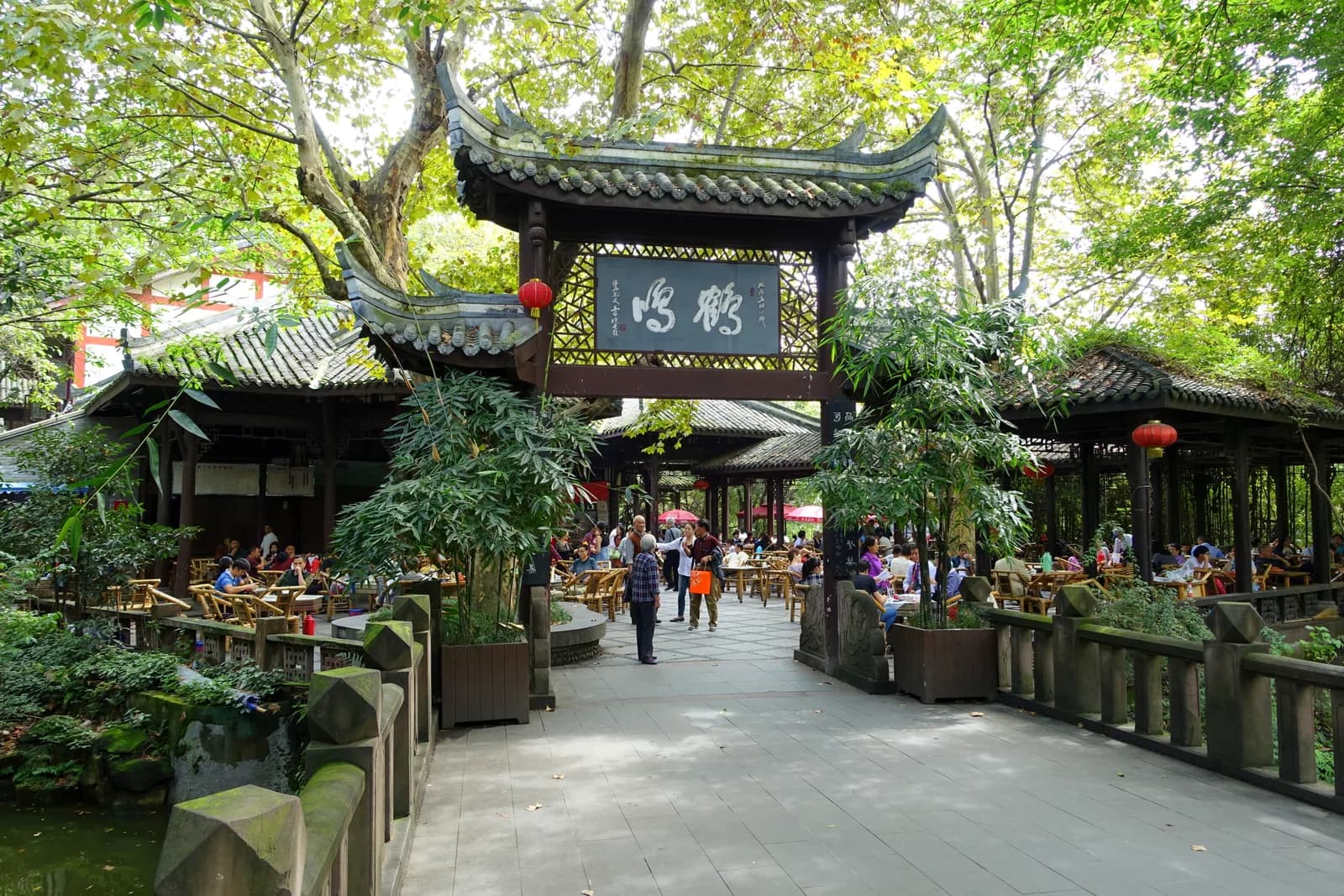
Start at People's Park, and specifically at Heming Teahouse, the open-air institution that has been pouring covered-bowl tea by its lake since 1923. A seat and a gaiwan of jasmine runs around 20 to 40 yuan with refills, and the thing to buy on top is the ear cleaning: practitioners with long steel tools and a tuning fork that hums against your ear, about 30 to 100 yuan depending on the service. Recent visitors describe whole afternoons disappearing here, and the weekend "marriage market," where parents post laminated resumes of their unmarried children along the park paths, is the best free people-watching in the city. Japan, where I was born, turned tea into ceremony; Chengdu turned it into furniture, something you live in for hours, and of the two rituals this is the one I most want to disappear into.
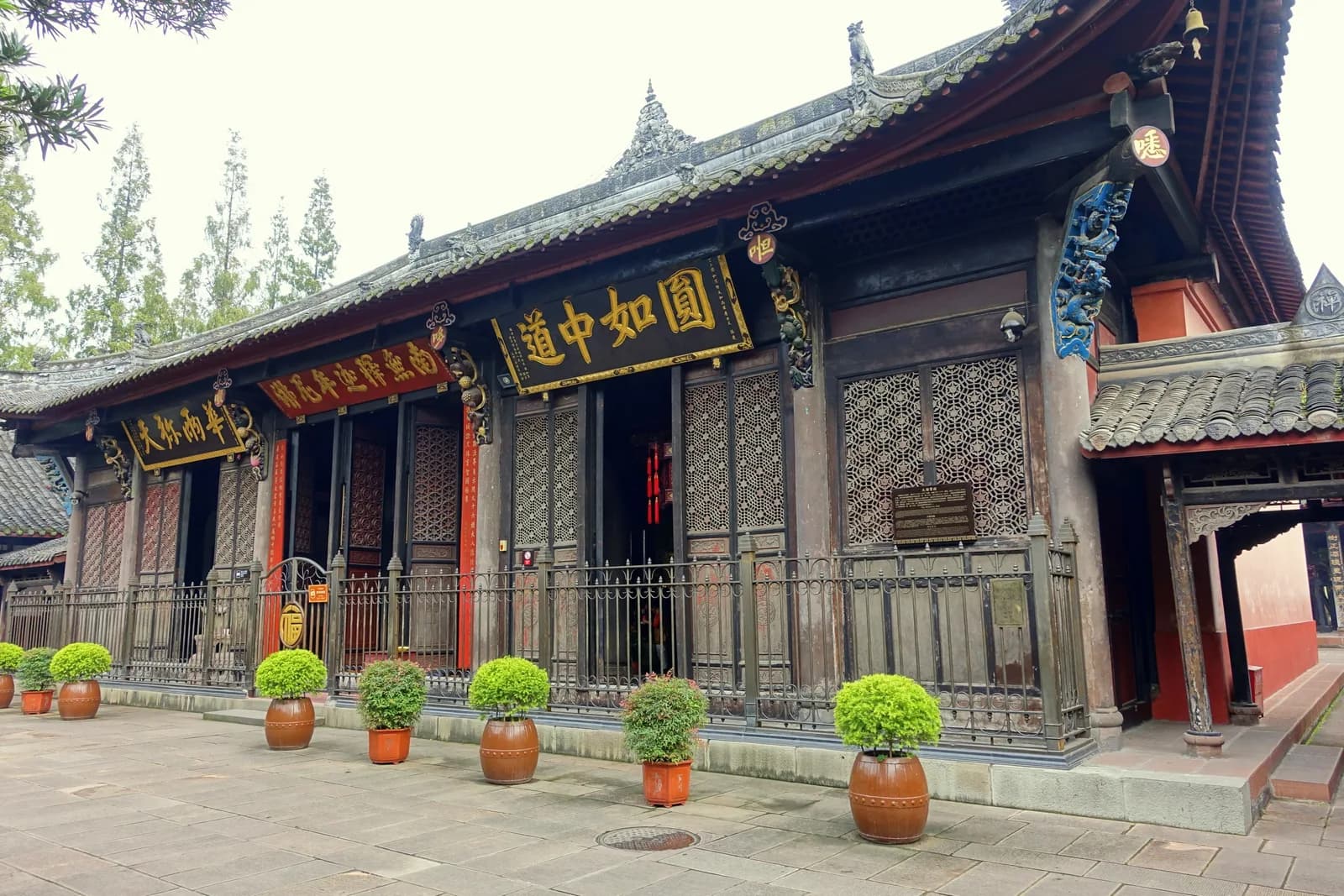
Walk or take a short metro hop to Wenshu Monastery, the best-preserved Buddhist complex in the city and still a working one, with free entry, incense smoke and a garden that mutes the traffic. Two reasons recent reports linger here: the century-old teahouse under the bamboo, and the vegetarian restaurant, where dishes run about 4 to 75 yuan and the Buddhist-style maocai, a spicy simmered bowl made without onion or garlic, costs around 19. It is the cheapest good lunch on this list.
Now the honest part. Jinli Ancient Street and the Kuanzhai alleys are the two heritage lanes every itinerary includes, and recent reports agree on both counts: they are worth seeing, and they are rammed. These are reconstructed streets, heavily commercial, and on a weekend evening the crowd moves as a single slow organism. The fix is timing. Go on a weekday, arrive in late afternoon, and stay as the lanterns come on, which is when Jinli stops feeling like a queue and starts earning its reputation. Kuanzhai keeps more of its original grey-brick fabric and its teahouses; Jinli wins on street food, including the rows of spicy rabbit heads Sichuan is quietly devoted to. The two are about 20 minutes apart, so pair them in one afternoon-into-evening arc rather than giving each a separate trip.
End the day with Sichuan opera. The venue travelers name most is Shufeng Yayun on Qintai Road, a teahouse theater whose nightly 8pm show packs face changing, fire spitting, shadow puppetry and Kung Fu tea pouring into about 90 minutes. Tickets start around 180 yuan, the better seats include tea service, and the face-changing finale, masks swapping in a literal blink, is the rare tourist ritual recent accounts describe as better than expected.
The day trips, ranked
Three things worth booking
 The non-negotiable
Giant Panda Base, early entry
Book ahead and be at the gate for the 7:30am opening, when the pandas actually move and before the tour buses land around 9. Nurseries first, then work outward.
Book this Worth the trek
Leshan Giant Buddha day trip
A 71-meter Tang-dynasty Buddha carved into a river cliff, under an hour away by high-speed rail. Take the boat for the full-height view; climb the staircase only if the queue is short.
Book this Traveler favourite
Sichuan opera at a teahouse theater
Face changing, fire spitting and Kung Fu tea pouring in a 90-minute variety show, nightly at 8pm. Book the teahouse-seat tier: the tea service is half the experience.
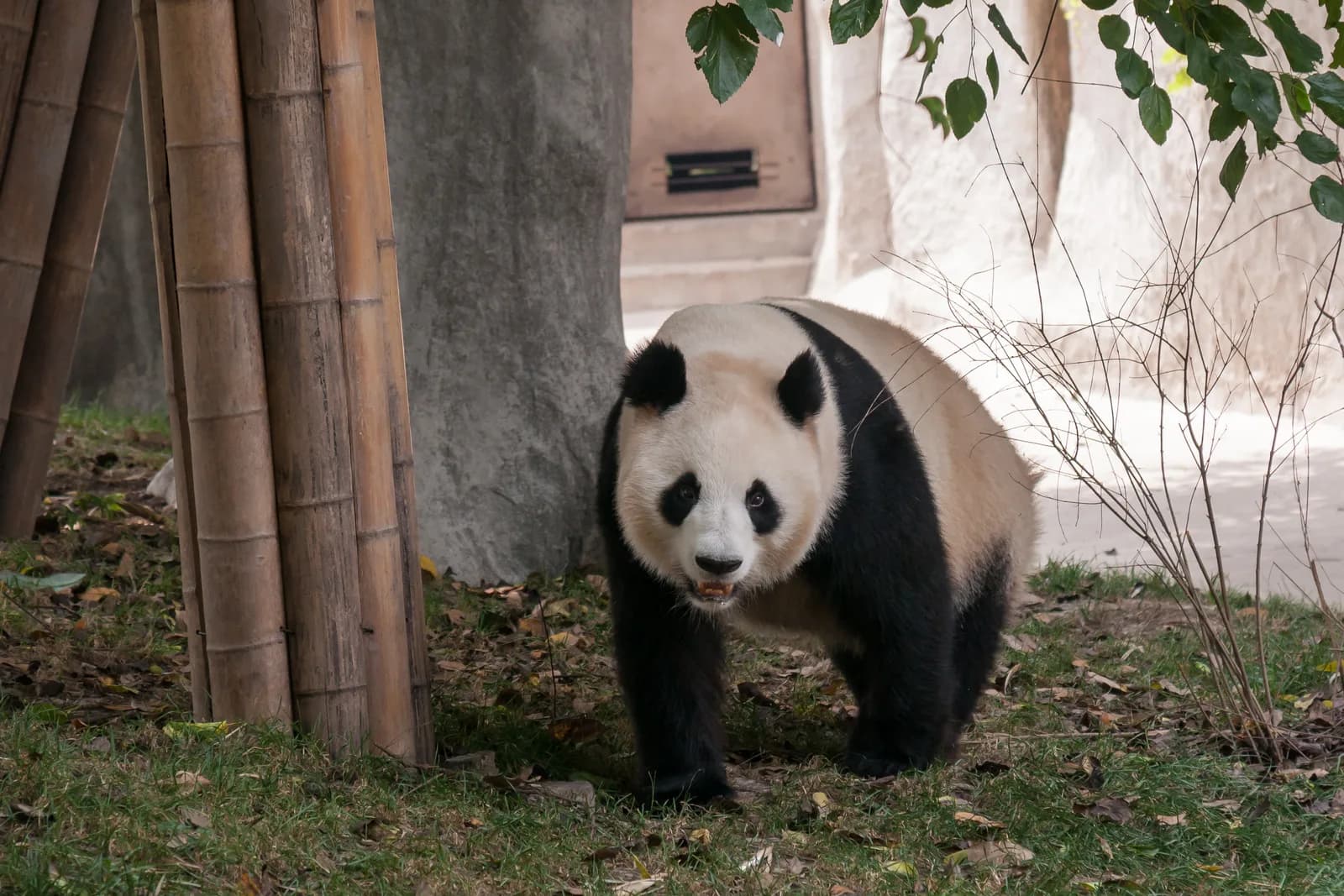
Book thisThe Chengdu Research Base of Giant Panda Breeding is the reason half the city's visitors booked the flight, and the entire experience hinges on one decision: what time you arrive. Tickets are about 55 yuan, capped daily and split into morning and afternoon entry windows, and they must be booked online in advance, a few days to a week ahead, because same-day and holiday slots sell out. The gates open at 7:30am, the pandas do their eating and climbing between roughly 7:30 and 9:30, and the tour buses arrive around 9. Recent reports are unanimous: arrive at opening and head straight for the nurseries, and the base is one of the best wildlife experiences in China; arrive at 11 and it is a hot walk between sleeping animals. Getting there independently is straightforward, a Didi or Metro Line 3 plus a short shuttle hop, and plenty of travelers book a morning tour just for the guaranteed early pickup.
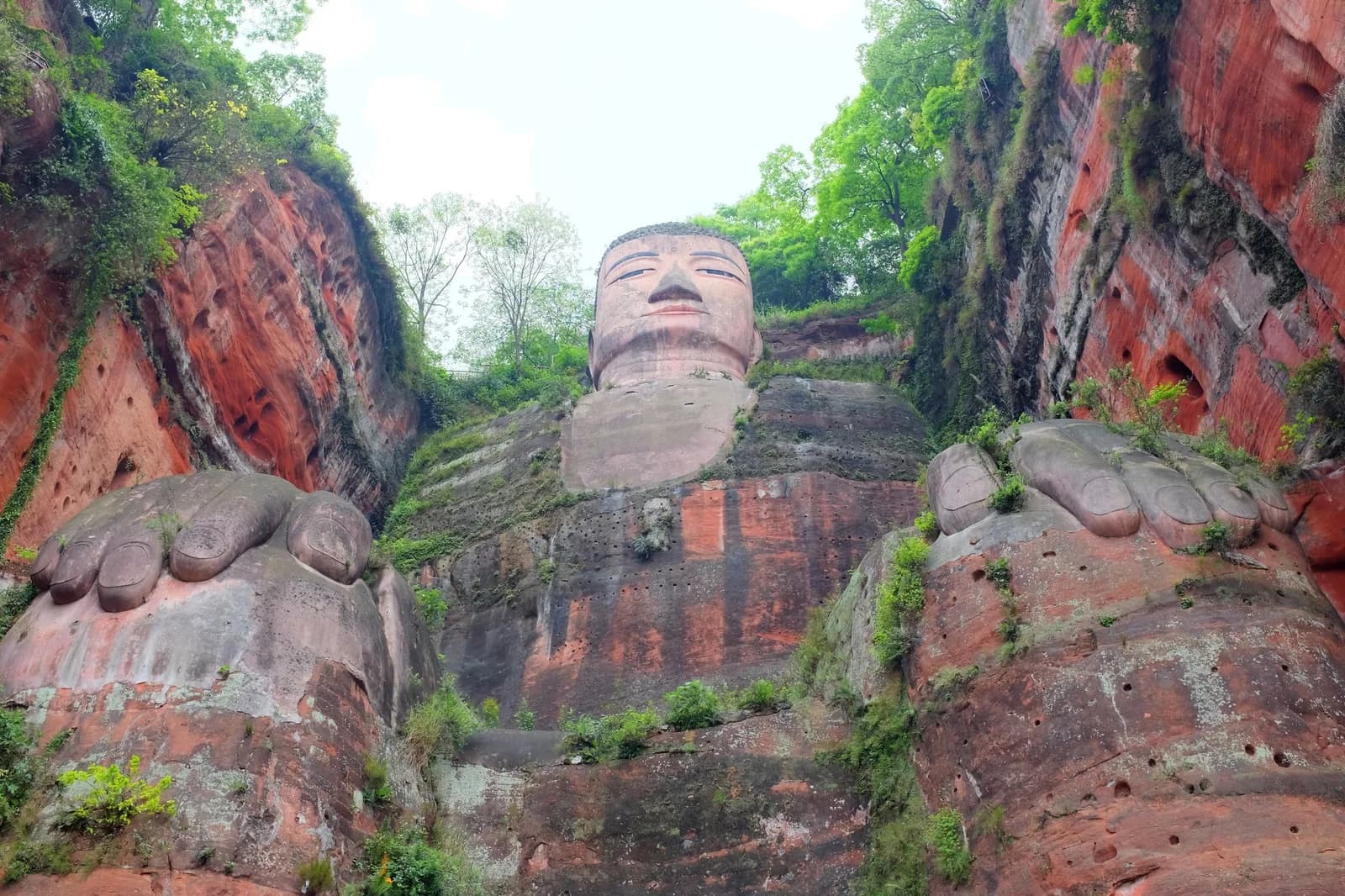
The Leshan Giant Buddha is the biggest single sight in Sichuan, a 71-meter seated Buddha carved into the cliff where three rivers meet, begun in the year 713 and still the largest stone Buddha in the world. The logistics are kind: high-speed trains from Chengdu East or Chengdu South reach Leshan in about 45 minutes to an hour for around 54 yuan in second class, then a local bus or Didi covers the last 20 to 30 minutes. Entry is 90 yuan. The real choice is boat versus staircase. The 70-yuan river boat gives you the full figure in one frame, head to toes, in a 40-minute round trip; the cliff staircase puts you at the Buddha's feet but recent visitors report one-to-two-hour queues on busy days. The consistent verdict in recent accounts: boat first for the view, then climb only if the queue looks sane. Book train tickets a few days ahead in April, May, October and on any weekend.
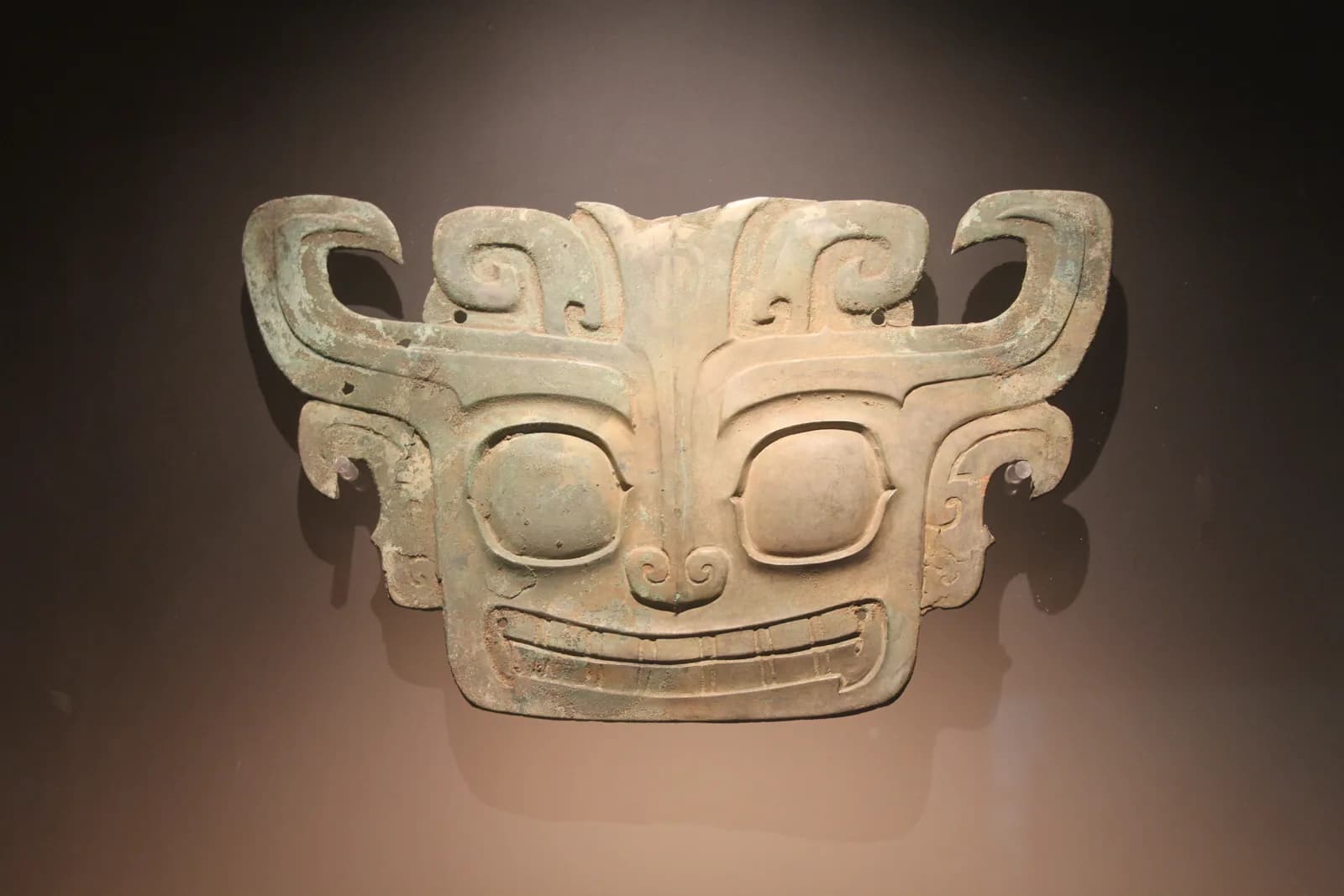
Sanxingdui is the day trip recent travelers upgrade from "if there is time" to "clear a day for it." The museum, about 40 kilometers northeast near Guanghan, holds the bronzes of the ancient Shu kingdom: masks with protruding eyes, a bronze tree of birds and dragons, gold scepters, all of it over 3,000 years old and stylistically unlike anything else excavated in China. A vast new museum building opened in 2023 and the displays are consistently rated world-class. Tickets are around 100 yuan and sell out, so book ahead. Getting there: high-speed rail from Chengdu East to Guanghan North in about 20 minutes then city bus 13 to the gate, or the direct tourist shuttle that leaves from Chunxi Road roughly hourly and takes about 90 minutes.
If a fourth day opens up, Mount Qingcheng and the Dujiangyan irrigation works are the do-it-yourself option travelers add most often: high-speed trains from Chengduxi station reach Qingchengshan in well under an hour for 10 to 27 yuan, front-mountain entry runs about 90 yuan, and a cable car spares you the full climb. It is the green, quiet counterweight to a Leshan day, Taoist temples strung up a forested mountain, and it trades queues for stairs.
| Trip | Time from center | Cost (approx.) | Effort | Verdict |
|---|---|---|---|---|
| Panda base | ~40 min | ¥55 | Half day, early start | Non-negotiable, gates at 7:30am |
| Leshan Giant Buddha | ~1.5 hrs door to gate | ¥90 entry + ¥70 boat + ~¥110 trains | Full day | Boat first, climb second |
| Sanxingdui Museum | ~1-1.5 hrs | ~¥100 entry | Most of a day, indoors | Best museum day in Sichuan |
| Jinli + Kuanzhai lanes | In town | Free to enter | One shared evening | Weekdays only, late afternoon |
| Sichuan opera | In town | From ~¥180 | 90 minutes | Book the teahouse seats |
The food, which threads through all of it
Chengdu was UNESCO's first City of Gastronomy in Asia, and the food is not a category of the trip so much as its connective tissue. Hotpot is the headline: the mala broth, all Sichuan pepper numbness under the chili burn, ordered as a split pot if your table spans spice tolerances. Recent visitors wary of the full burn point to chains like Shu Da Xia, which run milder mushroom and tomato broths beside the classic red, and the practical advice repeats across reports: book a table ahead, go on a night with no early start after it, and treat the sesame-and-garlic dipping bowl as the volume control.
Mapo tofu is the dish with a street address, invented in the 1860s at what is now Chen Mapo Tofu, whose Luomashi flagship still serves a version recent diners describe as richer, hotter and more fermented than anything exported under the name; the move is mapo tofu with rice plus a bowl of cold bingfen jelly to put the fire out. Add Long Chao Shou's wontons in chili oil near Chunxi Road, dan dan noodles from the small shops off the heritage lanes, and Jinli's rabbit heads after dark, and the eating itinerary writes itself.
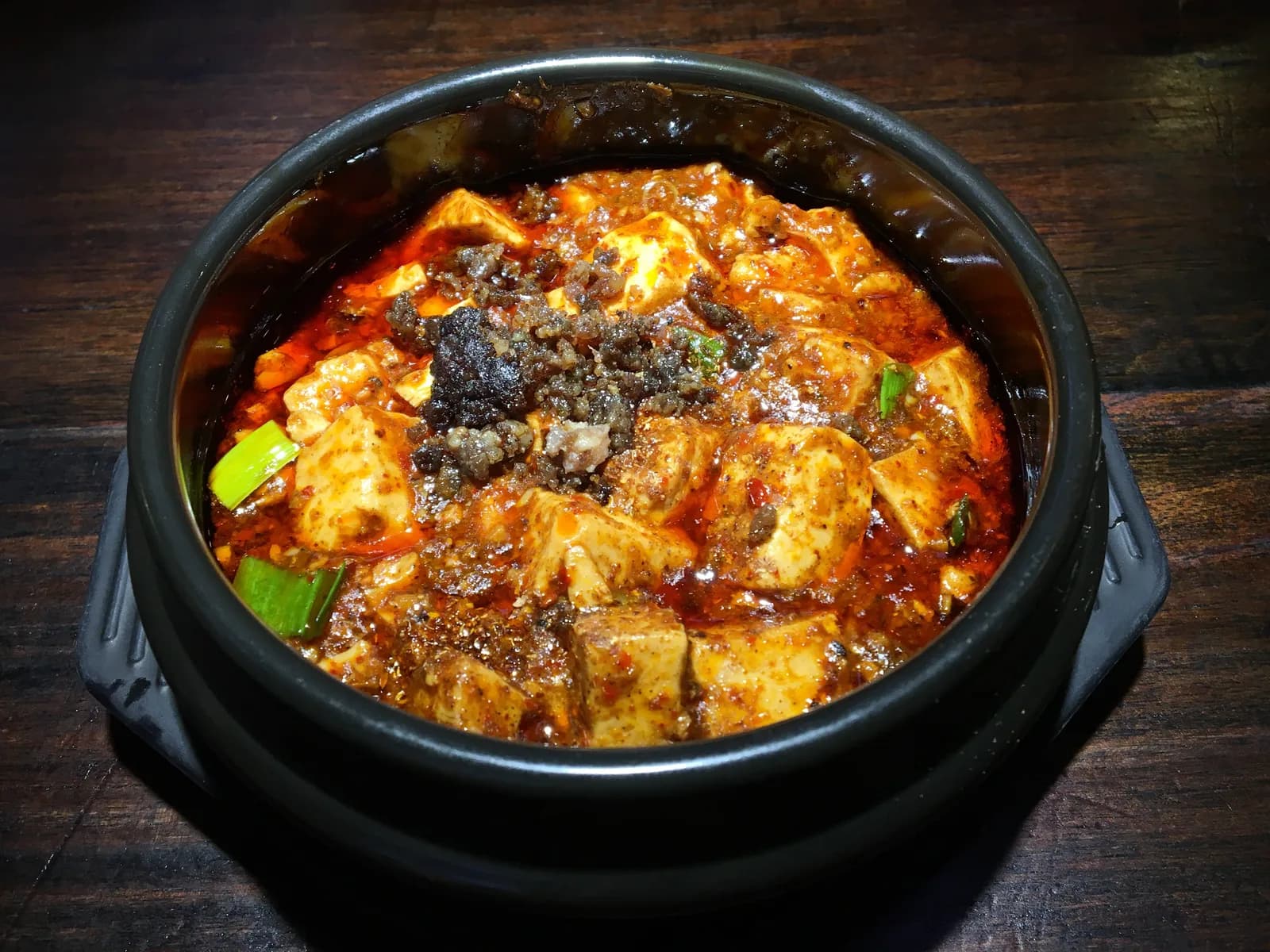
What pulls me hardest is the doubanjiang, the fermented broad-bean chili paste underneath half these dishes. It plays the same load-bearing role miso plays in the kitchens I grew up around, deep, aged, umami-first, and tasting it at the source is the single thing I would build a Chengdu evening around. A guided first-night food tour is a reasonable shortcut to the map; after that, the teahouse-by-day, hotpot-by-night rhythm runs itself. For the other end of the spectrum on the same China route, my Shenzhen food guide covers the Cantonese counterweight to all this chili.
Where to sleep for all of this
The short version of the full Chengdu neighborhood guide: stay central, inside the first ring, and let the metro do the rest.
Three places to book in Chengdu
 Splurge
The Temple House
The luxury pick travelers keep naming: a restored Qing-dynasty courtyard folded into the Taikoo Li lanes, on top of the Line 2 and 3 interchange.
Check availability Courtyard quiet
Buddha Zen Hotel
A traditional courtyard boutique in the car-free lanes beside Wenshu Monastery, with a 9.6 location score from recent guests. No lift and a basic breakfast are the trade-offs.
Check availability Best value
Ji Hotel Chengdu Chunxi Road Taikoo Li
Clean, modern and directly on the Chunxi Road action for a mid-range price. Ask for a high floor; street noise is the one consistent note in recent reviews.
Check availabilityStay around Chunxi Road and Taikoo Li for a first visit: the Line 2 and 3 interchange underneath, 24-hour food at street level, and direct runs to the panda base and both railway stations. Stay in the Kuanzhai Alley area if teahouses and evening opera matter more than shopping, accepting thinner hotel stock. Stay near Wenshu Monastery for the calmest central option, old lanes and monastery bells over mall noise. The full stay guide argues the trade-offs zone by zone.
Getting there and when to go
Chengdu has two airports. Tianfu International (TFU) is the big newer hub out to the southeast, linked by the Line 18 express to Chengdu South station in about 35 minutes; Shuangliu (CTU) is older and much closer in. The fare gap between them can be large, so compare flights into both Chengdu airports before booking. By rail, Chengdu anchors western China: Chongqing in about 90 minutes, Xi'an in three hours, and Guiyang in about 3.5, close enough that pairing this trip with Guiyang's waterfalls and Miao villages is a genuinely good week, with its own stay guide covering the district logic. Travelers entering China through the Greater Bay Area can run the Hong Kong to Shenzhen crossing first, base up using my Shenzhen hotel guide, then ride the high-speed network west.
Getting around once you land is the easy part. The metro is bilingual, runs roughly 6am to 11pm, and Lines 1, 2 and 3 cover nearly everything in this post; Didi fills the gaps for a few yuan per kilometer, and QR payment through Alipay or WeChat Pay, both now linkable to foreign cards, handles everything from metro gates to teahouse bills. Set the apps up before you fly, keep a little cash for the smallest street vendors, and Chengdu runs without friction.
Timing: March to June and September to November are the windows, around 15 to 27C with the clearest air the humid basin offers. Summer is a wet sauna, winter a grey haze, and the early-October national holiday week floods every site in this post. The pandas do not care about any of this, but your Leshan photos will.
Recommendations
- Lock in panda base tickets the day your travel dates are fixed, and set an alarm for the 7:30am gate.
- Do Jinli and Kuanzhai on the same weekday afternoon-into-evening; skip both on weekends if you can.
- Take the boat at Leshan before deciding on the staircase; the queue at the top tells you everything.
- Book Sanxingdui tickets ahead and give it a full half day inside; the shuttle from Chunxi Road removes the transfers.
- Claim a bamboo chair at Heming Teahouse by mid-morning and let one afternoon go unplanned.
- Eat lunch at Wenshu Monastery's vegetarian restaurant; the 19-yuan maocai is the sleeper meal of the city.
- Set up Alipay or WeChat Pay, Amap and a translation app before landing; the metro is bilingual but the street is not.
- Book Shufeng Yayun a day or two ahead in high season and take the teahouse seating tier.
Chengdu's prices, entry rules and booking windows shift often enough that guides date fast, so if you have walked these places more recently and something has moved, tell me and I will update this. The shape of the trip is stable, though: one teahouse day, one 7:30am panda gate, one Buddha or one bronze mask, and every night ending in chili and Sichuan pepper. Decide where you are sleeping first, then let this list fill the days.
Frequently asked
How many days do you need in Chengdu?
Three to four. One day covers the city itself: People's Park, Wenshu Monastery, the Kuanzhai and Jinli lanes and an evening of Sichuan opera. One early morning belongs to the panda base, and one or two more days go to Leshan Giant Buddha or the Sanxingdui Museum. Travelers who budget only a day or two consistently report leaving with half the list undone.
How do you visit the Chengdu panda base and avoid the crowds?
Book online a few days to a week ahead, because same-day and holiday slots sell out, and be at the gate when it opens at 7:30am. The pandas eat and climb between roughly 7:30 and 9:30am, and the tour buses arrive around 9, so the first ninety minutes are worth more than the rest of the day combined. Head for the nurseries first, then work outward.
Can you do the Leshan Giant Buddha as a day trip from Chengdu?
Easily. High-speed trains from Chengdu East or Chengdu South reach Leshan in about 45 minutes to an hour for around 54 yuan in second class, then a local bus or Didi covers the last 20 to 30 minutes to the site. Entry is 90 yuan, and the optional river boat is another 70. Book train tickets a few days ahead in peak season, and expect the cliff staircase queue to eat one to two hours on busy days.
Is the Sanxingdui Museum worth the trip from Chengdu?
Recent visitors consistently rate it among the best museums in China, and the bronze masks of the ancient Shu kingdom look like nothing else in the country. The new museum building opened in 2023 about 40 kilometers from the city: take a 20-minute high-speed train to Guanghan North then bus 13, or the direct tourist shuttle from Chunxi Road in about 90 minutes. Tickets are around 100 yuan and sell out, so book ahead.
Where can you see Sichuan opera face changing in Chengdu?
The venue recent travelers name most is Shufeng Yayun on Qintai Road, a teahouse theater whose nightly 8pm variety show runs about 90 minutes and covers face changing, fire spitting, shadow puppetry and Kung Fu tea pouring. Tickets start around 180 yuan and better seats come with tea service. Book a day or two ahead in high season.
Is Jinli Ancient Street worth visiting?
Yes, with expectations managed. Jinli and the Kuanzhai alleys are reconstructed heritage lanes, heavily commercial and genuinely packed on weekend evenings, and recent reports are blunt about the crowds. They still earn a visit for the lantern-lit architecture and the street food, so go on a weekday, arrive in late afternoon and stay into the light-up.
When is the best time to visit Chengdu?
March to June and September to November. The shoulder seasons sit around 15 to 27C with the clearest air the humid Sichuan basin offers. Summer is hot and sticky, winter grey and hazy, and the national holiday weeks in early October and around Chinese New Year swamp every site on this list.
More from the journal
Qianling Park, Guiyang: The Macaques, Hongfu Temple and How to Visit Without Losing Your Snacks
Emeishan Day Trip from Chengdu: What One Day on Mount Emei Really Buys You (and When to Stay the Night)
Hong Kong to Shenzhen Border Crossings: All Seven Doors Compared, and Which One Your Day Actually Needs