Things to Do in Medellín: Comuna 13, Guatapé and the City's Real Menu
The Medellín days worth planning: an honest Comuna 13 take, the Guatapé day trip by bus or tour, Metrocable rides, football nights and coffee farms.
Ask five recent visitors what to do in Medellín and the same five answers come back every time: Comuna 13, Guatapé, the Metrocable, the walking tour, and eating until the trip ends. The interesting part is the ranking, because it has shifted. The reports from the last two years consistently rate the cheap public things (a cable car on a transit fare, a tip-based walking tour, a 50,000-peso football ticket) above some of the heavily marketed ones, and they are increasingly honest that the most famous tour in the city comes with an asterisk. This guide is the full menu with prices and logistics current as of 2026, ordered by how well each thing holds up, with the day trips compared side by side so you can pick the one your itinerary can actually fit.
How the city's menu actually divides
Medellín splits its attractions into two piles, and knowing which pile you are in saves whole days. The first pile is inside the city and mostly costs almost nothing: Comuna 13, the Metrocable lines, Plaza Botero and the walking tour, Pueblito Paisa, a match at the stadium. All of it hangs off the metro, which is the city's pride and the connective tissue of every itinerary. The second pile is the day trips: Guatapé is the headline, with coffee farms and the Santa Elena flower farms as quieter alternatives, and each one eats a full or half day including the drive.
The practical consequence: base yourself somewhere on the metro and the first pile costs you almost nothing to reach. My where to stay in Medellín guide covers that decision in full, and the short version is El Poblado for a first short visit, Laureles for anything longer. Food deserves equal planning to the sights, and the where to eat in Medellín guide is built around the neighborhoods this post will drag you through, El Centro and Comuna 13 included.
Comuna 13, honestly
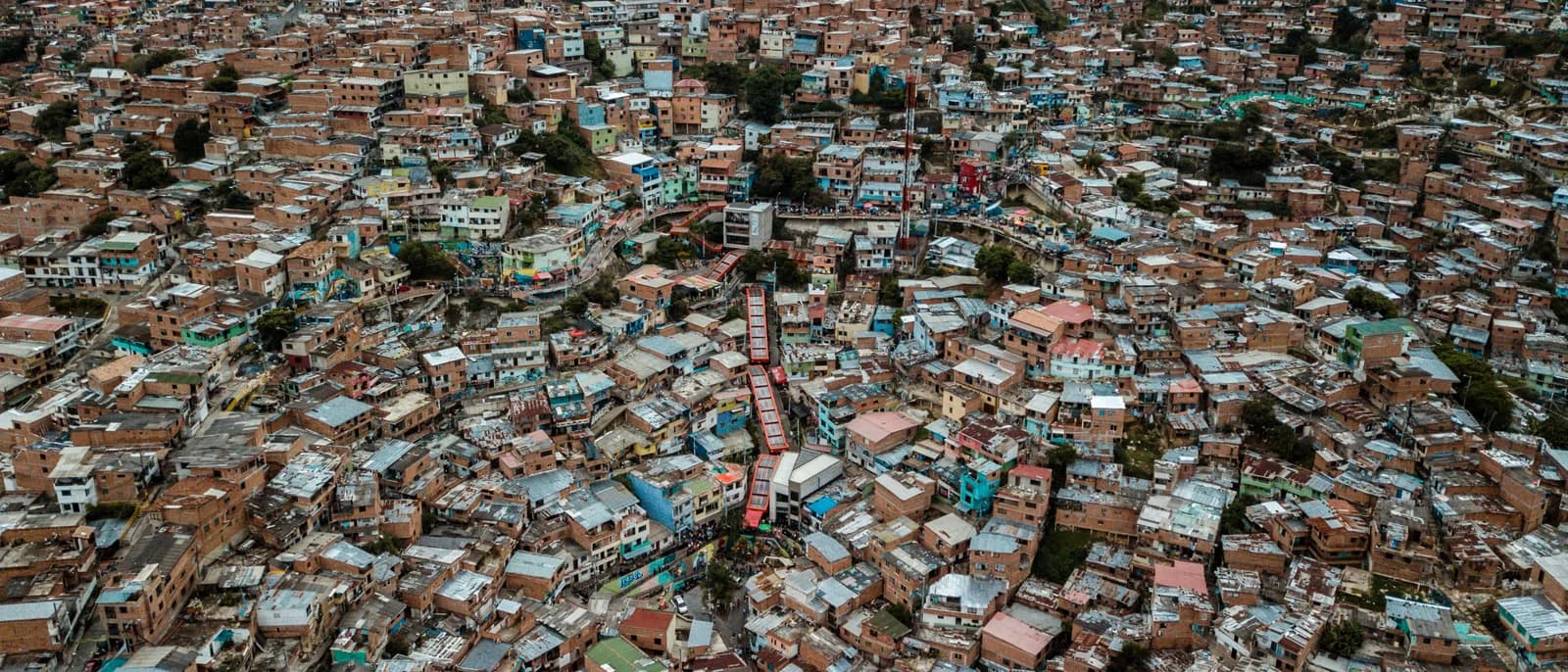
Comuna 13 is the most famous thing to do in Medellín and the one that most needs an honest framing in 2026. The transformation is real: a neighborhood that was among the most dangerous in the city two decades ago, scarred by Operation Orion in 2002, now moves visitors up its hillside on six flights of outdoor escalators past murals, food stalls and breakdance crews. That story is why everyone goes.
The asterisk is what success has done to it. Recent reports describe weekend crowds dense enough to make the escalator route genuinely unpleasant, souvenir stalls crowding out the murals they frame, and growing local criticism that the money flowing in does not reliably reach the community whose grief built the story. One widely shared 2025 piece was titled, flatly, "Why we're no longer visiting Comuna 13." I would not go that far, and neither do most travelers, but the fix is specific: go on a weekday morning, and go with a guide who actually grew up there rather than the cheapest aggregator option. Operators like Zippy Tour staff their walks entirely with Comuna 13 locals, graffiti tours run about $15 to $25 per person, and the etiquette every good guide repeats is non-negotiable: this is a working neighborhood, not a set, so no photos of residents without asking. Budget for street food while you are up there; the mango biche popsicles at Cremas Doña Alba get their own line in my Medellín food guide.
The Metrocable is the best value in the city
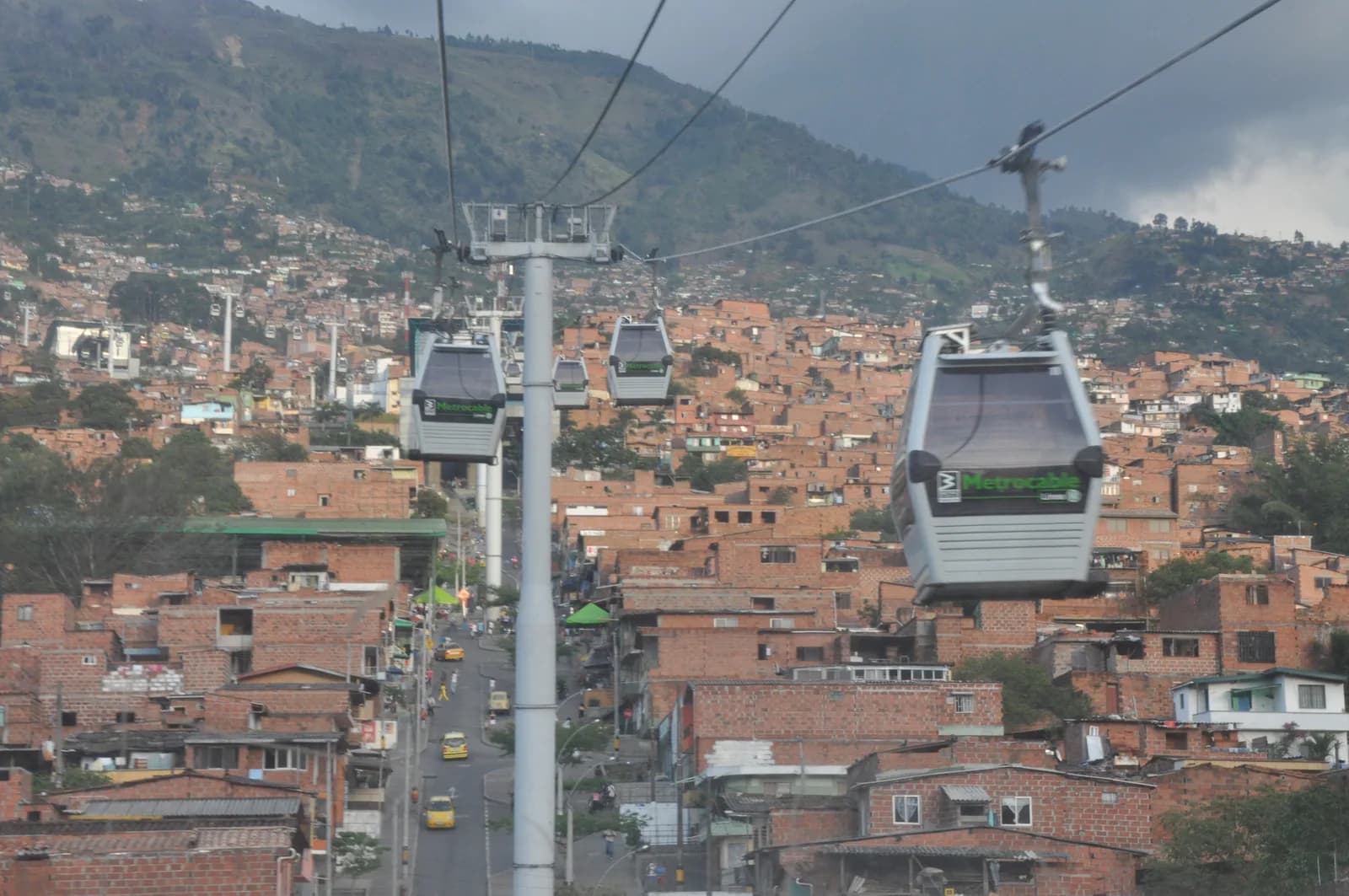
The cable cars are public transit, not an attraction, and that is exactly why they are the best-value hour in Medellín. Line K climbs from Acevedo station up the valley wall over the brick barrios to Santo Domingo on a normal metro fare, under 4,000 pesos, and the view down the Aburrá Valley at golden hour beats most paid lookouts in South America. From Santo Domingo, Line L continues over the ridge to Parque Arví, a 1,700-hectare forest reserve at 2,500 meters with marked trails and a small weekend market at the top station. Line L is the one exception to the transit pricing: it carries a separate fare of about 13,700 pesos and runs 9am to 6pm Monday to Saturday, from 8:30am Sundays.
The combination makes an easy half day: metro to Acevedo, Line K up, Line L over, two hours of cool-air walking, and back down before the afternoon rain. Ride etiquette matters here more than anywhere else in the city, because you are sharing commuter infrastructure: queue properly, keep bags close, and keep the noise down. The metro culture is a genuine point of civic pride, and travelers who treat it that way get treated well back.
Guatapé and El Peñol, the headline day trip
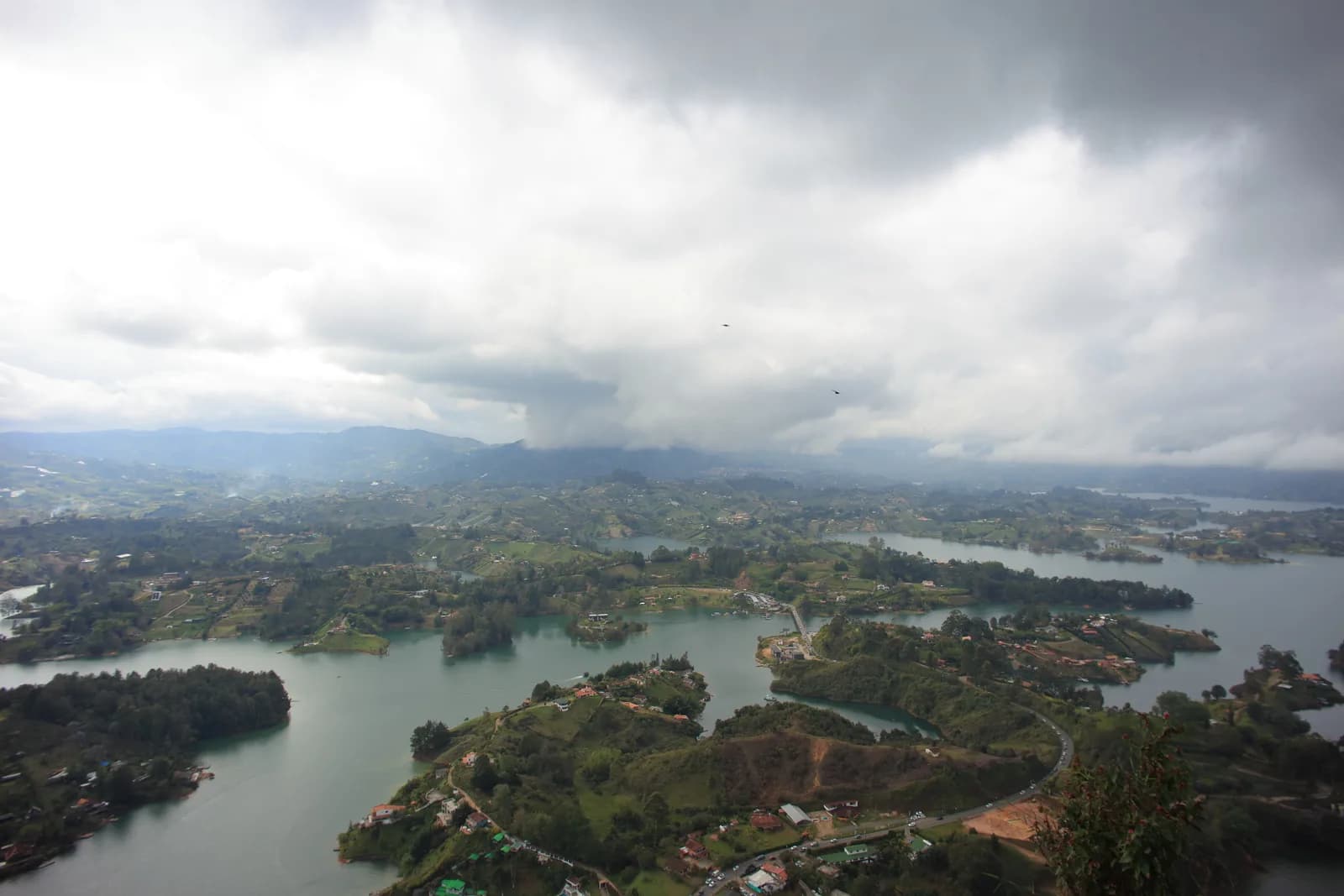
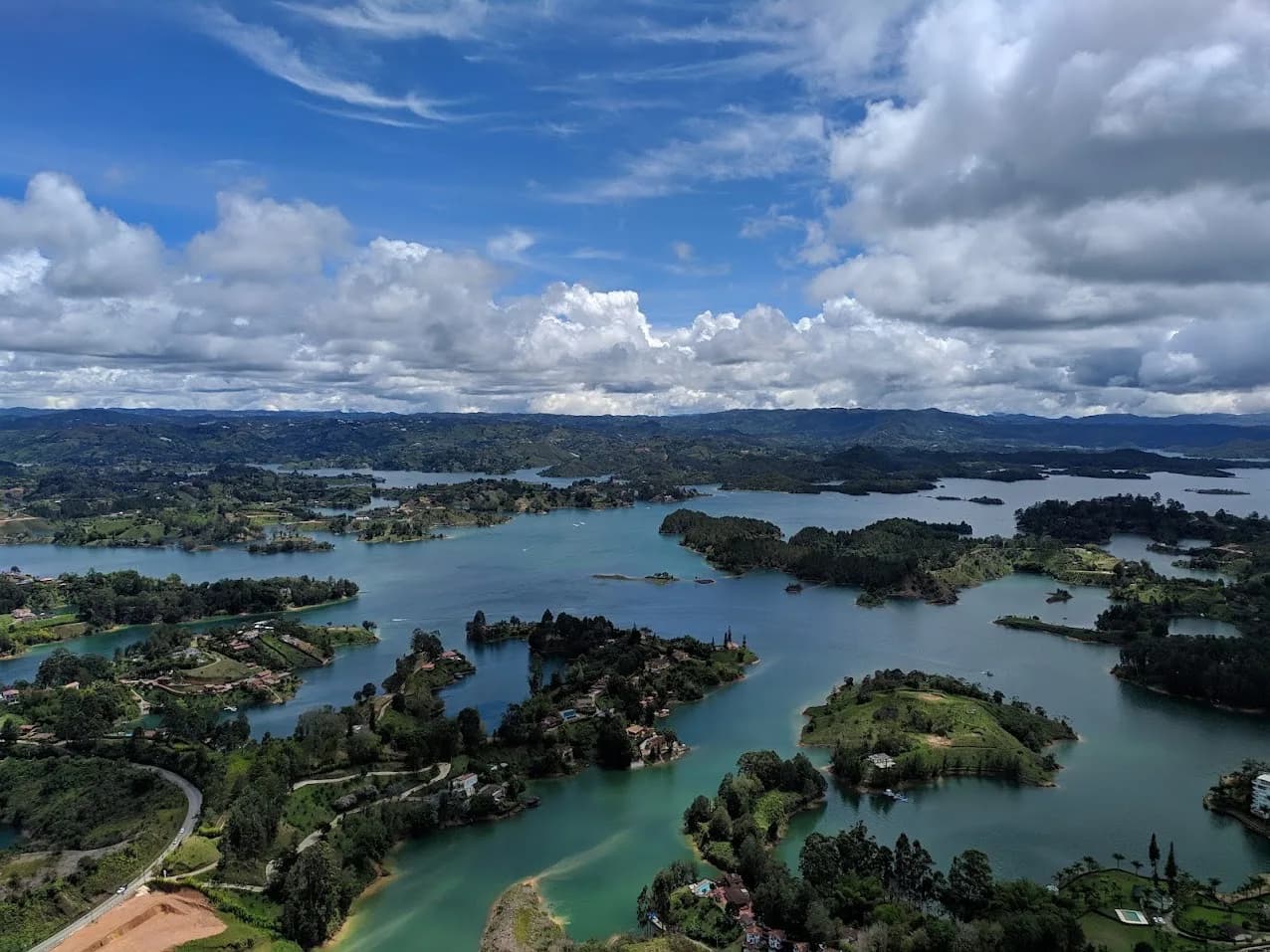
Every source agrees on the number one day trip, and the photo explains it: the Piedra del Peñol is a 200-meter granite monolith rising out of a drowned valley, with a staircase of 708 steps mortared into its crack and a view from the top over a maze of blue water and green islands. Forty minutes beyond it sits Guatapé, a lakeside town whose houses wear painted zócalo panels, and together they fill a day two hours east of the city.
Three things worth booking
 The headline
Guatapé and El Peñol day trip
Transport, the rock climb, a boat on the reservoir and lunch, handled in one booking. Tours leave early, which is the entire trick: the staircase bottlenecks by late morning.
Book this Book a local guide
Comuna 13 graffiti tour
Escalators, murals and breakdance with the history told by someone who lived it. Pick a weekday morning slot and a neighborhood-born guide over the cheapest listing.
Book this Worth the drive
Coffee farm half day
Working fincas about 45 minutes out walk you from cherry to cup, picking included. Group tours start cheap; private farm visits with lunch sit at the top of the range.
Book thisThe DIY version is cheap and easy. Buses leave Terminal del Norte, on the metro at Caribe, roughly every 30 minutes from about 5:30am, cost around 22,000 to 24,000 pesos each way and take two hours. Get off at the rock first: entry ran 20,000 to 30,000 pesos in 2025 reports, cash only at the base, and the climb takes most people 20 to 30 minutes with photo stops. A mototaxi covers the stretch between the rock and Guatapé town for about 10,000 pesos. Give the town ninety minutes for the zócalos, the waterfront and lunch, and catch a return bus by late afternoon, earlier on weekends when they sell out. Total DIY cost lands under $20 before food; the $30 to $50 tours buy you the early start, the boat and zero logistics.
Here is how the day trips compare, because most itineraries only fit one or two:
| Day trip | Time needed | DIY cost | Tour cost | Pick it if |
|---|---|---|---|---|
| Guatapé + El Peñol | Full day, 2 hr each way | ~$18-25 with bus and entry | $30-50 with lunch and boat | You have one day trip in you; this is the one |
| Parque Arví by Metrocable | Half day | ~$5 in fares | Not needed | You want altitude and forest without leaving the transit map |
| Coffee farm (Fredonia and other fincas) | Half day | Hard without a car | $25-90 | You will not make it to the coffee axis proper |
| Santa Elena silletero farms | Half day | Taxi or bus + farm entry | ~$30-60 | You are here near the August flower fair |
El Centro on foot, then out by dark
El Centro is the city's history and its chaos in one grid, and the unanimous advice from recent travelers is the same as in my stay guide: go by day, do not sleep there. The best way in is the Real City Tours free walking tour, running weekday slots at 10am and 2:30pm, 3.5 hours, tip-based, with sign-up opening about 36 hours ahead on their site and filling fast. It has been the city's benchmark tour since 2013, and the guides' willingness to talk about the violent decades without theatre is what reviewers keep praising.
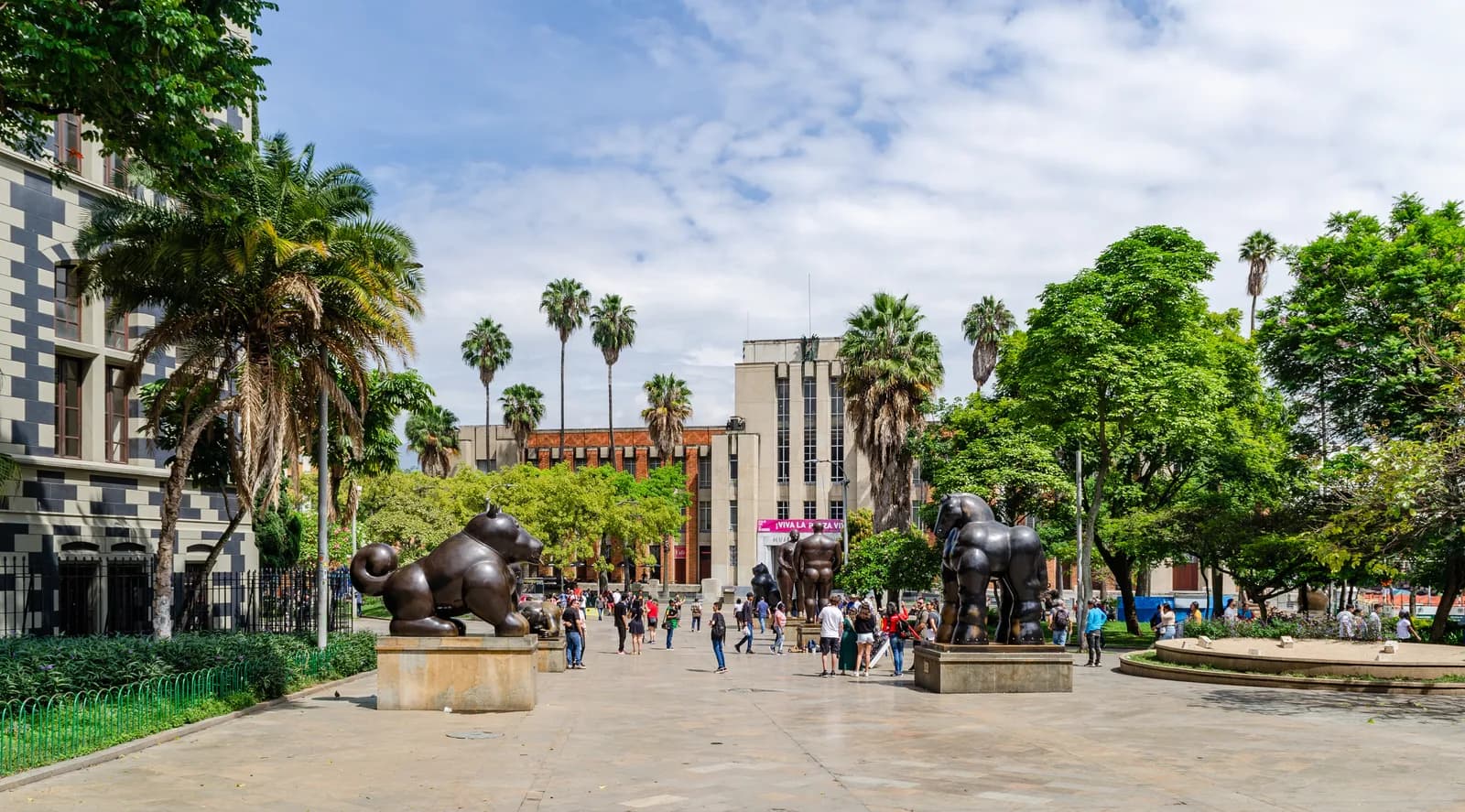
The anchor stop is Plaza Botero, where 23 of Fernando Botero's rounded bronzes sit in the open in front of the Museo de Antioquia, which is worth an extra hour for the painted versions. Watch your phone here, keep the day's plan daylight-only, and build lunch into it: the definitive bandeja paisa at Hacienda Junín is a ten-minute walk away, covered in the food guide. By 6pm, be on the metro home.
Pueblito Paisa and a football night
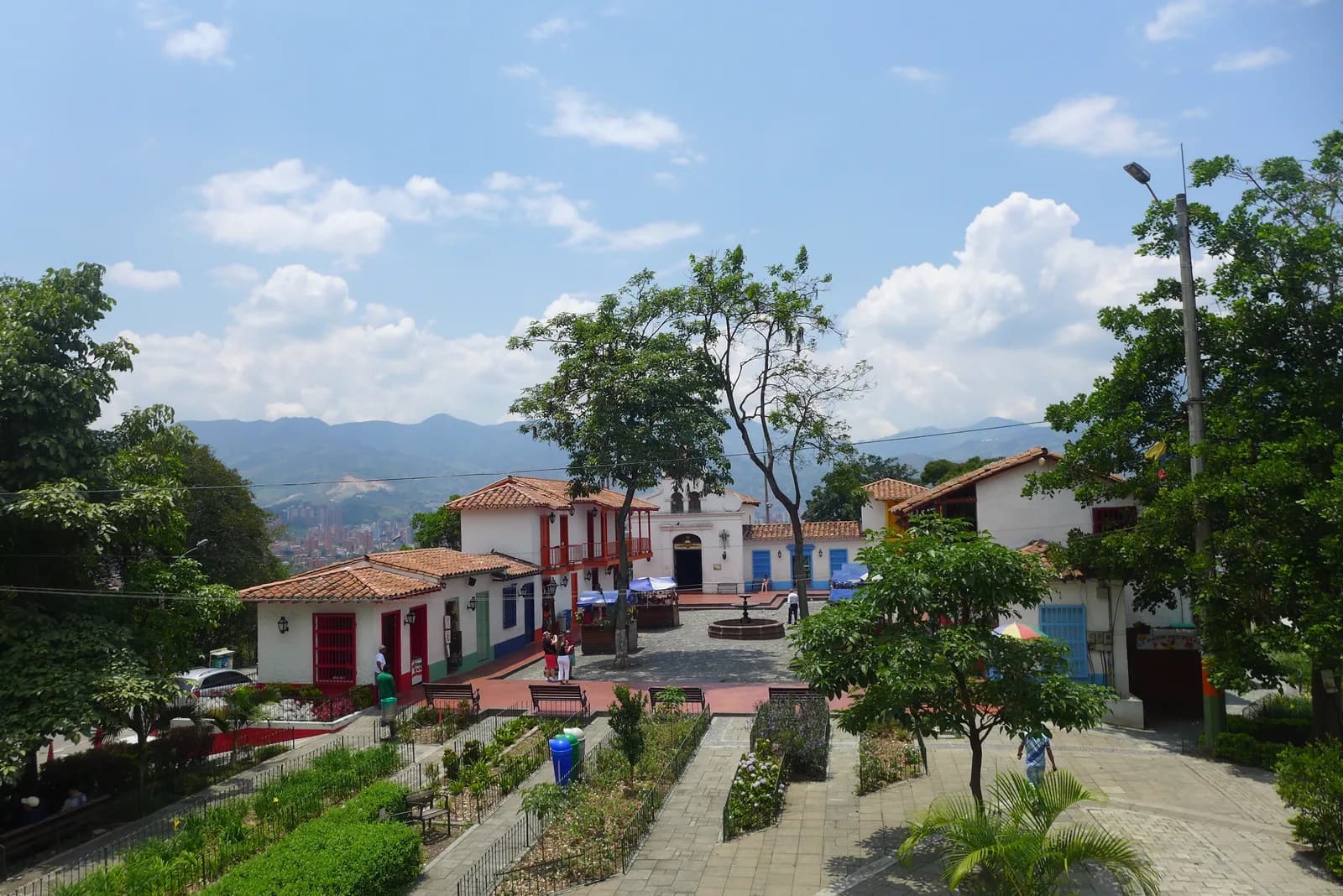
Two smaller items round out the city pile, one gentle and one loud. Pueblito Paisa is a replica Antioquian village on top of Cerro Nutibara, free to enter, done in under an hour, and visited mostly for the 360-degree view over the valley. The one firm rule from recent reports: ride up and down by taxi or app rather than walking the hill paths, which have a documented robbery problem. It pairs well with a lazy afternoon rather than deserving a dedicated one.
The football match is the opposite: loud, cheap and, by many accounts, the most memorable night of the trip. Atlético Nacional and Independiente Medellín share the Atanasio Girardot stadium, right on the metro at Estadio beside Laureles, and regular league tickets top out around 50,000 pesos, under $13. Nacional sells through the FANKI app with a free account and a foreign card, or through ticket outlets around town. The south stand is the barra brava's wall of drums and flags; the west and east stands watch it like a second show. If fixtures line up with your dates, this beats any paid "authentic Medellín experience" on the market, and travelers nervous about logistics can book a hosted match-night package instead.
Coffee farms, flower farms and the August question
Antioquia is coffee country, and half-day farm tours run from working fincas about 45 minutes outside the city, walking visitors from cherry to de-pulping to a proper tasting, usually with picking and often with lunch. Group versions start around $25 and private farm visits reach $90. The honest caveat: if your Colombia route already includes the coffee axis, do the farm day there instead, where the fincas are the point of the whole town. My Salento guide covers that base, and if you are choosing between the axis towns, the Salento versus Filandia comparison settles it.
The flower version is Medellín's own. The silletero families of Santa Elena, the mountain village above the city, have carried flower arrangements on wooden frames since long before it became the Feria de las Flores, the city's biggest festival, running July 31 to August 9 in 2026 and closing with the silleteros parade of more than 500 growers. In the week before the parade, Santa Elena farms open to visitors assembling the silletas by hand, which recent accounts rate as the most genuine version of the whole festival. Outside August, several farms still receive visitors year-round as a quiet half day, thirty minutes up the hill or combined with the Parque Arví cable car.
Where to stay for all of this
The full neighborhood breakdown, safety picture and metro logic live in the where to stay in Medellín guide; this is the activities version of that decision.
Three places to book in Medellin
 Social base
Los Patios Hostel
The big El Poblado hostel with two rooftop bars, a small pool and a tour desk that fills Guatapé vans daily. The easy pick for solo travelers stacking group day trips.
Check availability Design pick
The Click Clack Hotel
A design hotel with a rooftop pool on the edge of Provenza, walking distance to the restaurant strip. Ask for a high floor; the neighborhood parties below.
Check availability Local budget
The Wandering Paisa
A long-running Laureles guesthouse near La 70 with salsa classes and language nights, ten minutes on foot from the stadium for match night.
Check availabilityStay in El Poblado if this is a short first visit built around tours: every operator picks up here, and the restaurant and nightlife density fills the evenings between day trips. Stay in Laureles if the plan leans local: flat streets, the best everyday food in the city, and the stadium a walk away for match night. Stay in Envigado if you are here for weeks, want calm and value, and do not mind commuting in for the sights. Whatever the zone, book near a metro station; this whole itinerary runs on it.
Getting there and when to go
Medellín's international airport is José María Córdova, 25 to 40 minutes out through the tunnel, with the flat-rate white taxi at about 118,000 pesos and the Combuses shuttle at about 20,000 as the two clean arrival options. Domestic hops from Bogotá, Cartagena and the coffee axis are frequent and cheap enough that comparing fares before defaulting to a long bus is worth five minutes.
Timing is about crowds, not weather, since the temperature holds at 17 to 28 degrees all year. The Feria de las Flores week (July 31 to August 9 in 2026) is the city at full volume and full price. December holidays bring the famous Alumbrados lights and equally full hotels. The drier windows, December to March and June to August, suit the Guatapé climb and Arví trails best; the April to May and September to November rains are short afternoon showers that reorder a day rather than cancel it. If the coast is also on your route, the same planning logic for Cartagena lives in my things to do in Cartagena and where to stay in Cartagena guides.
Practical notes I would tell a friend
- Do Comuna 13 on a weekday morning with a neighborhood-born guide, and never photograph residents without asking.
- Ride Line K at golden hour on a transit fare before paying for any lookout, and remember Line L to Arví closes at 6pm.
- For Guatapé, leave by 7am whether by tour or bus, climb the rock before the town, and carry cash for the entry fee.
- Buy a Cívica card if you are staying more than a few days; the metro discount adds up across this itinerary.
- Check the Nacional and DIM fixture lists before locking your dates; a home match is the best $13 in Medellín.
- Book the Real City walking tour about 36 hours ahead; slots genuinely fill.
- Keep phones out of sight in El Centro and around Comuna 13's crowds; the no dar papaya rule from my stay guide applies double where tourists cluster.
- Plan lunches, not dinners, around the sights; the menú del día logic in the food guide is the cheapest way to eat well between activities.
Medellín's menu is not long, but almost everything on it is either cheap or genuinely good, and the best of it (the cable cars, the walking tour, the stadium) barely costs money at all. Prices and crowd patterns here move fast, so if you have been recently and something has shifted, tell me and I will update this. And if you are booking now: weekday morning for Comuna 13, 7am start for Guatapé, golden hour for Line K, and a match ticket if the calendar gives you one.
Frequently asked
What are the best things to do in Medellín?
The consensus core is five days of activity: the Comuna 13 graffiti tour, riding the Metrocable up the valley wall to Parque Arví, a full-day trip to Guatapé and the Piedra del Peñol, the free walking tour of El Centro with Plaza Botero, and either a coffee-farm half day or a football match at Atanasio Girardot. Food ties it together, and lunch is the meal to plan around.
How do I get to Guatapé from Medellín?
Buses leave Terminal del Norte roughly every 30 minutes from about 5:30am, cost around 22,000 to 24,000 pesos each way, and take about two hours. Get off at the Piedra del Peñol first, climb, then take a 10,000-peso mototaxi into Guatapé town. Organized tours run $30 to $50 with transport, the rock, a boat ride and lunch included.
How much does the Piedra del Peñol cost to climb?
Entry rose to 35,000 pesos on 1 January 2026, up from 30,000 in 2025, payable in cash at the base, and the climb is 708 steps up a masonry staircase wedged into the crack. Most people take 20 to 30 minutes up with photo stops. Go early on a weekday; the staircase bottlenecks badly by late morning on weekends.
Is the Comuna 13 tour worth it, and do I need a guide?
Yes, with adjusted expectations: the escalators, murals and dance crews are real, but the area is now heavily commercialized and recent reports describe serious weekend crowding. You can walk it free, but a guide who grew up in the neighborhood turns murals into history, and tours run about $15 to $25. Go on a weekday morning and do not photograph residents without asking.
How many days do you need in Medellín?
Three to four days covers the core: Comuna 13, the Metrocable and Parque Arví, El Centro's walking tour and Plaza Botero, plus a full day at Guatapé. Add a fifth day for a coffee farm or a football match. Slow travelers stay weeks, but the headline activities fit comfortably into a long weekend plus one extra day.
When is the best time to visit Medellín for things to do?
The climate barely moves, 17 to 28 degrees year-round, so the real calendar question is the Feria de las Flores, running July 31 to August 9 in 2026 and closing with the silleteros parade. It is the city at its best and its busiest, so book beds early or aim for December to March, the drier months. Rainy seasons around April to May and September to November bring short showers, not ruined days.
Can tourists go to a football match in Medellín?
Yes, and it is one of the cheapest big experiences in the city: regular league tickets at Atanasio Girardot top out around 50,000 pesos. Atlético Nacional sells through the FANKI app and city ticket outlets, and the stadium sits on the metro at Estadio, next to Laureles. Sit in the west or east stands for a calmer view; the south end belongs to the barra brava.