Things to Do in Jardín, Colombia: The Garrucha, the Cave, the Birds and the Plaza
The garrucha, Cueva del Esplendor, cock-of-the-rock birdwatching, coffee jeep tours, paragliding and the plaza café ritual, at real 2026 prices.
Jardín's activity list looks short on paper: two cable cars, a cave, a bird, some coffee farms, a square. That brevity is misleading, and the pattern in recent traveler reports proves it, because the recurring story is people who booked two nights and stayed a week. In 2024, UN Tourism put Jardín on its Best Tourism Villages list, the only Colombian town that year, and the road from Medellín now takes about three hours. I have already written up where to stay in Jardín, which covers the zones and the surprisingly good hotels. This post is the other half of the decision: what the days actually hold, what each thing costs in 2026, and how many of them the town deserves. I haven't filmed Jardín yet, so this is built from the pile of recent firsthand accounts, which happen to agree with each other to an unusual degree.
The shape of a Jardín day
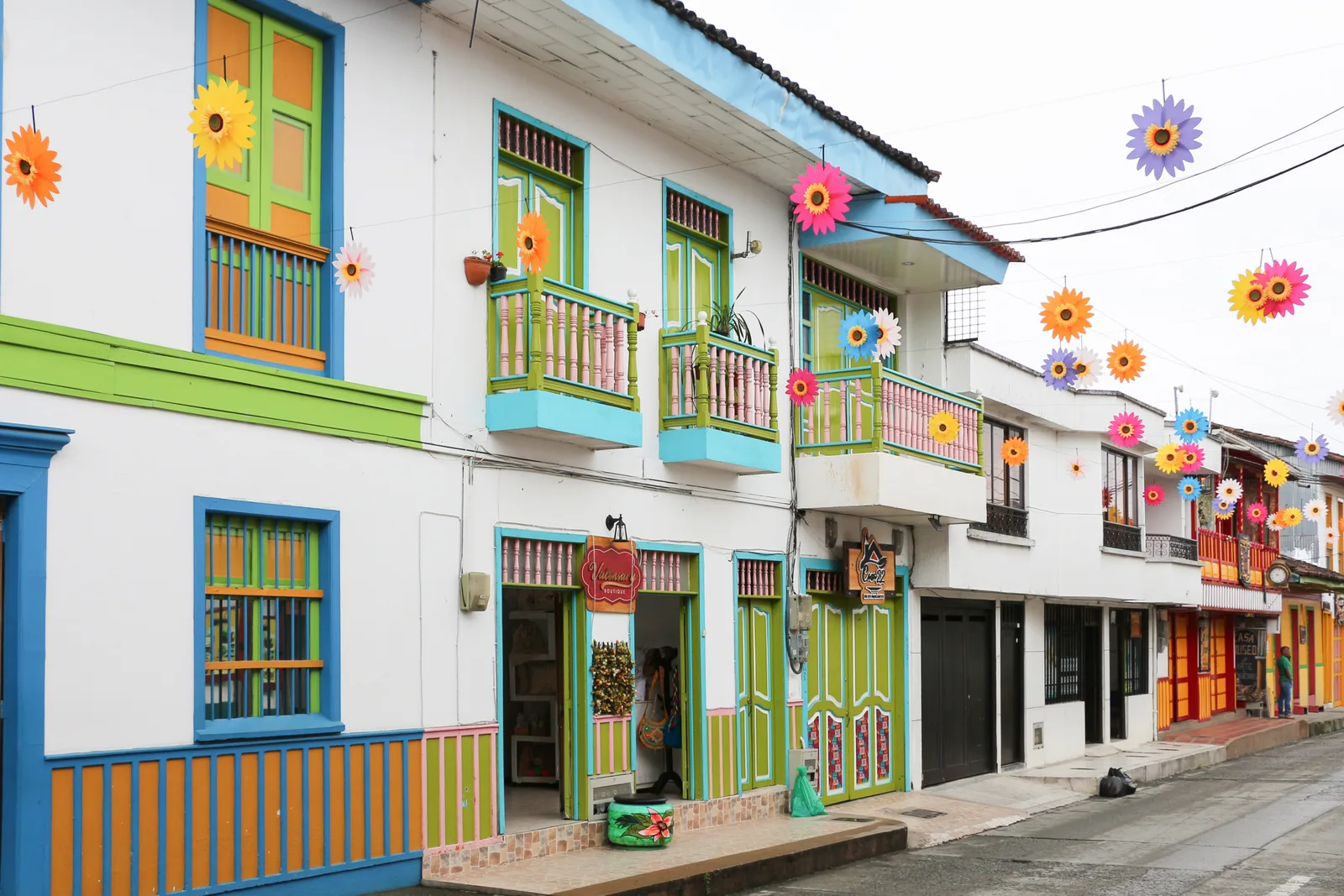
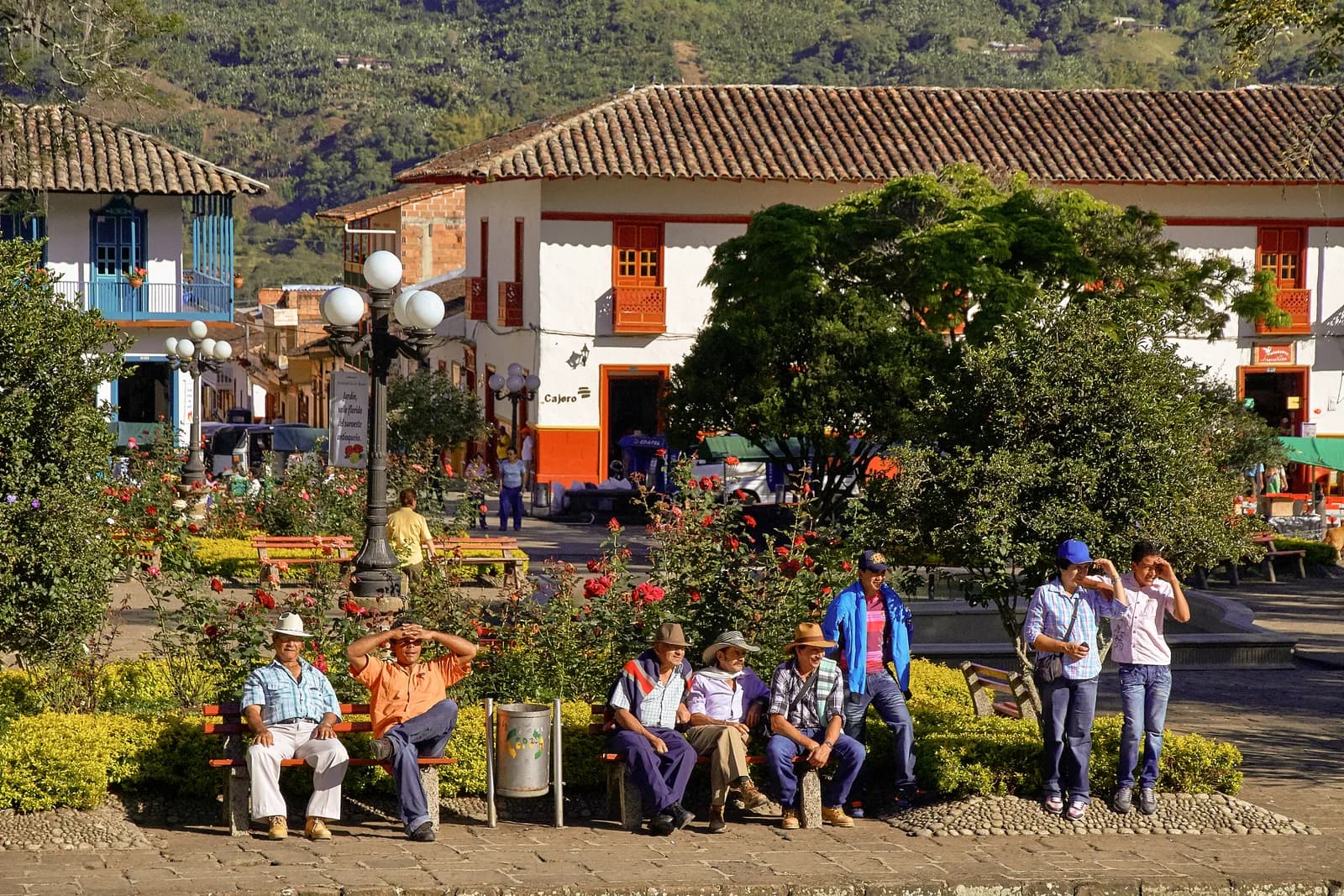
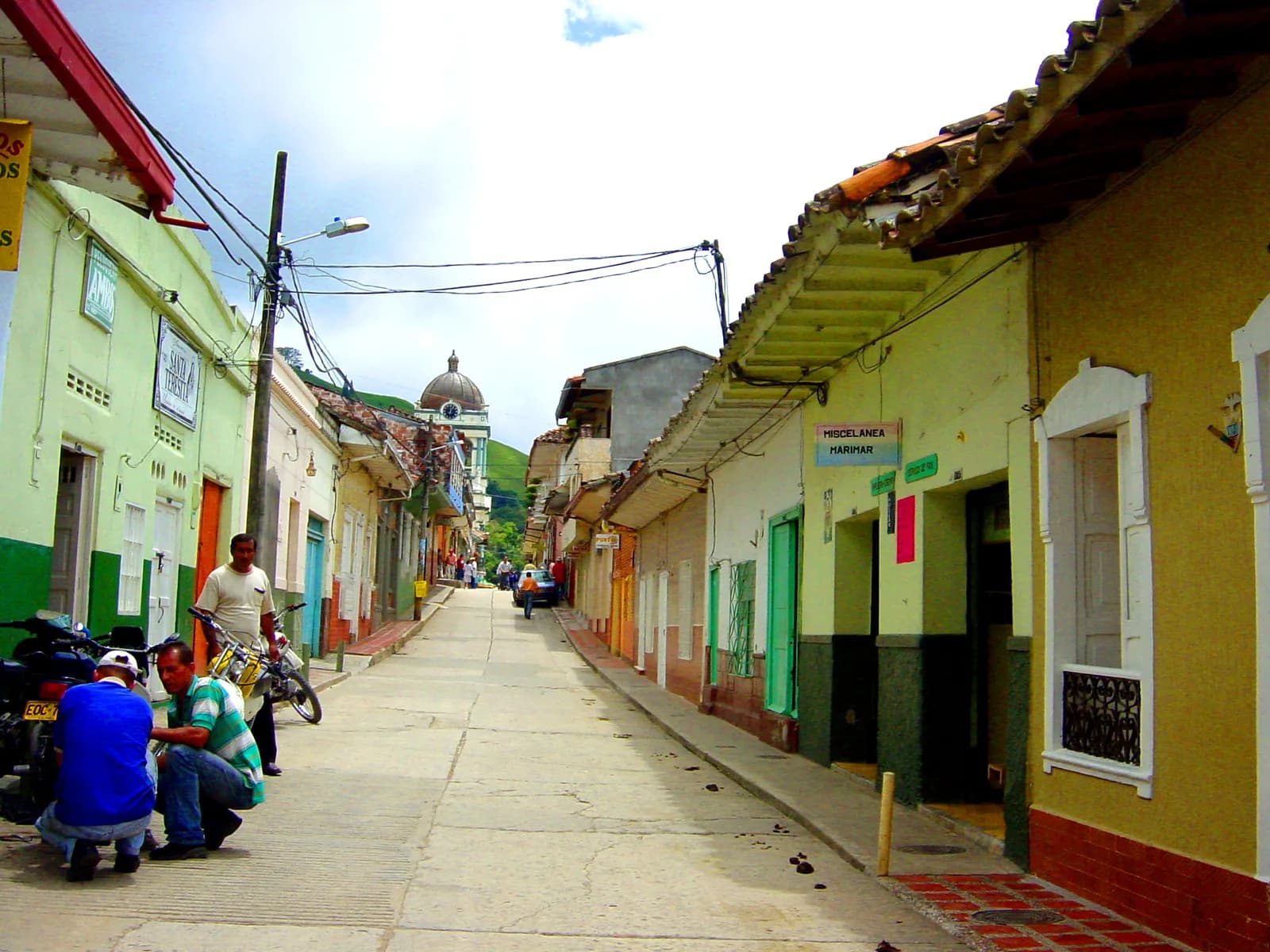
The geography does the itinerary planning for you. Jardín is a compact colonial grid in a green bowl of hills, with the Parque Principal and its grey stone basilica as the center of gravity and nearly everything bookable within five blocks. The hills hold the rest: two cable cars, the coffee farms, the trout farms, the cave and the paragliding launch. So a Jardín day has a natural shape that recent reports keep describing the same way. Mornings go up, into the hills, before the afternoon cloud rolls over the ridgelines. Late afternoon belongs to the birds, whose display runs on a schedule. Evenings belong to the plaza, which is not the thing you do after the attractions; by most recent accounts it is the attraction.
The other structural fact is the calendar. Jardín is a genuinely Colombian destination, and Saturdays bring Medellín weekenders, paso fino horses tied up outside the bars and music past midnight, while a Tuesday gives you the town running at its own rhythm. Neither is wrong, but the same activity list feels like two different towns depending on the day of the week you work through it.
Ride the garrucha first
The garrucha is the correct first move because it doubles as orientation. It is a wooden box on a wire, built in the 1990s so a farmer could cross the Río Volcanes gorge, and it still rattles from the edge of town up to a hillside café with the whole red-roofed grid laid out below. Recent visitors put the fare at 5,000 to 6,000 COP each way, about 12,000 COP return, running to 6pm on weekdays and a little later on weekends. It is held together by an old truck engine and two anchored cables, and January 2025 national press coverage treated it as the charming artesanal solution it is rather than a safety story.
On the opposite side of town, a modern cable car climbs to the Cristo Rey viewpoint for about 5,000 COP round trip, which means you can do a different hillside each day and collect both angles on the valley. The standard move in recent reports, and the one I would copy, is to ride up, take the coffee at the top slowly, and walk back down through the farms. Do it in the morning: the afternoon cloud is reliable enough here that every viewpoint activity in this post carries the same instruction.

The big outings: the cave, the coffee jeeps and the parapente
Three things worth booking
 The signature trip
Cueva del Esplendor guided trip
A waterfall pouring through a hole in the roof of a cave, reached by jeep and about an hour of walking. The guided price includes transport, guide, snacks and entry, and it secures a slot under the 40-visitor daily cap.
Book this Traveler favourite
Finca Mariposa coffee and Willys jeep tour
A 1954 Willys jeep up to a hillside farm of six thousand coffee trees, a picking basket strapped to your waist, and the full wash-ferment-dry chain explained in English. Recent reviews single out the guiding as the best part.
Book this Biggest view per peso
Tandem paragliding over the valley
La Tienda del Parapente has flown tandems here since 2013 from a launch about 5 km above town. Around 110,000 COP as of early 2026, GoPro footage about 20,000 more, flights daily when the weather cooperates.
Book thisCueva del Esplendor is the trip that fills a second day, and the logistics reward a decision made in advance. The cave sits on private farmland in the hills, a waterfall drops through a hole in its roof into a cold plunge pool, and access has been capped at 40 visitors a day since 2017. The guided half-day at about 80,000 COP is the sensible version: jeep up, an hour or so of real walking including a steep final descent, a swim if you can face the temperature, snacks on the return. Independent visitors pay 20,000 COP at the farmhouse and add roughly 3 km on foot from the gate, or three hours from town without transport. Reviewers from 2025 flag decent shoes and a dry bag, and more than one notes the cave gets crowded when several tours land at once, which is an argument for the earliest departure.
Paragliding is the sleeper here. Jardín does not market itself as an adventure town, but La Tienda del Parapente has been flying tandems since 2013, the town's green bowl gives the flight an amphitheater quality, and at around 110,000 COP as of early 2026 it costs roughly a third of what comparable flights charge in bigger destinations. Ten minutes in the air is short, and the recent accounts that mention it call it the best money they spent in town anyway.
| Thing | Price (COP) | Notes |
|---|---|---|
| La Garrucha cable car | 5,000-6,000 one way | Until ~6pm weekdays, later weekends |
| Cristo Rey cable car | ~5,000 return | Modern cabin, viewpoint at the top |
| Cueva del Esplendor, guided | ~80,000 | Half day, jeep + guide + snacks + entry |
| Cueva del Esplendor, independent | 20,000 entry | Plus ~3 km walk in from the gate |
| Jardín de Rocas bird reserve | 12,000-15,000 | Open 3-6pm, go at opening |
| Coffee tour (Milena, Historias) | 50,000-60,000 | Mariposa jeep tour ~US$51 |
| Tandem paragliding | ~110,000 | GoPro footage ~20,000 extra |
| Bus from Medellín (Rápido Ochoa) | ~38,000-50,000 | 3-4 hrs from Terminal del Sur |
The gallito de roca, ten minutes from the plaza
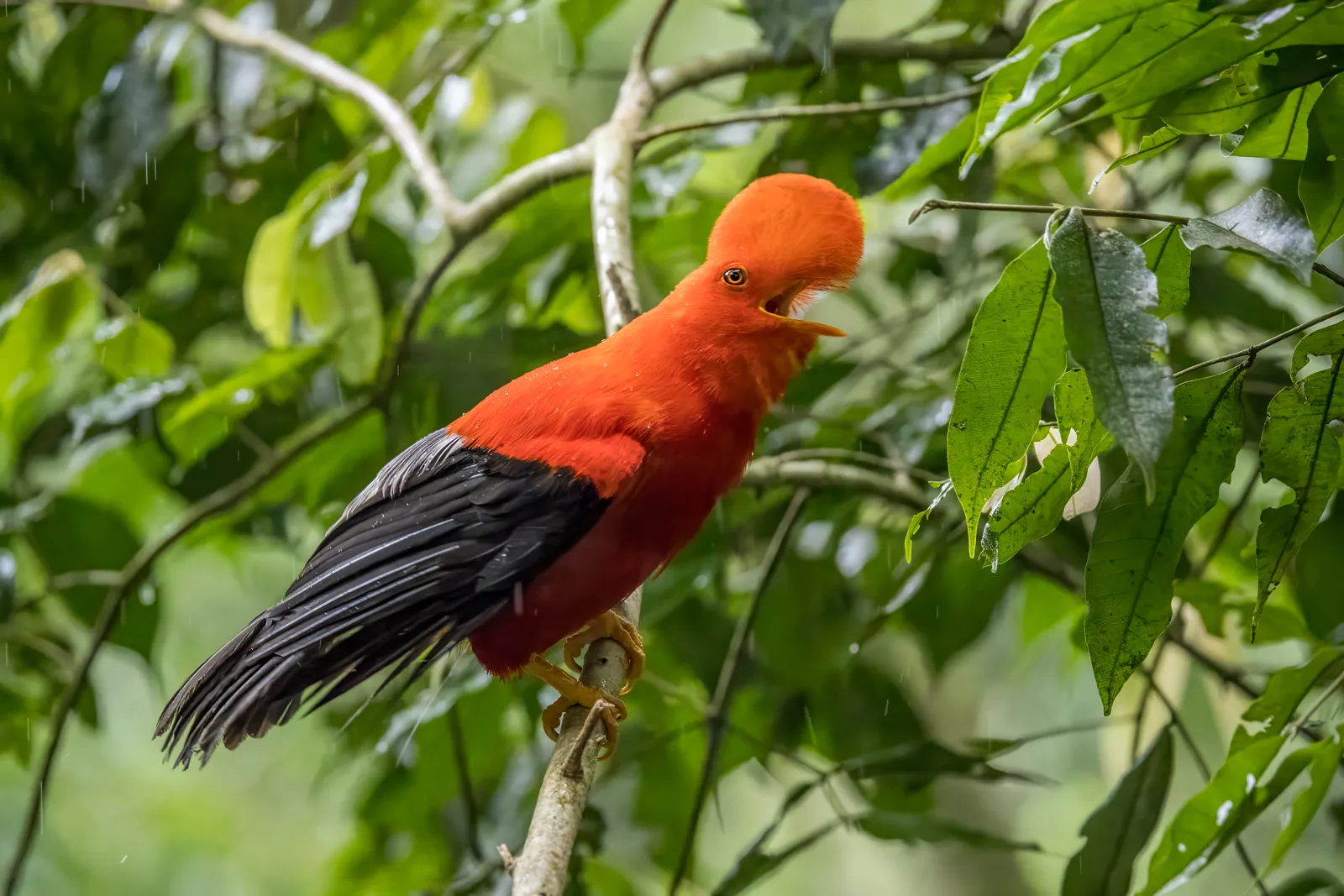
Serious birders cross continents for the Andean cock-of-the-rock, an absurd crimson bird that gathers at fixed display grounds to compete for mates. Jardín has a lek inside town limits. The Reserva Natural Jardín de Rocas is a family-run reserve about 500 meters from the plaza, under ten minutes on foot, where the males come in to display on a wooded slope behind a local family's house. Entry has crept from 10,000 to about 15,000 COP in reports across the last two years, cash only, and the reserve opens from 3pm to 6pm to match the evening display.
The advice from a November 2025 birding account is specific and worth copying: arrive at 3pm when the viewing decks are empty, because more than a dozen males can be displaying at close range within the hour, with motmots and hummingbirds as the supporting cast. September to May is breeding season and the reliable window. For less than the price of a plaza coffee and cake, this is the best value in town, and it slots into the exact hours when the cable cars have clouded over.
Coffee tours worth the jeep ride
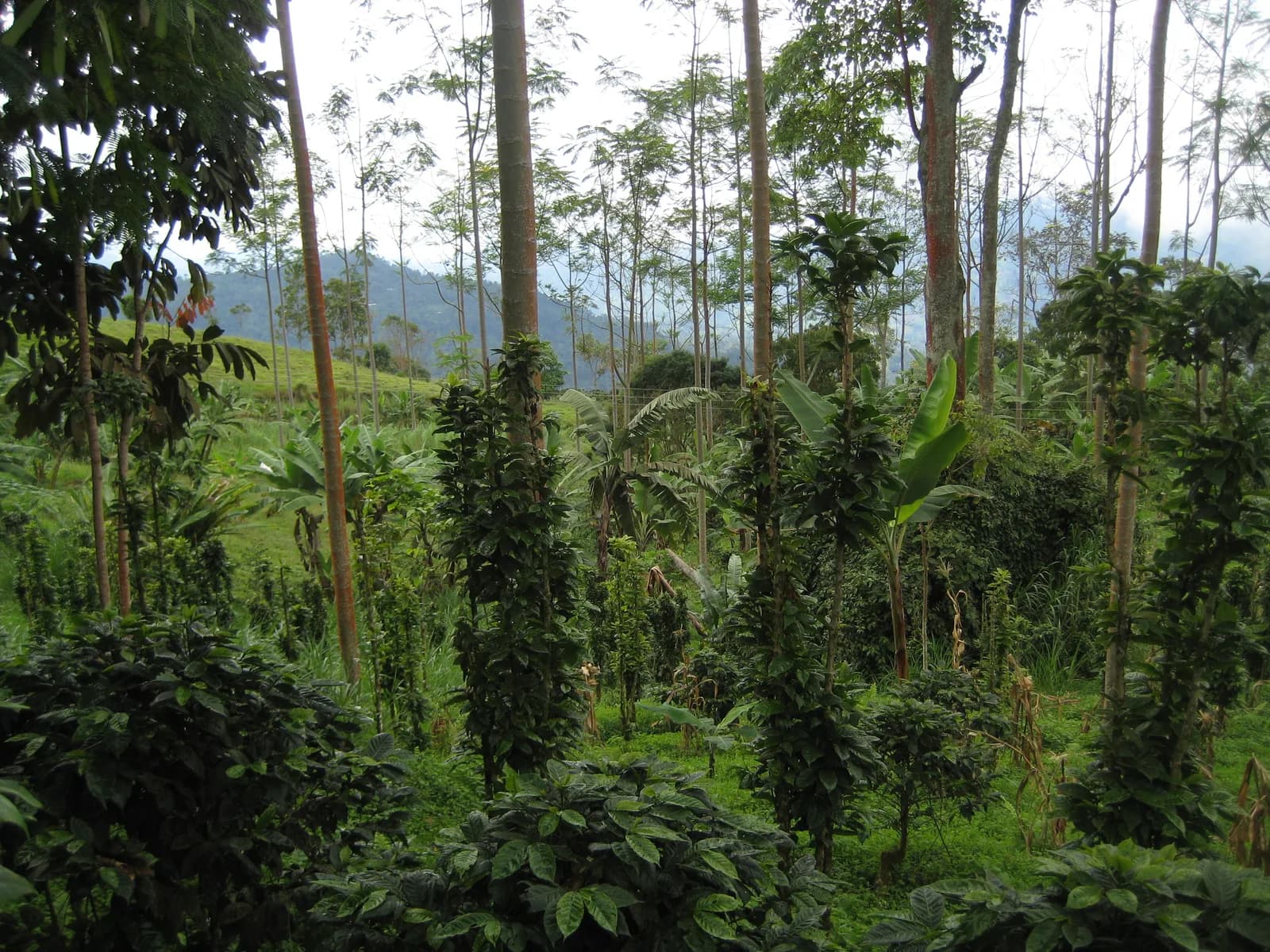
Jardín's quiet advantage over the famous coffee towns is group size. Where Salento's flagship farm runs traditional tours at up to 30 people, a fact I broke down in things to do in Salento, Jardín's farms cap small. Finca Mariposa's coffee-and-jeep tour takes a maximum of eight, starts with a 1954 Willys jeep climbing out of town, hands you a picking basket among six thousand trees, and walks the full chain from cherry to cup in about three hours for around US$51; its 2025 and 2026 reviews praise the English-speaking guiding almost as much as the coffee. Finca Milena runs its well-reviewed tour at about 50,000 COP and folds it into the price if you sleep at the farm's guesthouse. In town, Café Historias runs a tour at about 60,000 COP per a May 2026 report, for anyone who wants the story without the jeep.
The honest comparison: if your route includes both towns, do the farm tour here. Prices are lower, groups are a third the size, and the farms still feel like farms rather than visitor centers. The full head-to-head between the coffee towns lives in my Salento vs Filandia comparison, but on the specific question of standing in the rows with a basket, recent reports give Jardín the edge.
Eat the plaza
Food is the reason I keep circling this town from a distance, and Jardín's food scene has an unusual structure: the plaza is the restaurant. The ritual is to claim a painted wooden chair on the cobbles, order one coffee, and hold the seat while the town moves past. It is the slowest form of eating out I know of in Colombia, closer in spirit to a Japanese kissaten than to a café strip, and the two best seats in recent accounts are the balcony at De Los Andes Café, which looks straight across at the basilica, and Café Macanas on the south side, a dulcería whose arequipe comes in flavors like coconut and fig.
The sweet bench runs deep for a town this size. Pastelería Dulces del Jardín, founded by Mariela Arango in 1995 on Calle 13, is the name recent reports repeat most, for alfajores and tres leches in particular, and the sensible strategy is dessert twice a day with a light dinner between. The savory anchor is trucha, rainbow trout farmed in the cold streams above town, done a la plancha over a patacón. Restaurante Gloria serves the honest budget version as part of a menú del día; the better version by most recent accounts is out at the trout farms themselves, Estadero El Arka being the closest, where the fish is eaten meters from the water that raised it. Café Europa's wood-fired oven covers the inevitable pizza night, and vegetarians get real options at Consulado Vegetal and Destino Silvestre, both named in reports from the past year. It is a small scene next to Medellín's, and my Medellín food guide covers that side of the trip, but no Medellín table puts the whole town in front of you the way a plaza chair here does.
How many days does Jardín deserve?
The recent consensus is unambiguous: two nights minimum, three to do it properly, and the recurring story is people who stayed longer. One full day covers the two cable cars, the plaza and the bird reserve, which stack neatly because they occupy different hours. A second day takes the cave or a coffee farm. A third fits paragliding, the farm you skipped, or nothing at all, which is arguably the correct use of it in a town whose main event is sitting still well.
The day-trip question comes up constantly and the arithmetic answers it. Three to four hours each way from Medellín leaves a short cloudy-afternoon window in a town whose best hours are 7am and 7pm. Day tours from Medellín exist and are the right call only when the calendar truly forces it; otherwise the two-night version costs one hotel night more and roughly triples the experience. A May 2026 guide from a couple who came for two nights and stayed two weeks is the cautionary tale in the other direction.
Where to sleep between all this, in brief
Three places to book in Jardin
 The benchmark
Casa Passiflora Hotel Boutique
Nine rooms that recent guests keep calling the best stay of their Colombia trip, at roughly US$110-175. Close enough to walk to everything in this post; small enough to book out weeks ahead.
Check availability Best value
Volarte Hotel
A 9.7 Booking score at hostal prices, a guest kitchen, and a host nearly every review names. The budget base for doing the full activity list without watching the wallet.
Check availability For the birdsong
Gulupa Ecolodge
The hillside option with the view over the red roofs, scoring 9.7 across hundreds of reviews. Puts the cable-car country at your door and the plaza a moto-taxi away.
Check availabilityThe short version of a decision I cover properly in the Jardín stay guide: base in the blocks just off the plaza on a first visit, because every activity above starts within a short walk and the two-minute buffer from the square buys quiet weekend nights without costing a single café. Take the edge of town if silence matters more than a balcony over the action; the walk in stays flat and short. Go up to the hills and fincas for the view and the birds, accepting that dinner now requires a plan and the paths home are unlit. Inventory is small everywhere, the boutique tier is maybe a dozen properties, and the UN listing is pulling more weekenders every month, so this is a book-ahead town, especially Friday to Sunday.
Getting there and when to go
One route, one operator. Rápido Ochoa runs the direct buses from Medellín's Terminal del Sur, roughly nine departures a day from 4:45am, three to four hours depending on traffic, with recent reports quoting fares between about 38,000 and 50,000 COP. Book the outbound a day or two ahead, buy the return when you arrive, and treat Sunday evening services back to the city as the first to sell out. Medellín's international airport is the entry point for the region, and it is worth comparing fares into Medellín across dates since domestic legs swing widely. A night or two in the city on either side is the natural shape of the trip; my things to do in Medellín and where to stay in Medellín guides cover that leg.
On timing, stack the calendars. December to February is the driest stretch, September to May is the cock-of-the-rock season, so the overlap is the sweet spot, with the caveat that the dry months are also Colombian holiday season and the small hotel inventory feels it. The weekday-versus-weekend choice matters as much as the month: go midweek for the town at its own pace, or lean into a Saturday knowing the plaza will be singing past midnight.
Recommendations
- Ride the garrucha your first morning and walk back down through the farms; the view is the town's table of contents.
- Book the guided Cueva del Esplendor trip rather than gambling a 3 km walk against the 40-person daily cap, and take the earliest departure to beat the tour crush.
- Be at Jardín de Rocas when it opens at 3pm; the decks fill and the males display best in the first hour.
- Do your coffee tour in Jardín rather than saving it for Salento; eight people in the rows beats thirty in a visitor center.
- Fly the parapente early in the trip so a cloudy day has room to reschedule you.
- Claim a plaza chair at De Los Andes or Macanas for a full hour at least once; it is the town's main event, not a rest stop.
- Eat trucha at El Arka rather than defaulting to a plaza restaurant, and save space for Dulces del Jardín twice.
- Carry small notes: the garrucha, the farmhouse gate, the bird reserve and the fruit stands are a cash economy.
- Buy the return bus leg the day you arrive; Sunday evenings to Medellín fill first.
- Span a weekend only on purpose, and if you do, sleep a block or two off the plaza.
Laid end to end, Jardín holds two to three days without a single filler activity: cables, cave, birds, coffee, one flight, and a square that rewards sitting still. That balance, big mornings and slow evenings, is exactly the kind of travel this site keeps arguing for, and it is why the town has been creeping up my own list since the reports started piling up. I haven't been yet; this is the synthesis of the travelers who have, and if you have been more recently and a price or a schedule has moved, tell me and I will update it. When you get to the booking half of the decision, the Jardín stay guide finishes the job.
Frequently asked
What are the best things to do in Jardín, Colombia?
Six things fill the days: the garrucha and Cristo Rey cable cars up out of the valley, the Cueva del Esplendor waterfall cave, the cock-of-the-rock reserve at Jardín de Rocas, a small-group coffee farm tour, a tandem paragliding flight over the valley, and the plaza café ritual itself, which recent travelers consistently call the best thing in town. Everything except the cave and the coffee farms sits within a short walk of the square.
How many days do you need in Jardín?
Two nights covers the essentials: cable cars, the plaza and the bird reserve on one day, the cave or a coffee farm on the next. Three nights is the comfortable version and adds paragliding or a second farm. Travelers who planned two nights and stayed a week are a recurring theme in recent reports, so leave slack if the itinerary allows it.
How much does the Cueva del Esplendor cost in 2026?
Guided half-day trips from town run about 80,000 COP (roughly US$20) including the jeep, a local guide, snacks and the entrance fee. Going independently, entry at the farmhouse is 20,000 COP per person plus a walk of about 3 km from the gate. A daily cap of 40 visitors has applied since 2017, which is one more argument for booking the guided slot rather than gambling on a walk-up.
Is Jardín, Colombia safe?
Recent traveler accounts, including solo travelers, consistently describe Jardín as one of the safest-feeling towns on the Colombian circuit: small, busy with local families, and walkable at night around the center. The standard cautions are the unlit paths back to hillside lodges after dark and the usual small-town advice of carrying modest cash. Nothing in recent reports suggests the security concerns that apply in big-city neighborhoods.
Can you visit Jardín as a day trip from Medellín?
Tours exist, but the arithmetic is poor: three to four hours on the bus each way leaves a short afternoon in a town whose best hours are early morning and evening. The consistent recommendation in recent reports is a minimum of two nights. If a day trip is truly the only option, a guided tour beats doing the bus schedule solo, but it sees the plaza, not the place.
How much does paragliding in Jardín cost?
About 110,000 COP for a tandem flight as of early 2026, with GoPro footage offered for around 20,000 COP extra. La Tienda del Parapente, operating since 2013, is the established local outfit, flying daily from a launch point about 5 km above town when conditions allow. Flights run around ten minutes over the whole green bowl of the valley.
When is the best time to visit Jardín?
December to February is the driest window, and September to May is the cock-of-the-rock breeding season when the lek at Jardín de Rocas is most active, so the December-to-February overlap is the sweet spot. Weekday versus weekend matters as much as the season: Saturdays bring crowds and music on the plaza past midnight, Tuesdays give you the town at its own pace.